
Key takeaways
- Insomniac designed Wolverine's self-healing suit as a practical solution to prevent the character from degrading to tatters during combat missions.
- The choice prioritizes gameplay experience and character presentation over lore consistency, with no elaborate in-universe explanation needed.
- The studio invested heavily in temporary damage systems, including advanced blood particle physics that respond dynamically to water and environmental surfaces.
- Wolverine's suit still shows battle damage during individual encounters, but restoration happens at natural story transitions between major mission sequences.
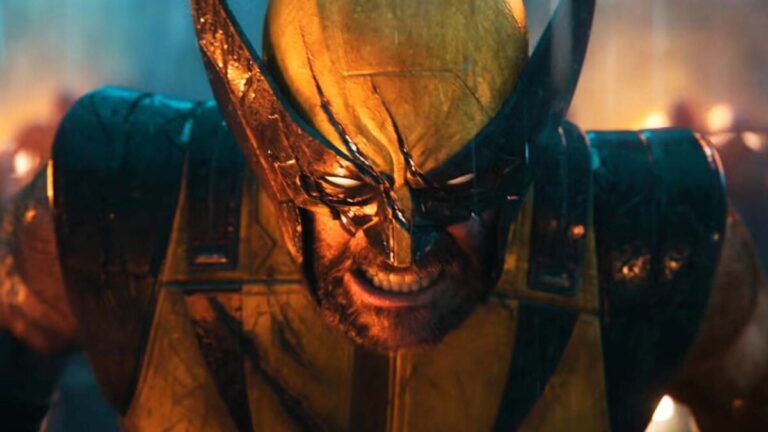
During a June Sony State of Play presentation, Insomniac Games offered the first substantial gameplay footage from its upcoming PS5 exclusive Marvel’s Wolverine. The extended demo showcased the brutal combat system the game centers around, complete with Wolverine’s iconic claws tearing through the bodies and skulls of his enemies with visceral detail. Those watching closely noticed something unusual amid the carnage: while Wolverine’s body heals from injuries sustained during combat, his clothing appears to repair itself in the same way, remaining visibly intact despite accumulating damage from the intense battles.
The observation sparked speculation among fans about elaborate lore explanations. Perhaps his suit contained some special material tied to his mutation. Maybe Insomniac invented pseudo-scientific justification involving Adamantium or his healing factor’s range. On August 13, extensive preview coverage from multiple outlets published simultaneously revealed developer insight that took a different, refreshingly honest direction. In interviews with journalists, Insomniac’s leadership addressed the question directly, offering a practical explanation rooted entirely in game design rather than comic book mythology.
The Self-Healing Suit Problem and Solution
The mechanic stems from a fundamental design challenge. In a game where Wolverine engages in repeated, brutal combat—getting shot, stabbed, and blown up throughout missions—realistic clothing damage would accumulate to absurd levels. Without a regenerating suit, Logan would progress through the game in increasingly worse condition, eventually becoming essentially naked. That’s not the powerful superhero fantasy players expect.
Mike Fitzgerald, head of technology at Insomniac, explained the reasoning to IGN: “I think mostly there’s some practicalities to it. You can’t play through most of the game wearing just shredded rags on his body. So we find the right balance between clothing that reflects the gameplay you’re doing and this brutal combat and the realities of that, and then finding the right moments to have it restore itself so you get that right cinematic feel of Wolverine.”
Jess Reiner-Reed, senior project director, added perspective on what early development revealed about player experience. “Early on, you would be playing through missions and your clothes are shredded for way too long. You don’t feel as powerful as you’re playing through. So yeah, we definitely found that right balance was the right thing to say.”
Why Lore Didn’t Matter Here
The honesty in this explanation is notable. Insomniac didn’t invent elaborate comic book justifications for why Wolverine’s suit works like his healing factor. No pseudo-scientific explanation about sentient fabric or Adamantium-laced material connected to his mutation. The developers recognized that gameplay experience and character presentation trump lore consistency in this case.
This approach stands in contrast to how video games often handle similar situations. Many titles construct intricate in-universe reasons for mechanical conveniences, adding layers of exposition to justify design decisions. Marvel’s Wolverine takes the opposite path. The suit heals because the game needs it to function properly and feel right to players.
The decision reflects a clear priority order: players should feel powerful and in control while playing as Wolverine, not distracted by increasingly absurd wardrobe degradation. A character running around in progressively worse tatters doesn’t convey the control and dominance that combat in this game aims to deliver throughout its runtime.
Significant Investment in Temporary Damage Systems
Despite choosing not to make clothing damage permanent, Insomniac invested substantial resources into the visual feedback systems that communicate destruction during combat. The team didn’t simply decide “clothes will fix themselves” and move on to other priorities. Instead, they engineered comprehensive damage visualization that still appears throughout gameplay, making each violent encounter feel impactful and documented.
Fitzgerald detailed the scope of this technical work: “We invested a lot in how damage is reflected on him in his suit, on enemies and their suits. And then as you attack them, the blood sprays coming off them are some really interesting fluid tech. So it’s not just pre-baked visual effects. These are actual blood particles coming out. They hit the ground and make the exact splatter mark they would make if they land on Logan. They leave blood there. If he walks through water, it washes off and leaves blood swirls in the water.”
Advanced Particle Systems and Fluid Simulation
The blood particle system represents particularly sophisticated technical achievement. Rather than relying on pre-rendered animations or simple sprite-based effects, the engine simulates blood as dynamic particles that behave according to physics. This means:
- Blood particles travel realistically through space during combat encounters
- Each particle creates impact splatter marks matching its velocity and trajectory when landing
- Blood persists on ground surfaces, remaining visible within environments
- Water interacts with blood dynamically, creating visible swirls and dispersal patterns
- The system responds to Logan’s movement through these contaminated spaces
This level of environmental detail means the game world reacts dynamically to violence while maintaining visual continuity on Wolverine’s personal appearance throughout encounters.
Temporary Damage During Missions
The clothing system still shows battle damage during individual encounters. Players see Wolverine’s suit visibly torn and damaged as missions progress, with damage accumulating through fierce combat sequences. The restoration mechanic ensures this damage doesn’t carry forward permanently between major story beats. Instead, restoration occurs at natural narrative stopping points—after completing significant combat encounters or transitioning between mission phases.
This design means Wolverine looks battle-worn and visceral during intense fighting while maintaining the powerful aesthetic presentation between major sequences.
Release Window and Platform
Marvel’s Wolverine launches exclusively on PlayStation 5 in September. The game represents Insomniac’s first solo character title following their Spider-Man franchise achievements. By focusing on one protagonist rather than a broader cast, the developer dedicates resources to specialized systems—like the fluid technology for blood simulation—that make individual combat encounters feel unique and impactful.
The September release positions the title as a major exclusive for Sony’s platform during the transition into the fall gaming season, when player attention typically shifts toward major new releases.
Combat Feedback and Player Agency
This design choice carries specific consequences for gameplay feel and feedback systems. Combat remains visually brutal and consequential—enemies and Wolverine himself accumulate visible scars from battle. Players clearly see the results of their violence reflected throughout the environment and on character models. The restoration mechanic simply prevents gameplay from becoming absurd, where the protagonist might enter crucial story moments looking like he’d survived a literal explosion.
The balance Insomniac struck respects both player agency in choosing violent approaches and visual storytelling through environmental destruction. Damage systems communicate the intensity and brutality of combat encounters without requiring awkward wardrobe transitions or sacrificing character presentation. The solution prioritizes what actually matters for player experience over strict simulation accuracy.
Frequently Asked Questions
Why does Marvel's Wolverine's suit heal itself?
Insomniac designed the mechanic for practical gameplay reasons. Without suit healing, Wolverine would run around in increasingly worse clothing throughout missions, which undermines the powerful superhero fantasy and makes players feel less dominant during combat.
When does Wolverine's suit actually repair itself?
The suit takes damage during individual combat encounters but restoration happens at natural stopping points between major story beats. This keeps Wolverine looking battle-worn during intense fights while maintaining a powerful appearance between mission sequences.
What damage systems did Insomniac implement if suit damage isn't permanent?
The studio invested in advanced temporary damage visualization, including blood particle physics. Blood particles create impact splatter marks, persist on surfaces, and wash away realistically when Wolverine moves through water or other environments.
