
Key takeaways
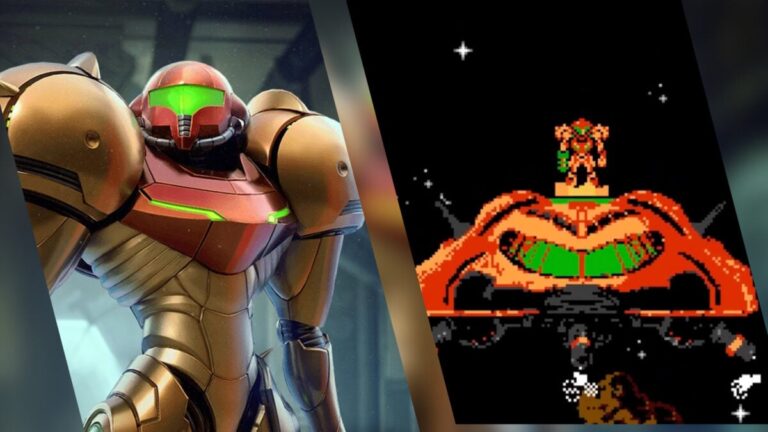
- Lv. 4 Games released Metroid Prime Origins, a three-year 2D side-scroller remake of the 2002 GameCube Metroid Prime with NES-style graphics to commemorate the franchise's 40th anniversary.
- Nintendo ignored Metroid's milestone entirely, making no official announcement, offering no promotional sales, and posting nothing on its website or X social media account.
- The fan project faces significant legal risk from Nintendo's aggressive IP enforcement; the game's YouTube trailer was removed and one developer noted they're now "a target of the Nintendo ninjas."
- Metroid Prime Origins arrived amid community disappointment with Metroid Prime 4: Beyond, which received positive reviews but felt flat compared to earlier Prime entries after nearly a decade in development limbo.
The year 2026 brought with it a significant milestone for one of gaming’s most enduring franchises: Metroid reached its 40th anniversary. This achievement represented four decades of cultural impact, technological evolution, and devoted fandom. Yet as the calendar turned to mark this occasion, Nintendo’s response proved notably absent. No celebratory announcement graced the company’s official website. The X social media account remained silent on the matter. No birthday wishes accompanied the milestone for Samus Aran, gaming’s most famous intergalactic bounty hunter. Even promotional opportunities went unexploited—no special sales on Metroid Prime 4: Beyond, no discounts on Metroid Dread, no bundles celebrating the franchise’s legacy. The oversight created a cultural moment that demanded response.
A Fan Project Fills The Void
In the face of Nintendo’s silence, a passionate group of fan creators resolved to commemorate the anniversary themselves. Their answer took the form of Metroid Prime Origins, an imaginative 2D demake that reimagines the 2002 GameCube classic Metroid Prime as a side-scrolling platformer rendered in pixelated retro graphics reminiscent of the original NES Metroid. Rather than attempting a faithful recreation of Prime’s first-person mechanics and modern visuals, Origins takes a bold creative leap by translating the game’s essence into an entirely different dimensional and aesthetic framework. The transformation demonstrates how a single concept can take radically different forms while maintaining its core identity.
The Development Journey
The Metroid Prime Origins project emerged from Lv. 4 Games, a small independent studio that has built a reputation for ambitious fan game projects. The team previously created Castlevania ReVamped, another fan reimagining that proved their capacity to engage with beloved gaming franchises through original creative prisms. According to statements posted on Reddit by the development team, Metroid Prime Origins required three full years of dedicated development work. This extended timeline reflected genuine commitment rather than a quick cash-in or exploitative homage.
Commitment to Human Creativity
Throughout the project’s duration, the creators adhered to a strict ethical framework: no generative artificial intelligence played any role in the creation process. Every visual asset, every line of code, every design decision originated from human creativity and human effort. This commitment distinguished the project in an era when AI-generated content increasingly permeates the gaming industry.
Legal Risks and IP Enforcement
The promotional strategy for Metroid Prime Origins included a professionally produced trailer intended to build excitement and awareness among the gaming community. This trailer made its way to YouTube, where it reached potential players before vanishing. YouTube removed the promotional video, citing vague terms of service violations without elaborating on specific infractions. The removal suggested that intellectual property concerns had triggered automated or manual enforcement mechanisms.
Operating in Legal Gray Areas
Though Lv. 4 Games had not received formal cease-and-desist letters from Nintendo at the time of their Reddit disclosure, the team possessed no illusions about their legal vulnerability. One developer captured the tension with sardonic honesty: “I know I am now a target of the Nintendo ninjas.” This sentiment reflected decades of Nintendo’s well-established patterns in defending its intellectual property. The Japanese gaming giant maintains a reputation throughout the industry for swift, aggressive action against unauthorized projects utilizing its properties. Fan games, ROM hacks, emulators, and unauthorized remakes have all faced Nintendo’s legal attention over the years.
Calculated Risks
For the creators of Metroid Prime Origins, proceeding with the project meant accepting substantial risk. They operated in legal gray areas where Nintendo’s enforcement discretion could shift at any moment. The YouTube removal indicated that some enforcement mechanisms were already activating, even absent formal legal action. The developers moved forward regardless, prioritizing their passion for the franchise above potential consequences.

Prime 4: Beyond and Community Disappointment
The contextual timing of Metroid Prime Origins carried particular significance within the broader Metroid community. Metroid Prime 4: Beyond finally released after spending nearly a decade caught in development limbo. The game’s path to market proved troubled, including at least one complete restart of the development process under new leadership. When Prime 4: Beyond ultimately arrived, it achieved generally positive critical reception. Yet many dedicated fans experienced a sense of disappointment rather than triumph. The game felt flat compared to the technical achievement and creative ambition of earlier Prime entries. In this environment of tempered enthusiasm, a fan-created project born from genuine passion for Metroid’s 40-year legacy carried amplified meaning.
Corporate Silence and Missed Opportunities
Nintendo’s decision to pass on commemorating its own franchise’s 40th anniversary raised questions about the publisher’s priorities and perception of risk. Major game publishers typically mobilize their marketing apparatus around significant milestones, leveraging them for sales boosts and goodwill generation. A 40-year anniversary represents a rare achievement, particularly in an industry where most franchises have long since faded from relevance. For Metroid, which maintains a dedicated worldwide fanbase and continues generating software sales, the silence appeared particularly anomalous and difficult to justify from a business perspective. The company did not attempt sales promotions, community engagement initiatives, or special content releases tied to the occasion.
When Community Becomes Custodian
The emergence of Metroid Prime Origins ultimately illuminated the space between corporate legal control and genuine fan engagement with gaming history. While Nintendo possessed indisputable legal authority over Metroid and could prevent the fan project’s existence through legal action, the company’s own inaction created an opening. The demake represented not defiant rebellion against Nintendo, but rather an expression of appreciation for something Nintendo itself seemed unwilling to celebrate. Whether Nintendo would ultimately pursue legal action against the project remained unknown, but the existence of Metroid Prime Origins had already secured its place as a documentation of this moment: when official channels failed, the community itself became the keeper of gaming history.
Frequently Asked Questions
Who created Metroid Prime Origins?
Lv. 4 Games, a small independent studio that previously developed the Castlevania ReVamped fan project.
How long did Metroid Prime Origins take to develop?
Three full years of dedicated development work, with no generative AI used in its creation.
What happened to the Metroid Prime Origins promotional trailer?
YouTube removed it citing unspecified terms of service violations, though the developers had not received a formal cease-and-desist from Nintendo at that time.
