
Key takeaways
- Thousands lined up worldwide for The Legend of Zelda: Ocarina of Time's midnight launch despite digital versions being available immediately through the eShop.
- Physical game retail is being phased out as major platforms shift to digital—PlayStation ends physical support by 2028, and Grand Theft Auto 6 ships with only a code in November.
- Midnight launches matter to gaming culture because they provide rare moments when dispersed communities gather in physical space around shared passion.
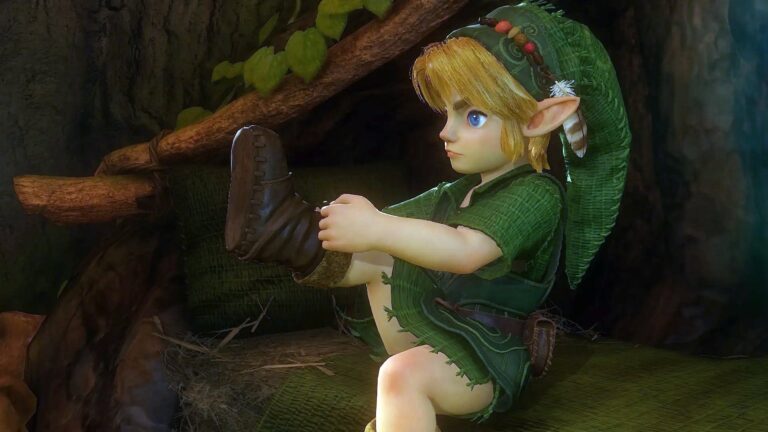
- The Ocarina of Time remake adjusts difficulty from the original while preserving its legacy, and early assessments describe the Switch 2 version as beautiful and a masterpiece.
The Legend of Zelda: Ocarina of Time’s midnight launch drew large crowds worldwide, contradicting the industry’s shift toward digital-only distribution. Videos and photographs from the evening showed lines at Nintendo’s Manhattan store, Best Buy in Bellevue Washington, GameStop locations, and Argos on London’s Tottenham Court Road. Many waited specifically for the Zelda-themed Switch 2 console, though purchasing the game through Nintendo’s eShop required only an internet connection. At one location, attendees set up a GameCube and television outside the store and ordered pizza for the waiting crowd—a moment that captured what makes these events matter beyond the transaction itself.
The midnight launch phenomenon feels increasingly rare as the industry eliminates physical retail. Sony is discontinuing physical game sales on PlayStation platforms by 2028. Grand Theft Auto 6, releasing November 19, will ship with only a code in the box. Yet despite this trajectory, thousands chose to line up rather than download immediately, suggesting something about these gatherings still resonates with gaming culture.
Why Consumers Chose Lines Over Downloads
Community Beyond Convenience
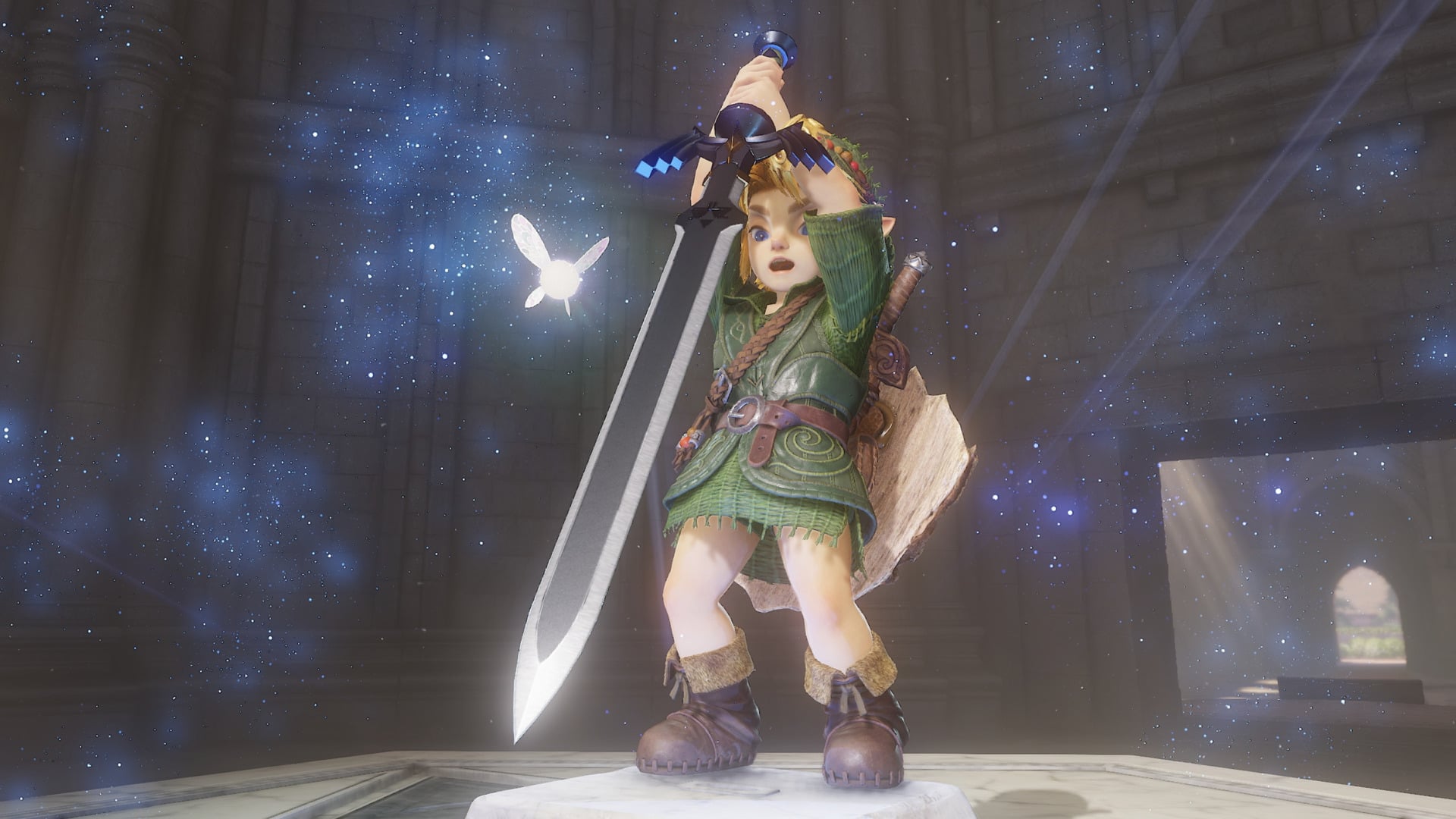
Midnight launches function as cultural events, not just purchase opportunities. Players gathered to experience a shared moment around a game that shaped multiple generations of expectations since its original 1998 release. The Zelda franchise carries weight that justifies the wait—Ocarina of Time defined how adventure games structure narrative and world-building for decades of developers who followed. A remake arriving alongside new hardware created the kind of convergence that justifies standing outside a store for hours.
Hardware Bundling Creates Real Incentive
The Zelda-themed Switch 2 console gave attendees a concrete reason to visit retail that digital customers could not replicate. Limited edition hardware still requires physical presence; someone cannot buy a specific console variant through an online store and receive it within the same day. This bundling strategy reminded retailers and consumers alike that physical locations occasionally offer something digital distribution cannot provide.
The Broader Context of Physical Media’s Decline
PlayStation’s 2028 Deadline
Sony’s decision to end physical game support by 2028 makes the industry’s direction unambiguous. Major publishers have spent five years incentivizing digital purchases through pricing advantages and convenience marketing. Digital distribution generates higher margins, eliminates supply chain costs, and allows companies to maintain total control over distribution. The environmental savings from stopping physical manufacturing are also real. Yet the cost is measured in moments like these midnight launches—synchronized cultural experiences that online transactions cannot replicate.
Grand Theft Auto 6 as Symbolic Turning Point
GTA 6’s November 19 launch will likely draw retail crowds, but the substance will be different. Shipping a code in a plastic box instead of a functional disc or cartridge transforms the midnight launch into ceremony—fans gathering to receive paper rather than product. The social gathering remains, but the midnight launch tradition’s core function has hollowed out. This November’s GTA 6 event could be remembered as one of the last major midnight launches where the physical retail experience retained genuine meaning.
What The Crowds Reveal About Gaming Culture
Midnight launches historically marked cultural inflection points—the first Wii’s arrival, Mass Effect 3’s release, moments when dispersed gaming communities synchronized their enthusiasm in physical space. These events created memories precisely because they were scarce occasions when strangers could recognize one another as members of the same tribe. As midnight launches fade from the calendar, gaming loses these gathering points.
The Ocarina of Time crowds’ decision to show up when digital options existed highlights what digital distribution has never replaced: the value of shared anticipation in shared space. Few attendees needed a physical copy—eShop delivery was instantaneous—but the event itself held worth. These midnight launches matter more for what they allow communities to experience together than for their function as retail transactions.
The Remake Itself and Early Reception
The Switch 2 version of Ocarina of Time has received descriptions of “beautiful” and “masterpiece” in early assessments. Development commentary focused on adjusting the original’s notorious difficulty while maintaining the game’s legacy structure. As the development team stated: “Since it became well known for its difficulty in the original game, I had the team make some adjustments in this version.” This remaking of a nearly 30-year-old game reflects the title’s cultural weight—few games shaped their genre as comprehensively.
The Uncertain Future of Midnight Launches
The Ocarina of Time midnight launches arrive as physical retail quietly disappears from gaming’s infrastructure. Each console generation sees fewer midnight launches because fewer games release physically. Within two years this acceleration will intensify. Major tentpole franchises might maintain theatrical midnight events around codes and console variations, while thousands of other games bypass retail entirely. Midnight launches will eventually become rare enough that their mere occurrence becomes noteworthy—an exceptional event rather than a routine one.
What seems certain is loss, even accounting for digital distribution’s genuine advantages. Online communities reach broader audiences than physical locations ever could. Digital publishing enables small developers to reach players impossible to access through retail. The convenience of instant download and elimination of physical storage are real benefits. Yet something disappears when purchasing becomes a transaction screen—those moments when gaming culture becomes visible to strangers passing by, when shared passion crystallizes into shared space. The generation now standing in line for Zelda may represent among the last to accumulate midnight launch memories as an ordinary part of gaming culture. The November Grand Theft Auto 6 launch will likely be one of the final occasions drawing crowds comparable to Ocarina of Time’s turnout—not because players stop caring about major releases, but because the infrastructure supporting their communal celebration will have vanished.
Source: Kotaku
Frequently Asked Questions
Why did people line up for Ocarina of Time's midnight launch when they could buy it digitally?
The midnight launch provided a community gathering and cultural ritual that digital shopping cannot replicate. These events create moments when gaming's dispersed culture becomes visible in shared physical space, even though digital convenience offers a simpler path to purchase.
What did The Legend of Zelda: Ocarina of Time's remake change from the original?
The development team made adjustments to the game's difficulty, which was known as a challenge in the original 1998 release. These modifications balance the original's legacy with accessibility for contemporary players while preserving the game's core structure.
Will midnight launches continue as a gaming tradition?
Midnight launches will likely become increasingly rare as physical media declines. While major releases like Grand Theft Auto 6 may still host midnight events, PlayStation is discontinuing physical game sales by 2028, and most publishers are shifting entirely to digital distribution.
