
Key takeaways
- Graffiti artist Jelous tagged Rockstar's GTA 6 mural in Brooklyn with a black-and-white logo, prompting widespread backlash from gaming fans and street artists alike.
- The incident exposed disagreement within graffiti culture itself: some defend tagging corporate property, while others argue for ethical standards that respect skill and effort regardless of sponsorship.
- Street artists and Reddit users criticized the tag for lacking artistic merit, arguing that tagging over someone's work requires demonstrating genuine skill or meaningful artistic contribution.
- The vandalism mirrors GTA 6's core themes of rebellion and rule-breaking, creating an ironic real-world moment that embodied the game's fictional values.
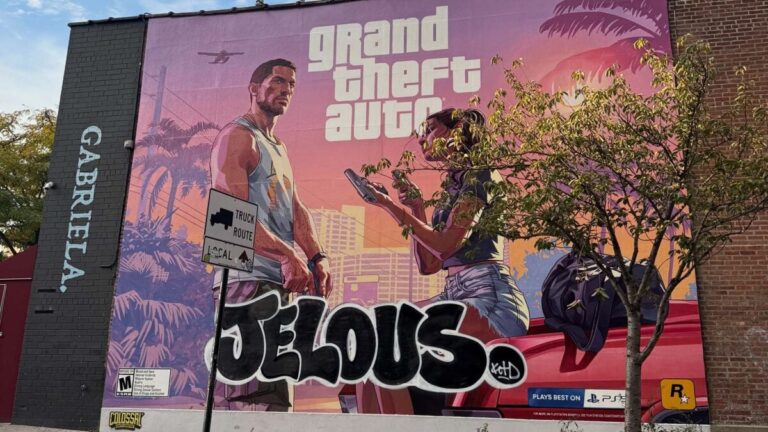
A graffiti artist operating under the name Jelous sparked sharp debate after tagging a monumental Grand Theft Auto 6 mural in Brooklyn, New York. The incident has divided both the gaming community and the broader graffiti scene, revealing tensions between corporate property rights, street art culture, and the very ethos that Grand Theft Auto 6 sells to players worldwide.
The Mural and Rockstar’s Marketing Campaign
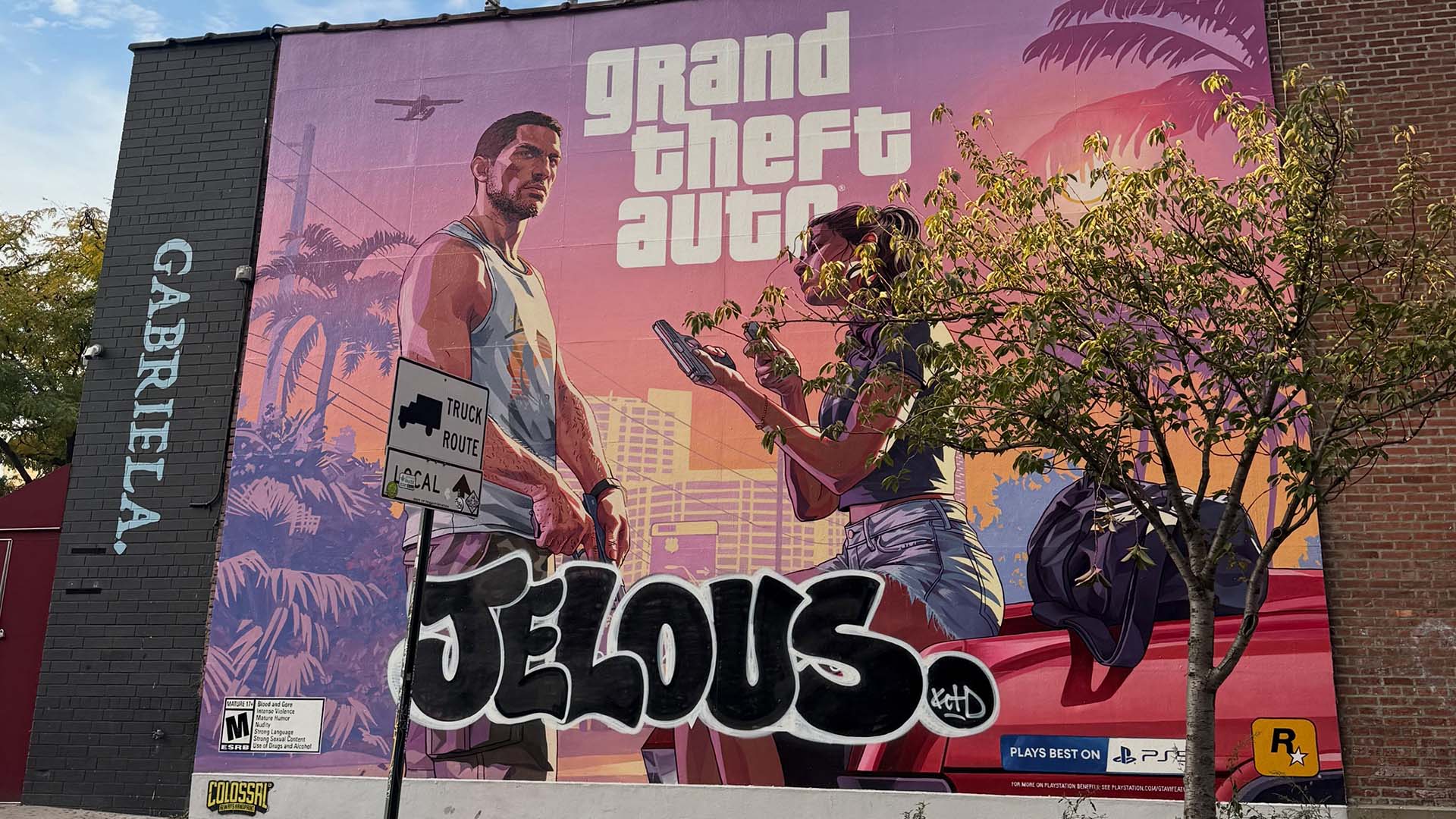
Rockstar Games commissioned artists to create a large mural in Brooklyn during early October, positioning it as a centerpiece of the company’s promotional strategy leading up to GTA 6’s release. The artwork depicts Jason and Lucia, the game’s two playable protagonists, and required approximately one week to complete. As the mural took shape, fans actively tracked its construction progress, celebrating and sharing images as the piece developed. For many in the gaming community, the finished mural symbolized a significant investment in Rockstar’s marketing push for GTA 6, generating genuine enthusiasm among the fanbase.
The Tagging and Its Aftermath
Late Tuesday night, Jelous quietly and sneakily applied a basic black-and-white logo featuring their name to the lower half of the mural. The artist then documented the act and shared images on Instagram, where the post rapidly accumulated engagement and became one of Jelous’s most popular contributions. The documented vandalism immediately triggered visible frustration from the gaming community, with fans expressing disappointment that a promotional asset they had collectively celebrated now bore the mark of unauthorized alteration.
Divided Reactions in Gaming Communities
Instagram Response
On the Instagram post where Jelous documented the tag, commenters expressed predominantly negative sentiment. Users described the mural as “ruined,” while others pronounced the action “not cool.” However, a minority of commenters offered a different framing, contending that because the mural functions as commercial advertising for a major corporation, it represents legitimate territory for street artists to alter. This argument—that corporate property exists outside the protection that graffiti culture typically extends to independent artists’ work—found its most coherent expression in subsequent online discussions.
Reddit’s Stricter Judgment
The gaming community on Reddit responded with greater hostility to news of the tagging. Many users categorized the action straightforwardly as vandalism, while others directed criticism specifically at the artistic merit of Jelous’s contribution. These commenters argued that if an artist chooses to tag over existing work, they bear an implicit responsibility to offer something more compelling in exchange. The tagging should demonstrate technique, artistic ambition, or meaningful concept. A simple name tag applied across a complex, carefully executed mural appeared to violate this understanding of artistic responsibility.
Critiques From Street Art Practitioners
A Reddit user identifying themselves as an Italian graffiti artist provided detailed commentary articulating internal ethical standards that govern street art practice. According to this perspective, graffiti culture operates within a system of unwritten rules and mutual respect, even when the culture’s defining act—unauthorized marking of surfaces—appears fundamentally disrespectful to outsiders.
The Graffiti Community’s Ethical Framework
User venzoffthewall, presenting themselves as part of the graffiti culture, acknowledged that tagging over others’ work exists within the practice’s acceptable boundaries, provided the artist contributes something of genuine value. They recognized the GTA 6 mural’s origin as corporate-sponsored commercial art rather than a traditional piece created by graffiti practitioners. Nevertheless, the commenter argued that the human effort, skill, and time invested in painting the mural deserved recognition and respect. “As an Italian graffiti artist myself, I honestly think this is pretty disrespectful, even by graffiti standards,” venzoffthewall wrote.
The broader argument positioned respect and artistic integrity as integral to graffiti culture rather than external to it. Venzoffthewall noted that expression and respect must coexist: commercial sponsorship does not automatically exempt artwork from the community’s ethical framework. The commenter emphasized that someone invested time, effort, and skill into painting the mural, and that commitment should count for something within the culture’s own standards.
The Perfect GTA Moment
Several observers noted the thematic and cultural alignment between the tagging and Grand Theft Auto 6’s foundational narrative. The core appeal of the GTA franchise rests on player fantasy—freedom to commit crimes, defy authority, and reject social norms within consequence-free digital space. By tagging a high-profile corporate mural, Jelous enacted precisely the kind of petty rebellion and risk-taking that GTA 6 packages for entertainment. The irony appeared unavoidable: Rockstar marketed the game by erecting a symbol of order and corporate messaging, only to have that symbol immediately vandalized in an act that embodied the franchise’s thematic core.
Visibility and Unintended Outcomes
Regardless of the ethical standing of Jelous’s decision, the tagging achieved a concrete and measurable result: far more people now recognize the artist’s name and work than would have discovered them through conventional channels. The incident generated substantial discussion across gaming forums, social media platforms, and Reddit communities, effectively amplifying Jelous’s visibility within both gaming and street art circles. Whether this outcome constituted the artist’s primary intention or an unanticipated bonus of the tagging remains unclear, but the net effect was undeniable increased awareness and engagement.
Source: Kotaku
Frequently Asked Questions
When was the GTA 6 mural created and what does it show?
Rockstar Games commissioned the mural in early October 2026. It took approximately one week to complete and features Jason and Lucia, the two playable protagonists of GTA 6, on a large wall in Brooklyn, New York.
Who tagged the mural and what did they do?
A graffiti artist named Jelous tagged the mural late Tuesday night by spraying a basic black-and-white logo featuring their name onto the lower half of the artwork. Jelous then documented and shared the tag on Instagram, where it became one of their most popular posts.
What do graffiti artists say about tagging over corporate murals?
According to a Reddit user identifying themselves as an Italian graffiti artist, even by graffiti standards the tagging was disrespectful. They argued that while tagging over others' work can be acceptable within the culture, doing so requires contributing something that demonstrates skill or makes a meaningful statement, not just a basic name tag.
