
Key takeaways
- Netflix has delayed The Witcher season 5 to 2027 from its original 2026 release window, with no official explanation or confirmed reshoots.
- Henry Cavill's departure in 2022 and replacement by Liam Hemsworth coincided with creative shifts from source material that drew audience criticism.
- The show now competes directly with successful gaming adaptations like Amazon's Fallout and HBO's The Last of Us on rival platforms.
- Despite fan backlash over cast and narrative changes, season 4 viewership did not decline significantly, reducing urgency for Netflix to expedite the finale.
Netflix has pushed back the fifth and final season of The Witcher into 2027, moving the conclusion further away from its originally announced 2026 window. The delay extends what has become an increasingly complicated production timeline for the streamer’s adaptation of Andrzej Sapkowski’s fantasy novels, a series that has struggled to maintain momentum since the franchise’s most visible crisis point: the departure of its lead actor.
A Timeline of Delays and Departures
The live-action Witcher saga launched on Netflix in 2019, presenting viewers with Henry Cavill’s interpretation of monster hunter Geralt of Rivia. Cavill’s casting drew considerable enthusiasm from fans familiar with CD Projekt’s acclaimed video game adaptations, which themselves had cemented the character in gaming culture. For three seasons, Cavill anchored the show before his unexpected exit in late 2022, creating immediate uncertainty about the franchise’s direction.
According to tracking data from What’s on Netflix, the fifth season has been confirmed delayed to 2027—a departure from Netflix’s own earlier confirmation of a 2026 release. The shift removed promotional materials from Netflix’s platforms, signaling an internal reshuffle rather than a public announcement. While Netflix has remained largely quiet about the series compared to its launch period, the delay represents a significant gap in scheduling, particularly for a show positioned as a flagship title.
From Cavill to Hemsworth
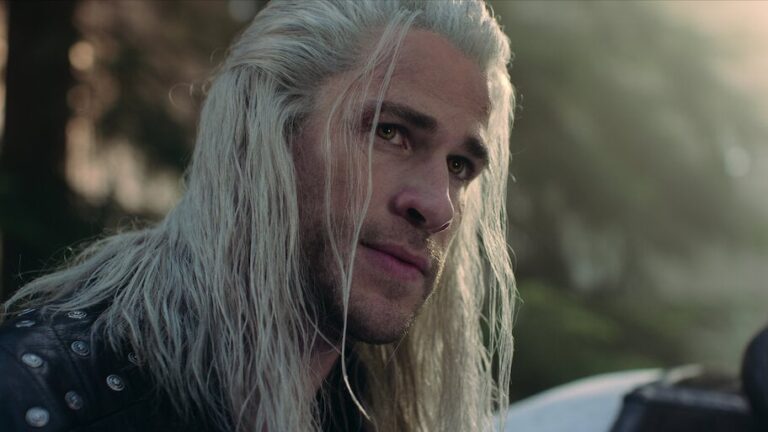
Henry Cavill’s replacement by The Hunger Games actor Liam Hemsworth marked a turning point for the adaptation. Cavill had publicly stated his commitment to seven seasons that would “honor Sapkowski’s work,” signaling his vision for a longer trajectory faithful to source material. When The Hollywood Reporter asked about his departure, Cavill alluded to creative differences, implying disagreements over how the narrative would evolve.
Hemsworth’s debut in season four, released in 2025, arrived alongside noticeable departures from the books. Showrunner Lauren Schmidt Hissrich had described seasons four and five as “companion pieces” filmed back-to-back, suggesting a unified creative vision. However, the shift in lead actor coincided with visible changes in storytelling direction—alterations that did not go unnoticed by the fanbase.
Production Realities and Scheduling Questions
The official delay carries no reported reshoots, eliminating one obvious explanation for the extended timeline. Industry observers have speculated that the additional months stem from post-production demands, particularly the creation of creature effects and visual effects for fantasy sequences—a time-intensive process for a show of this scale. Alternatively, Netflix’s well-documented tendency to shuffle its release schedule across multiple shows may have positioned The Witcher lower on the priority list.
Workflow and Companion Seasons
Hissrich’s confirmation that seasons four and five were produced simultaneously under a “companion pieces” framework suggested they were designed as interconnected chunks rather than standalone entries. This approach should theoretically streamline distribution once post-production wraps. Yet the delay suggests either complications in that process or editorial decisions requiring additional refinement before launch.
Audience Reception Without Major Changes
Despite vocal fan displeasure with Hemsworth’s inaugural season and the creative shifts accompanying the cast change, viewership metrics did not crater. This durability may have reduced urgency for Netflix to rush the finale into markets, allowing the streamer to space releases according to its broader content calendar rather than audience demand.
The Competitive Landscape Has Shifted
The delay arrives at a moment when gaming adaptations have proliferated across streaming platforms, fundamentally altering The Witcher’s market position. When the series debuted in 2019, the intersection of prestige television and video game properties remained relatively sparse. The franchise benefited from limited competition and novelty value. That advantage has evaporated.
Amazon’s Fallout adaptation and HBO’s The Last of Us both launched to critical acclaim and substantial viewership, establishing themselves as flagship gaming-based properties on competing platforms. These shows have captured mindshare and subscriber attention in the exact demographic The Witcher courts. Meanwhile, Netflix’s broader track record with long-running original series outside flagship properties like Stranger Things has deteriorated, with the company notorious for canceling beloved shows after two seasons.
Netflix’s Pattern of Abandonment
The streamer has developed a reputation for deprioritizing programs that fail to generate immediate metric spikes in their opening windows. Many acclaimed series have concluded prematurely because Netflix’s algorithmic focus on new subscriber acquisition supersedes retention of existing audiences. The Witcher, now eight seasons deep across its narrative arc, occupies an unfamiliar position: too established to abandon outright, yet increasingly vulnerable to the platform’s notorious inconsistency with legacy content.
What Lies Ahead for Geralt’s Story
The 2027 window means fans will wait another 18 months minimum from the current date to witness how Netflix resolves the central conflicts of Sapkowski’s narrative. Cavill has moved on to other projects, notably securing a role in the Warhammer 40K universe—a transition that underscores his departure as genuinely permanent rather than temporary. His comments about honoring the source material now exist as unrealized ambitions, a parallel path abandoned in favor of different creative priorities.
For Cavill, the shift represented both disappointment and opportunity. The actor has earned renewed fan appreciation through his commitment to respecting source material, positioning him favorably for future genre work. For Netflix and Hissrich, the delay signals either confidence in the final product’s quality or logistical constraints that required additional development time. The actual reason may never be publicly disclosed.
The Broader Adaptation Question
The Witcher’s trajectory reflects persistent tensions in translating beloved gaming franchises to screen. CD Projekt’s interactive version of Geralt and his world established specific expectations among millions of players. Sapkowski’s books offered a different foundation. Netflix’s interpretation attempted a middle path, ultimately satisfying neither purists nor those seeking a fully original take. The production delays, cast shifts, and creative friction may ultimately reflect the inherent difficulty of pleasing multiple audiences simultaneously.
Looking at the Numbers and Timeline
The original 2026 release would have maintained a nine-month spacing between seasons four and five. The 2027 shift extends that gap substantially, particularly concerning for a show that relies on audience engagement across multiple platforms and social discussions. Streaming audiences notoriously migrate to competing content if release momentum falters.
Whether the delay translates to measurable improvements in final product quality remains unknowable until viewers see the episodes. What is certain: the extended timeline reflects Netflix’s internal calculations about scheduling priorities, production necessities, and competitive positioning. The Witcher, once positioned as a tentpole series, now occupies more modest real estate on the platform’s release calendar—a quiet demotion disguised as a mere delay.
Frequently Asked Questions
When was The Witcher season 5 originally supposed to release?
Netflix originally confirmed a 2026 release date for season 5, but the delay moved it to 2027.
Why did Henry Cavill leave The Witcher?
Cavill cited creative differences in an interview with The Hollywood Reporter, noting his commitment to seven seasons that would 'honor Sapkowski's work,' implying disagreement over the narrative direction.
Has there been any explanation for the delay to 2027?
Netflix has not provided an official explanation. No reshoots have been confirmed, leading industry observers to speculate the delay stems from post-production work on visual effects or the streamer's broader scheduling decisions.
