
Key takeaways
- Creative differences between Gunn and Gillespie escalated after filming concluded, with the director and studio fundamentally disagreeing over the film’s direction and tone.
- The compromised final product failed to resonate with audiences or critics, resulting in a box office catastrophe that validated DC Studios’ internal fears.
- The *Supergirl* situation exemplifies the high-stakes gamble studios take when overriding directorial vision during post-production.
- The *Supergirl* collapse arrives at a critical moment for DC Studios, which positioned this film as the second major tentpole in its newly reorganized cinematic universe following *Superman*.
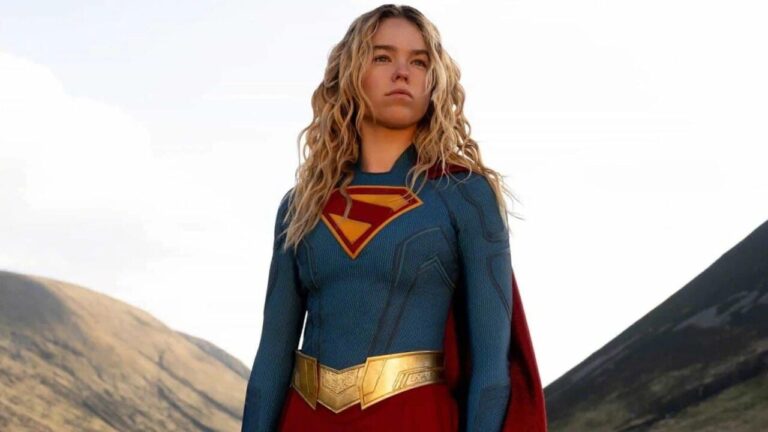
DC Studios knew the 2026 *Supergirl* film wasn’t working months before its June premiere, leading James Gunn and director Craig Gillespie to clash so severely over creative direction that the studio produced an entirely separate cut to compete against Gillespie’s version. The conflict, which began during post-production after principal photography wrapped in May 2025, resulted in a “bakeoff” between two competing edits—a studio-made cut and Gillespie’s 11-minute-longer version—with test screening scores that never escaped the 60s range.
The Studio Takeover: When Two Cuts Became One Problem
Creative differences between Gunn and Gillespie escalated after filming concluded, with the director and studio fundamentally disagreeing over the film’s direction and tone. The conflict intensified when *Supergirl* entered post-production, where the movie “never found its footing,” according to insiders familiar with the production. By fall 2025, just months after cameras stopped rolling, DC Studios recognized serious problems that would shape the final product.
DC Studios responded by constructing two distinct versions for testing: Gillespie’s cut and a studio-assembled alternative. Four test screenings pitted these versions against each other, with the studio’s cut scoring two points higher overall despite Gillespie’s version performing better in specific categories including villain execution, song choices, and pacing. The studio cut ultimately prevailed and became the theatrical release, while Gillespie was forced to personally advocate for his preferred edits during the selection process.
The Music Wars and Editorial Conflict
The creative battle extended to granular filmmaking decisions, most notably the controversial choice to deploy a cover of Jimmy Eat World’s “The Middle” during an action sequence—a needle drop that originated from Gunn himself. Cindy Lauper’s “Girls Just Want to Have Fun” also emerged as a candidate, reflecting deeper disagreements about tone and audience engagement that split the filmmaking team.
The editorial process itself became fractured, with two editors working on separate versions: Fred Raskin, Gunn’s longtime collaborator on *Peacemaker* and *Guardians of the Galaxy*, and Tatiana S. Riegel, Gillespie’s editor on *Cruella* and *I, Tonya*. This dual-editor structure mirrored the larger institutional conflict between director and studio, with each version reflecting fundamentally different creative philosophies about how the film should function as entertainment.
Box Office Collapse and Industry Reckoning
The compromised final product failed to resonate with audiences or critics, resulting in a box office catastrophe that validated DC Studios’ internal fears. *Supergirl* grossed $89.1 million worldwide against a production budget of $170 to $186 million, requiring $315 million globally to break even—a figure insiders described as “near impossible” for a DCU title. The domestic opening landed at just $38 million, less than one-third of *Superman*’s $39 million opening the previous year.
Critical and audience reception reflected the production turmoil, with Rotten Tomatoes scores settling at 56 percent from critics and a Cinemascore of B– from audiences. International markets contributed less than $30 million, signaling that the film’s problems transcended regional preferences. By the second weekend, a “blame game” erupted among fans, who criticized visual effects and fight choreography while the industry grappled with what went wrong at the studio level.
When Studios Override Directors: A Cautionary Tale
The *Supergirl* situation exemplifies the high-stakes gamble studios take when overriding directorial vision during post-production. While test screenings provide quantifiable data, the two-point margin between competing cuts proved insufficient to justify the creative compromise that resulted from choosing the studio version. The decision to release a film that neither the director fully endorsed nor test audiences enthusiastically supported created a final product caught between competing visions.
The controversy also attracted conservative political commentary, with some pundits targeting the film’s tone and ideology as the conflict escalated. This politicization of the production drama reflected broader cultural debates about superhero filmmaking and source material adaptation, though the core issue remained an internal creative breakdown between studio executives and the filmmaker behind the camera.
What’s Next for DC Studios’ Leadership
The *Supergirl* collapse arrives at a critical moment for DC Studios, which positioned this film as the second major tentpole in its newly reorganized cinematic universe following *Superman*. The severe production discord between Gunn—who holds significant creative authority at DC Studios—and Gillespie signals ongoing structural tensions about how creative decisions get made and who ultimately controls final cuts on major releases.
Industry observers will monitor whether DC Studios adjusts its post-production oversight protocols or continues allowing competing editorial visions to reach testing phases. The financial and critical failure of *Supergirl* provides a cautionary precedent for how studio interference, even when backed by test screening data, can undermine directorial intent and produce compromised final products that satisfy neither filmmakers nor audiences.
