

Key takeaways
- Physical game sales already represent a smaller percentage of gaming revenue than vinyl's share of music revenue, despite vinyl being considered a successful niche revival.
- Grand Theft Auto 6 is the first major console release to launch without any physical edition, signaling momentum toward digital-only distribution across the industry.
- PlayStation will eliminate game discs entirely by 2028, while Nintendo plans to continue physical media for Switch 2, creating divergent platform strategies.
- Take-Two generates only 2 percent of its revenue from game discs, yet is releasing GTA 6's soundtrack on vinyl as a prestige collector's item.
Physical games will eventually occupy the same niche that vinyl records hold in music: a specialty market for collectors while the mainstream moves entirely digital. That’s the prediction from Take-Two CEO Strauss Zelnick, speaking with The Game Business’ Christopher Dring about the gaming industry’s future, following Grand Theft Auto 6’s release as the first major console game to launch without any physical edition.
“Will there always be some physical business? Yes, in the same way that there’s still a vinyl business in recorded music. But it’s going to be a very small part of the business,” Zelnick said, according to Kotaku’s reporting.
Zelnick has stated this prediction before. More than a decade ago, he forecast that digital distribution would exceed 90 percent of gaming’s total business. He told Dring he “got this one right.” The latest data supports his track record. Physical game sales in the U.S. hit a 30-year low of $1.5 billion last year, representing just 2.5 percent of the $60.7 billion consumers spent on video game hardware, content, and accessories in 2025, according to Circana data reported by Kotaku.
Gaming’s Physical Market Already Smaller Than Vinyl’s
Where Music and Games Diverge
The vinyl comparison reveals something unexpected: gaming’s physical decline has already outpaced music’s. Physical music sales accounted for just over 10 percent of total music revenue in the first half of 2026, with vinyl generating roughly 80 percent of that physical revenue for $581 million, according to RIAA estimates reported by Kotaku.
Gaming’s physical market is already smaller as a percentage of total spending than vinyl’s share in music revenue. This is striking because vinyl is often cited as a success story of format revival, with sales growing year over year despite remaining a niche category. Game discs occupy a position even more marginal than vinyl, and this gap will only widen as the transition accelerates.
The 2028 Deadline
Sony has confirmed that PlayStation game discs will disappear entirely by 2028, providing a concrete deadline for the industry’s shift away from physical media. The cutoff represents a hard threshold that will reshape how major publishers approach disc support, since PlayStation remains central to the global gaming ecosystem.
Other platforms are taking different paths. Nintendo has stated it has no plans to abandon physical games during the Switch 2 era, though it has moved partway toward digital through game key cards, a halfway point between traditional media and full digital distribution. Microsoft has disclosed nothing definitive about physical media’s role in Project Helix’s next-generation console family.
The GTA 6 Reversal and Rockstar’s Role
Zelnick previously denied rumors that GTA 6 would release without a disc version, yet the game launched digitally only. When asked whether GTA 6 could receive a physical release at some point, he declined to commit. “That sort of information always comes from our labels,” he told Variety in comments cited by Kotaku, effectively placing the decision with Rockstar Games rather than Take-Two corporate leadership.
The timing carries significance. GTA 6’s all-digital release for the first time sends a signal about shifting industry norms. The largest game launch in history succeeding without physical media means smaller franchises now face pressure to abandon disc support entirely. Publishers supporting both formats face rising manufacturing and distribution costs for an ever-shrinking customer base.
The Vinyl Soundtrack Creates an Ironic Contrast
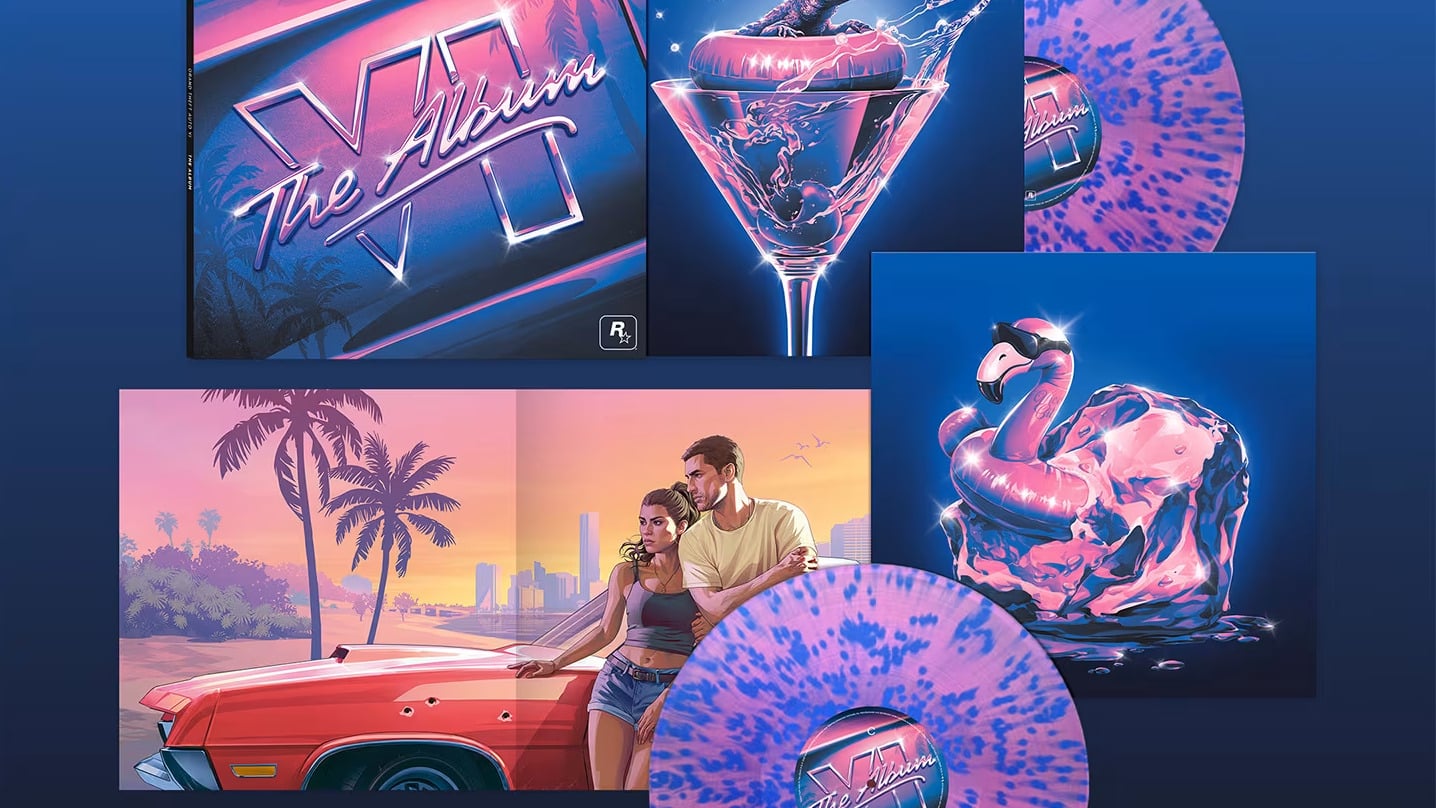
Take-Two is releasing GTA 6’s soundtrack on vinyl, a choice that appears contradictory to the game’s digital-only availability. The contrast becomes less puzzling when examining Take-Two’s actual financial reliance on physical media. According to the company’s latest financials reported by Kotaku, only 2 percent of Take-Two’s current revenue comes from game discs.
Vinyl records have established themselves as prestige items for music collectors despite representing a minimal revenue percentage for the music industry. The industry continues supporting vinyl production because it generates disproportionate cultural cachet and serves passionate enthusiasts. Gaming could follow a similar trajectory, where physical copies exist primarily for archival, collection, and fan enthusiasm rather than mainstream commercial sales. A soundtrack on vinyl carries marketing value that exceeds its profit margin.
Preservation Challenges Ahead
The Nature of the Medium Matters
One critical difference between vinyl’s survival and gaming’s future involves product durability. Vinyl records manufactured fifty years ago play identically today. Digital games exist in constant revision through patches, updates, and server-side changes. A physical GTA 6 disc would still require internet connectivity for day-one patches and ongoing content updates that alter gameplay and features, creating a fundamentally different experience from the digital version purchased today.
Libraries and preservation initiatives that archive vinyl records can maintain them in storage indefinitely with minimal degradation. Game discs in storage degrade over time and eventually lose playability without compatible hardware remaining operational. This reversal—where digital distribution proves more durable for long-term preservation than physical media—represents a fundamental shift from the CD-ROM era, when disc ownership was the only path to permanent access.
The Path Forward
Zelnick’s vinyl comparison might understate the challenges physical games face. Vinyl experienced genuine sales growth in recent years, recovering from near-extinction. Game discs lack vinyl’s technical justification; a disc-based game plays identically to the digital version, removing any functional incentive to own physical media beyond the act of collecting itself. Vinyl advocates can argue for superior sound quality or the tactile appeal of album artwork. Game collectors can only argue for ownership and preservation, factors that sustained vinyl but on a smaller scale.
PlayStation’s 2028 deadline provides a pivotal moment. Within two years, one of three major console platforms will have eliminated physical media entirely. Publishers supporting both formats will face mounting costs and complexity for a shrinking customer base. By 2030, physical games may occupy the same cultural space as vinyl records today: still sought by enthusiasts, still manufactured in small quantities, still culturally resonant, but representing a negligible percentage of an industry measured in tens of billions of dollars.
Source: Kotaku
Frequently Asked Questions
What comparison did Take-Two CEO Strauss Zelnick make about the future of physical games?
Zelnick compared physical games to vinyl records in music, saying both would become very small parts of their respective businesses while digital distribution dominates, similar to how vinyl represents a niche market in the music industry.
How much of video game spending went to physical games in 2025?
Physical game sales represented 2.5 percent of the $60.7 billion consumers spent on video game hardware, content, and accessories in 2025, hitting a 30-year low of $1.5 billion in the U.S.
When will PlayStation stop supporting game discs?
Sony has confirmed that PlayStation game discs will disappear entirely by 2028, providing a concrete deadline for the industry's transition away from physical media.
