
Key takeaways
- Gunn and Safran exited DC Studios on November 6 after a four-year tenure marked by disagreements with Skydance leadership over control and creative direction.
- Superman's $618 million box office gross was deemed insufficient by Skydance executives, who questioned its cultural impact despite financial success.
- Jeremy Latcham, a Marvel veteran, replaces them with a focus on mainstream commercial appeal over niche artistic vision.
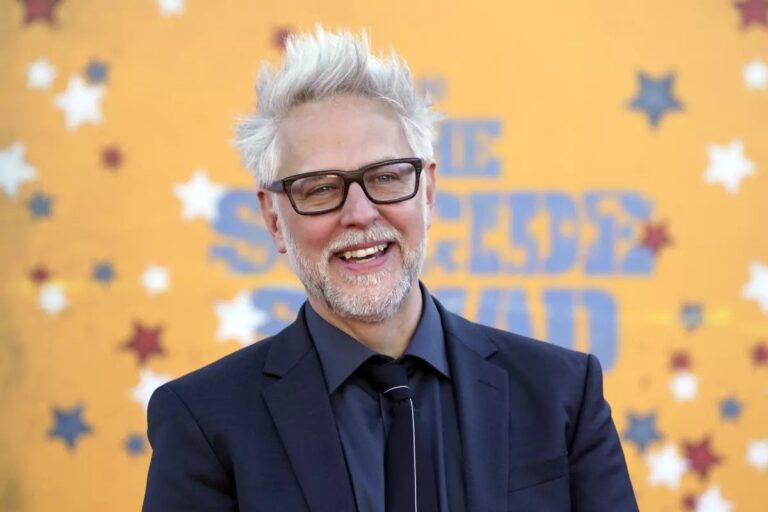
James Gunn and Peter Safran stepped down from their positions as co-presidents of DC Studios on November 6, concluding a four-year tenure overseeing just three theatrical releases in the studio’s reconceived cinematic universe. Skydance co-CEOs David Ellison and Ynon Kreiz informed the pair that despite previous assurances they would remain following the Skydance merger, those plans had changed. Jeremy Latcham, a veteran Marvel producer, has been selected as their replacement. According to The Hollywood Reporter, the decision had been in development since early fall, with Latcham approached by Skydance Motion Picture Group co-chair John Greenstein, who had worked with Latcham during his time at Marvel.
The Structural Conflict
The roots of the conflict lay in competing power structures created by the Skydance acquisition. Gunn and Safran originally reported directly to Warner Bros. CEO David Zaslav, and their contracts preserved that direct reporting structure in any leadership transition. Following the merger, they would have reported to Ellison instead. This technical detail became significant because Skydance Motion Picture Group co-chairs John Greenstein and Dana Goldberg sought to consolidate film production operations under their direct oversight. Gunn and Safran, accustomed to wielding strong control over DC Studios, resisted this consolidation.
Information Sharing as Flash Point
Beyond organizational hierarchy, immediate friction emerged over production transparency. Greenstein and Goldberg wanted detailed access to plans, footage, and creative decisions within DC Studios. Gunn and Safran reportedly moved slowly in providing this information and were evasive when pressed, maintaining autonomy that the new Skydance leadership found intolerable. The pace of information sharing became one of several operational points where the two camps clashed.
The Autonomy Factor
The dispute fundamentally concerned who controlled DC Studios’ creative and business decisions. Gunn and Safran had operated as undisputed leaders under Warner Bros. leadership. The Skydance structure threatened to subordinate their authority to Greenstein and Goldberg, a shift Gunn and Safran resisted despite contractual provisions suggesting such a change was possible.

Superman’s Success, Skydance’s Skepticism
Financial performance of DC Studios’ major releases provided the framework through which corporate concerns became actionable. Supergirl’s box office disappointment was frequently cited as evidence the studio headed in the wrong direction, with some industry observers sardonically noting that Gunn and Safran lasted barely longer than one failed film.
Yet Superman, the studio’s flagship release, generated $618 million in worldwide box office revenue against a $225 million production budget—conventionally a substantial financial success. The Skydance leadership, however, viewed the performance differently. According to sources cited by The Hollywood Reporter, the executives believed Superman “did not net out, or have the kind of pop culture impact, in the way that kind of movie should.” This framing reveals a gap between commercial returns and perceived cultural resonance. The Skydance leadership wanted momentum and cultural conversation alongside box office dollars, expecting Superman to generate the kind of broad cultural footprint that superhero films at this scale typically produce. Superman’s commercial success apparently did not translate into the cultural presence Skydance deemed necessary to justify the investment.
Measuring Success Differently
The disagreement over metrics mattered. Gunn and Safran, evaluated on box office revenue and completion of planned releases, could point to Superman as validation. Skydance executives measured success partly through cultural impact and institutional momentum, dimensions on which Superman fell short of their expectations. This gap in how success was defined became untenable between the two factions.
Jeremy Latcham Takes Over
Latcham brings a fundamentally different sensibility to DC Studios. Described by Hollywood Reporter sources as a “down-the-middle shooter,” Latcham prioritizes broad mainstream appeal over niche artistic vision. His Marvel reputation centered on identifying commercially viable stories. Sources reveal that Latcham’s decision-making process reportedly hinges on whether his grandmother would enjoy a given project—a metric that speaks directly to mainstream accessibility.
This represents a sharp departure from Gunn’s established track record. Gunn’s filmmaking historically embraces profanity-laden dialogue, irreverent humor, and deep comic book references that appeal intensely to dedicated fans but may alienate casual audiences. Latcham’s appointment signals that Skydance intends to steer DC Studios toward conventional blockbuster filmmaking designed for maximum audience reach.
What Comes Next
Clayface represents the final DC Studios project developed under Gunn and Safran’s executive tenure, reaching theaters contemporaneously with news of their departure. Gunn has reportedly taken the exit as relief from administrative and political burdens, intending to concentrate on filmmaking without executive responsibilities. His next DC project, Man of Tomorrow, remains in development and is scheduled for release in 2027.
Source: Kotaku
Frequently Asked Questions
How long did Gunn and Safran run DC Studios?
They served as co-presidents for four years and oversaw three theatrical releases in the reconceived DC cinematic universe before stepping down on November 6.
Why did Skydance remove them despite Superman's box office success?
Superman grossed $618 million on a $225 million budget, but Skydance executives believed it lacked the cultural impact and pop culture momentum such a film should generate, according to The Hollywood Reporter's sources.
Who replaced Gunn and Safran?
Jeremy Latcham, a Marvel veteran, took over as co-president of DC Studios. He is described as focused on creating mainstream commercial hits rather than niche projects.
