
Key takeaways
- Star Wars: Zero Company launches with an 86 Metacritic score, with multiple reviewers calling it one of the franchise's strongest games in years.
- Reviewers unanimously praise the tactical gameplay and squad design, but divide sharply on story quality and character writing.
- Bit Reactor, founded by former XCOM developers, delivers tactical depth that distinguishes the game beyond its Star Wars setting.
- The $50 price point sits notably below standard current-generation console pricing, offering substantial campaign content for the asking price.
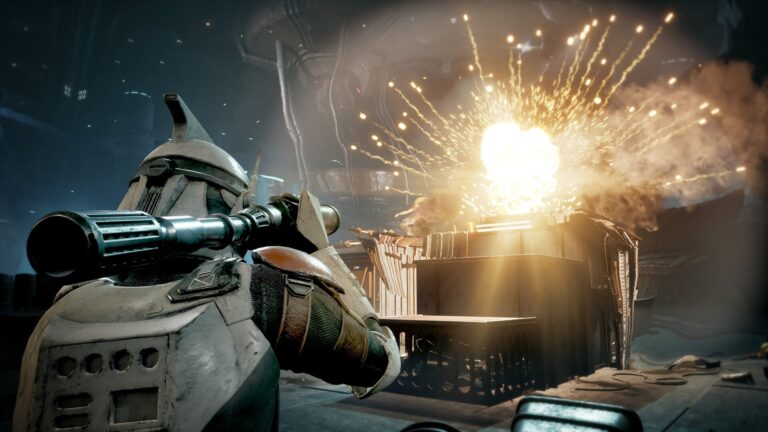
Star Wars: Zero Company launches to critical praise, with an 86 Metacritic score and reviewers describing it as one of the strongest Star Wars games in recent memory. The tactical turn-based experience, developed by Respawn Entertainment and Bit Reactor, draws inspiration from XCOM’s formula while delivering something distinctly Star Wars.
The embargo lifted today for initial reviews, and responses have been largely enthusiastic. PC Gamer’s Ted Litchfield described it as “one of the best games of 2026,” while Windows Central called it a new benchmark for the genre. Not all critics agree—Shacknews’ Lucas White criticized the writing as “sauceless” and compared the narrative to “a non-canon shonen anime film.”
Critical Reception and Metacritic Score
Star Wars: Zero Company entered the review sphere with an 86 on Metacritic, positioning it among 2026’s stronger releases. The game’s reception reveals something notable: critics appear divided not on its tactical gameplay—which earns consistent praise—but on whether that excellence elevates or merely accompanies weaker narrative elements.
Praise for Execution
Multiple reviewers highlighted the game’s ability to deliver cinematic Star Wars moments without sacrificing tactical depth. Dan Stapleton noted that the game combines “the same cinematic look and feel we saw in Respawn’s Star Wars Jedi games” with “strong characters and a storyline that’s refreshingly centered on non-Force users and a non-traditional villain.” The emphasis on cooperation over individual heroics appears intentional, with tighter map design encouraging aggressive, flexible play that differs notably from XCOM’s approach.
Mixed Story Reception
The narrative divide matters here. Elijah Gonzalez praised the writing as “genuinely funny and quick-witted,” arguing it captures something previous Star Wars games missed: depicting what it means to exist as a background player in the galaxy. He highlighted how squad members maintain political complexity—allegiances to different sides without those beliefs dominating every decision—creating friction that resolves in “an incredibly satisfying way.” Jade King similarly emphasized that the game’s willingness to replace the light-dark binary with “a demonstrable shade of grey” represents something the franchise needed.
Lucas White’s critique, however, focused precisely on this narrative layer. He found the writing “uninspired” and “bogged down,” suggesting it cost the game momentum between combat sequences. Where other critics saw richness, White saw obligation—a story the game wanted him to care about rather than one that naturally commanded attention.
Gameplay and Tactical Design
The core appeal across reviews centers on Bit Reactor’s tactical implementation. The studio, founded by former XCOM developers, brought that DNA into a Star Wars framework without simply reskinning XCOM 2.
Combat Systems and Map Design
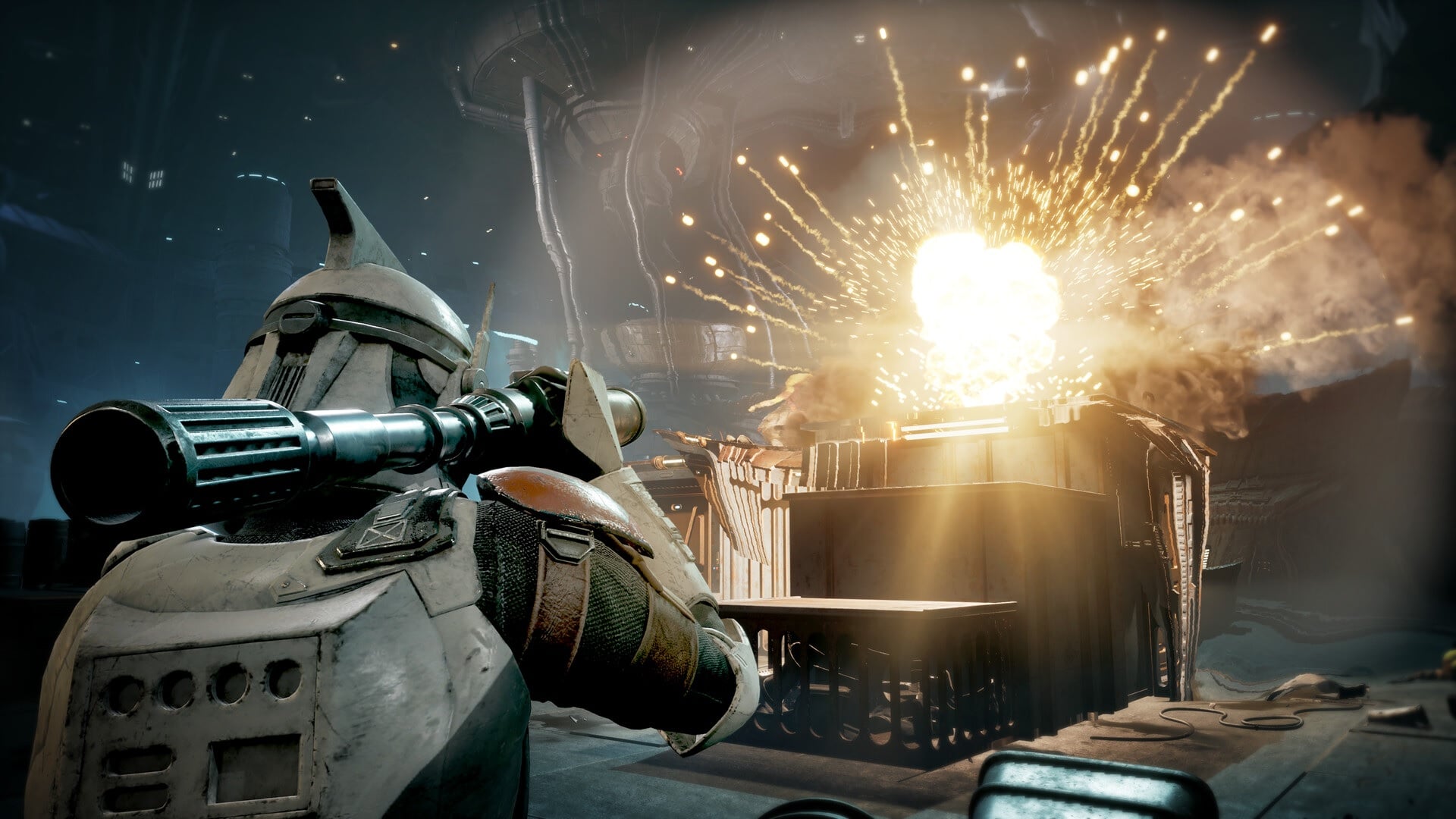
Reviewers described battles as “nuanced games of chess where every single move matters.” Smaller maps than XCOM encourage a different strategic tempo. Alex Donaldson noted some technical friction—camera issues causing unit mis-ordering, occasional bugs—but emphasized these never undermined the experience’s core satisfaction. Even idle moments carry visual interest; Alex Spencer described watching “laser fire dance across the battlefield” as both sides lay suppressive fire, with one squad member deflecting blasts off a lightsaber in moments that “made my eyes light up like a child watching their favourite toys come to life.”
Permadeath and Replayability
The game offers permadeath as an optional mode, raising stakes for players seeking maximum emotional impact when high-percentage attacks miss. Dan Stapleton acknowledged the game might not match XCOM 2’s legendary replayability—a title that remained in his rotation for a decade—but assessed the story campaign as “more than worth at least a couple of playthroughs” to fully grasp combat synergies and character depth.
Squad Mechanics and Character Focus
Base debrief sequences between missions allow squadmate interaction, building relationships that carry weight through the campaign. Unlike Jedi-centric Star Wars narratives, the squad includes members whose goals align temporarily with the protagonist rather than through ideological commitment. This pragmatic approach to team composition creates dynamics different from typical Force-user stories.
Story, Setting, and Character Development
The Clone Wars setting processes through a lens Star Wars games rarely employ: focusing on soldiers whose relationship to the galactic conflict differs fundamentally from chosen-one narratives.
Non-Traditional Protagonist Focus
Protagonist Hawk commands a squad built on temporary alignment rather than shared destiny. Elijah Gonzalez specifically praised how the game “gets across what it’s like to be a background player in a way that more Jedi-centric stories can’t.” Members maintain independent political views without those allegiances defining every action, mirroring how actual people operate. The friction between competing loyalties escalates across the campaign in ways that avoid melodrama.
Political Undertones and Narrative Complexity
Gonzalez drew comparison to Andor, suggesting Zero Company works as “a surprisingly incisive prequel, depicting a slow descent into fascism with uncomfortable poignancy.” Where Andor operates as grounded sci-fi, Zero Company uses tactical gameplay as context for political themes that most Star Wars properties sideline. Jade King reinforced this, describing how the game “made me care about a universe that has grown achingly dull and predictable in recent years,” not through radical innovation but through conscientious execution of what already works.
Character Work and Emotional Stakes
Personal companion stories “tugged at my heartstrings in ways I would have never expected,” according to Jade King. The game appears successful at making individual squad members matter through both mechanical importance in combat and narrative presence during debriefs. Writing quality remains the contentious point; critics either found dialogue witty and character-driven or uninspired padding between combat.
Developer Background and Genre Context
Bit Reactor’s pedigree shapes how critics evaluated the game. The studio’s founders came from XCOM development, bringing genre expertise but also inviting direct comparison to Firaxis’ legendary franchise.
James Galizio noted that “inspirations are never in question” with a title developed by former XCOM creators. However, he assessed the game as “more than just an XCOM-like tactics game with Star Wars stylings,” emphasizing that tactical excellence and resource management distinguish it despite a “competent if unremarkable” story and characters—a more reserved take than other reviews.
Ted Litchfield called it “a mic drop of a debut from Bit Reactor,” suggesting the studio delivered a complete vision rather than a sophomore attempt. He explicitly compared it favorably to XCOM 2 while acknowledging it likely won’t match that game’s “forever game” status through mods and sandbox longevity.
Pricing and Value Proposition
At $50, Zero Company prices below the $60-70 standard for current-generation console releases. Litchfield described this as “crowd-pleasingly anachronistic,” suggesting the asking price demonstrates confidence in core content without relying on premium positioning to anchor perceived value.
Technical State and Patches
Donaldson mentioned spotting bugs during his playtime, particularly camera issues affecting unit ordering. He expressed hope patches would address these problems, though he considered them minor friction within an otherwise thrilling experience. Such issues appear isolated rather than systematic, with no reviewer reporting game-breaking problems.
Overall Assessment
Star Wars: Zero Company represents a rare success for the franchise in recent years—a game that lands tactical gameplay at high fidelity while attempting meaningful narrative complexity. Critics divide on whether the story justifies its prominence, but none dispute the quality of the underlying tactical system or the care invested in squad dynamics.
At 86 on Metacritic, the game sits among 2026’s stronger releases. Its $50 price, combined with reviewers reporting dozens of hours of campaign content, positions it as substantial rather than experimental. Whether Zero Company becomes a franchise anchor or a standout one-off likely depends on how completely patches address reported technical issues and whether the audience gravitates toward its pragmatic, squad-focused take on Star Wars rather than hero-centric alternatives.
Frequently Asked Questions
What is Star Wars: Zero Company's Metacritic score?
The game received an 86 on Metacritic upon embargo lift, positioning it among 2026's stronger releases according to reviewers.
Who developed Star Wars: Zero Company?
Respawn Entertainment and Bit Reactor collaborated on the game, with Bit Reactor founded by former XCOM developers.
What do reviewers say about the story and characters?
Critics divide on narrative quality—some praise witty writing and engaging character work, while others criticize the story as uninspired and slow between combat sequences.
