
Key takeaways
- In the weeks following the July 9 Times Square raid, eBay has been flooded with auction listings for accounts containing the exclusive Mewtwo.
- The Times Square raid represented a sharp departure from Pokémon Go’s typically inclusive event model, creating immediate backlash from regular players excluded from the opportunity.
- Pokémon Go has faced scalping challenges before, but never at this price point or format.
- The industry is monitoring whether Scopely will take action against secondary market resales or implement stricter account security measures to prevent transfers of high-value Pokémon.
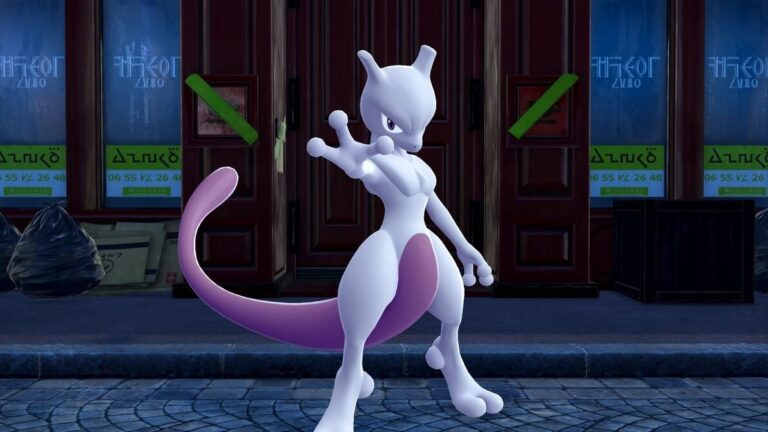
eBay listings for Pokémon Go accounts containing an exclusive Times Square Mewtwo are commanding prices between $5,000 and $10,000, marking a dramatic escalation in digital scalping within the mobile gaming space. The exclusive Pokémon—a guaranteed perfect-stat Mega Mewtwo Y with a unique Times Square background—was distributed only to approximately 2,000 invited trainers during an invite-only raid event on Thursday, July 9, 2026, in Manhattan. The resulting resale frenzy has exposed deep tensions within the Pokémon Go community over access and exclusivity, even as the game celebrated its 10th anniversary milestone.
Five-Figure Scalping Market Emerges for Digital Commodity
In the weeks following the July 9 Times Square raid, eBay has been flooded with auction listings for accounts containing the exclusive Mewtwo. Sellers are asking prices hovering around $5,000, with some listings reaching as high as $10,000 for a single digital Pokémon—a staggering premium compared to standard event Mewtwos, which typically sell for under $40. The high asking prices reflect the artificial scarcity of the reward, which cannot be obtained through any other in-game method or future event.
Fewer than 2,300 Times Square Mewtwos exist in the entire game ecosystem, according to specific eBay listings analyzing the scarcity. This comparatively tiny pool of available creatures has transformed what would normally be a cosmetic variant into a status symbol commanding five-figure valuations. The exclusivity was intentional: Scopely, which acquired Niantic’s games business for $3.5 billion in 2025, restricted invitations to vetted community ambassadors to control crowd size and maintain the event’s prestige as the centerpiece of Pokémon Go’s 10th-anniversary celebration.
Exclusive Event Creates Two-Tier Access System
The Times Square raid represented a sharp departure from Pokémon Go’s typically inclusive event model, creating immediate backlash from regular players excluded from the opportunity. Only approximately 2,000 trainers received invitations to the Manhattan event, while the subsequent Pokémon GO Fest 2026: Global event, held July 11–12, drew 717,000 participants worldwide. The timing of these events amplified player frustration: the exclusive raid granted a permanent cosmetic advantage and perfect-stat Pokémon to a select few, while the free global event only began releasing Mega Mewtwo X and Y to the general public two days later.
Regular players expressed fury that Scopely had created a system where access to an exclusive, non-replicable reward depended on invitation status rather than skill, dedication, or willingness to travel. The two-tier structure—where a tiny percentage of the player base received a unique background variant unavailable to anyone else—directly incentivized the secondary market resale that now dominates eBay. This exclusivity gap, combined with the Pokémon’s perfect stats and cosmetic uniqueness, transformed what could have been a memorable community moment into a flashpoint for inequality within the game’s ecosystem.
Community Backlash Intensifies Amid Broader Anniversary Celebration
The scalping controversy has overshadowed Pokémon Go’s broader 10th-anniversary achievements, which included impressive milestones: 800 million total players, 1 trillion Pokémon caught, and $1 billion in revenue generated in 2025. Active players engage with the game for approximately 45 minutes daily on average, and the community has collectively walked over 62 billion miles in the game’s decade-long history. Despite these markers of sustained success, the Times Square exclusivity has fractured goodwill among segments of the player base.
The introduction of new “Super Mega Raid” mechanics during the Times Square event—requiring high-level teams and at least eight trainers to break shields using Mega-evolved Pokémon—showcased Scopely’s ambitions for evolving raid difficulty and complexity. However, this gameplay innovation has been largely overshadowed by the access controversy. The free nature of the subsequent Global event, which released Mega Mewtwo X and Y to all players, was intended to be inclusive but instead highlighted the privileges granted to the Times Square invite list.
Escalation From Ticket Scalping to Account Resale
Pokémon Go has faced scalping challenges before, but never at this price point or format. During the inaugural Pokémon Go Fest, $20 tickets sold out in 15 minutes and were resold on eBay and StubHub for $150 to $1,000. The current Times Square Mewtwo scalping represents a significant escalation: instead of physical event tickets, scalpers are now reselling digital accounts containing rare Pokémon, with prices reaching five figures ($5,000–$10,000). This shift reflects both the game’s matured secondary market and the perceived value of permanently unique digital assets.
The move from ticket scalping to account resale carries additional risks and ethical concerns. Account sales violate Pokémon Go’s terms of service, exposing buyers to potential account suspension and loss of their investment. Despite these risks, the financial incentive remains substantial enough to drive listings across major e-commerce platforms, indicating a structural problem with how Scopely manages exclusivity and scarcity within the game’s economy.
What Players and Analysts Are Watching Next
The industry is monitoring whether Scopely will take action against secondary market resales or implement stricter account security measures to prevent transfers of high-value Pokémon. Additionally, observers are tracking whether future Pokémon Go events will replicate the Times Square model—exclusive, invite-only raids with cosmetic variants—or pivot toward more inclusive access models that avoid similar backlash. The controversy may influence how Scopely balances exclusivity with community satisfaction in upcoming anniversary events and limited-time raids.
The Times Square Mewtwo scalping saga underscores the tension between creating memorable, exclusive experiences and maintaining equitable access within a global player base of 800 million. As Pokémon Go enters its second decade under Scopely’s stewardship, how the company resolves this conflict will shape community trust and the game’s long-term health.
