
Key takeaways
- Game Freak created Champions as a permanent competitive platform to preserve turn-based battles while allowing the mainline series to experiment with new mechanics.
- Legends: Z-A introduced real-time combat on Switch and Switch 2 last year, dividing players who valued traditional strategy from those seeking mechanical evolution.
- Next year's Winds and Waves is reportedly maintaining the original turn-based system, suggesting Game Freak may alternate mechanical directions between different mainline titles.
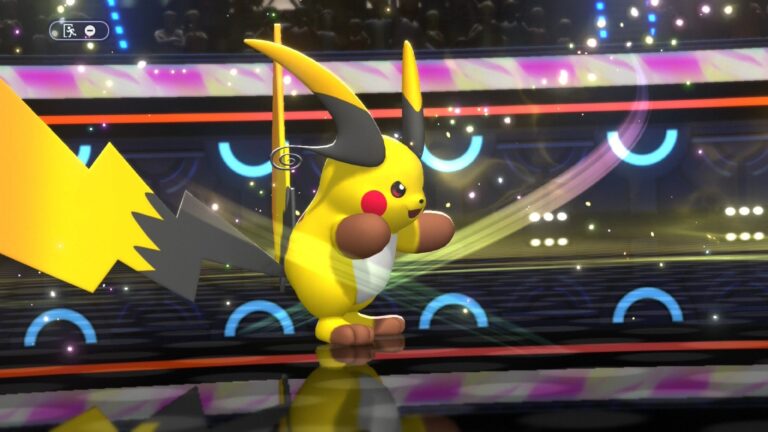
- Champions will receive ongoing updates including new Mega Evolution forms like Raichu's and Mega Staraptor, demonstrating that preservation doesn't mean mechanical stagnation.
Pokémon’s battle mechanics have operated on the same turn-based foundation since the franchise’s debut with Red and Green in 1996, but Game Freak is signaling that this core system may not remain the default in future main series entries. Legends: Z-A disrupted three decades of stability by introducing real-time combat mechanics on Switch and Switch 2 last year, presenting a directional shift that proved divisive among both the competitive circuit and casual playerbase. Rather than force all trainers to adapt to a new ruleset, the studio created Pokémon Champions—a battle simulator designed to serve as a permanent home for traditional turn-based competition while the main series potentially explores new combat models and mechanics in parallel.
Why Game Freak Created Champions
In a YouTube video explaining the simulator’s conception, game designer Shigeki Morimoto and Champions co-director Kazumasa Iwao outlined the reasoning behind Game Freak’s investment in creating a dedicated competitive space separate from future mainline games. The team recognized a fundamental tension between two objectives: enabling the series to pursue fresh mechanical directions while simultaneously honoring the three decades of strategic investment players had made in mastering the existing turn-based system.
The Value of Three Decades of Mastery
Morimoto’s remarks reveal the precise calculus behind this decision. He noted that “the battle system, the rules for competitive Pokémon battles that we’ve been using throughout the Pokémon series for so long, may gradually start changing as the Pokémon series moves forward.” Rather than simply telling longtime players to abandon years or decades of expertise, Game Freak wanted a solution that respected their accumulated knowledge.
The practical issue Game Freak grappled with was scale: countless players worldwide had spent years perfecting their understanding of type advantages, move mechanics, ability interactions, item effects, and meta-game strategies. According to Morimoto, “There are people who have been enjoying the existing style of Pokémon battles for decades, going all the way back to Red and Green, Gold and Silver, and so on. So simply saying, ‘The battles have changed, so now please go play the new version,’ didn’t really feel right either. That was something that had been bothering us at Game Freak for quite a while.”
Champions as a Permanent Resting Place
Rather than phase out the turn-based system as new games rotated through different mechanics, Game Freak chose to establish a permanent vessel for the traditional ruleset. Morimoto articulated this choice directly: “At the same time, we obviously want the series to continue taking on new challenges. But we also didn’t want to neglect the battle system we’ve had up until now. So we thought: maybe it would be good to make one game that carries forward the existing battle system and lets people continue playing it indefinitely. I think that was really the starting point for the development of Pokémon Champions.”
By designating Champions as the eternal home for turn-based competition, Game Freak effectively decoupled mechanic preservation from the forward momentum of the mainline series. This separation allows the studio to pursue experimental directions without fracturing the playerbase or rendering previous competitive knowledge obsolete.
Legends: Z-A’s Real-Time Gamble
Legends: Z-A’s real-time battle system arrived as a dramatic departure from the franchise’s foundational mechanics. The game forced players to abandon decades of learned turn-based strategy, replacing methodical turn-order decision-making with action-based timing windows and spatial positioning requirements. A significant portion of the playerbase embraced the shift as overdue mechanical evolution, while others viewed the change as a fundamental misunderstanding of what made Pokémon battles strategically distinct.
Community Divergence Over Direction
The reception demonstrated that Pokémon’s audience had developed competing visions for the series’ future. Some interpreted the real-time shift as necessary evolution that would bring fresh depth to a system that had remained largely unchanged for three decades. Others felt the redesign abandoned the core puzzle-like strategic identity that had made Pokémon battles unique among monster-training franchises, viewing the emphasis on reflexes and positioning as a departure rather than an enhancement.
What Comes After Legends: Z-A
Game Freak has not committed to rolling out real-time mechanics universally across the franchise, though developers signaled continued mechanical experimentation rather than stagnation. Internet leaks suggest that next year’s Winds and Waves will maintain the original turn-based architecture, indicating the studio may be testing different battle system directions title-by-title rather than implementing a franchise-wide shift. This approach would position Pokémon as a series exploring multiple mechanical paradigms simultaneously, each targeting different player priorities and preferences.
Champions Becomes Competitive Infrastructure
The elevation of Champions to the role of official competitive platform addressed a critical infrastructure question: as the mainline series continues experimenting with different mechanics, official tournament play and ranking systems require a stable ruleset. By anchoring competitive Pokémon to a dedicated battle simulator rather than rotating through mainline releases, Game Freak ensures that tournament structures, ladder rankings, and professional play can persist across console generations without disruption.
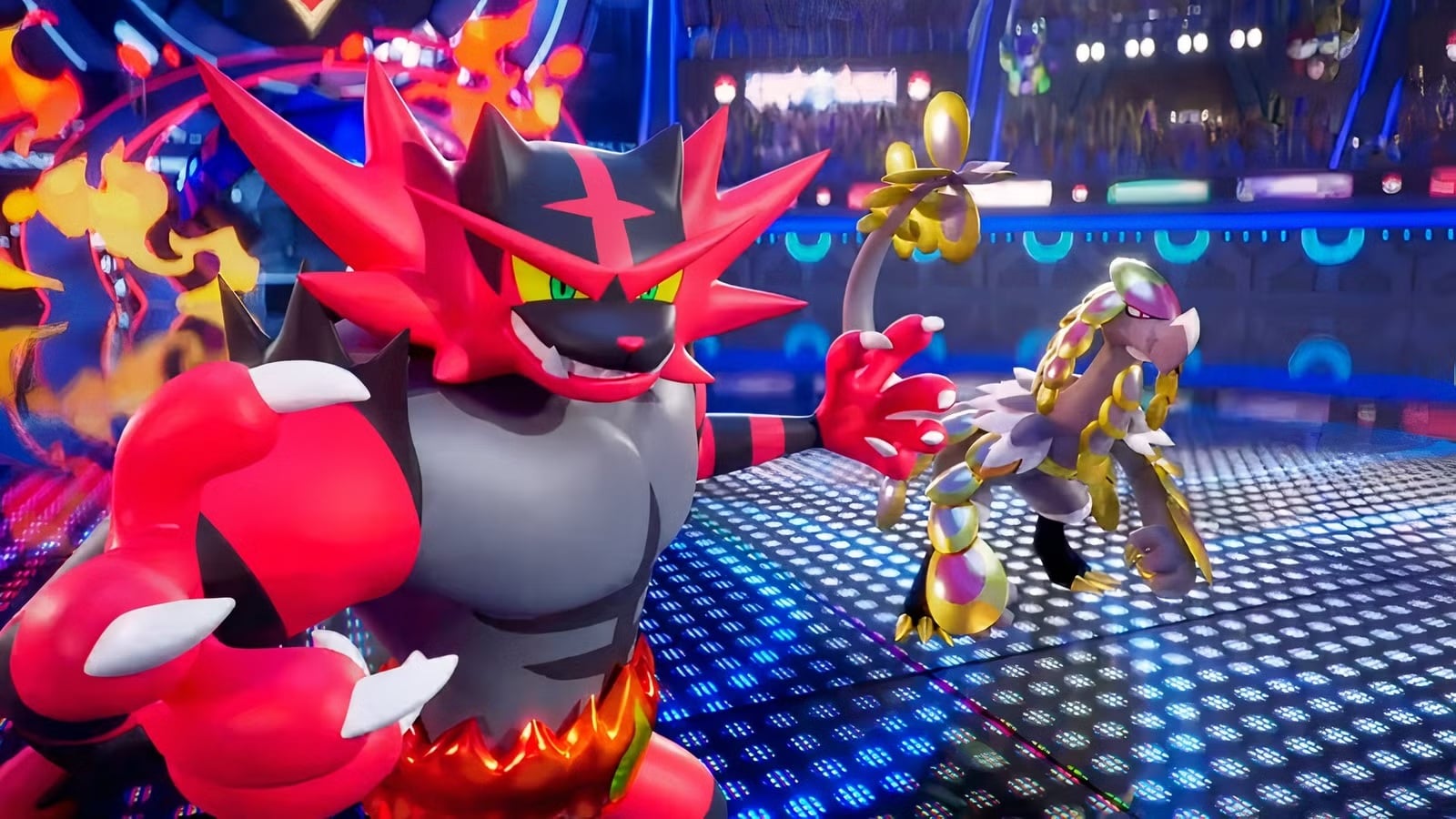
Champions has already accumulated mechanical updates extending beyond the baseline ruleset. Newly discovered properties have affected specific Pokémon distributions and movesets, while a technical bug has inadvertently granted Incineroar significant competitive advantages, requiring developer attention. The simulator is also receiving Mega Evolution forms absent from earlier releases—Raichu’s Mega Evolutions are confirmed incoming, and Mega Staraptor has established itself as a meta-defining force in the current competitive environment. These refinements demonstrate that preservation does not mean stagnation; Champions can evolve strategically while maintaining the foundational turn-based architecture.
What Future Pokémon Games May Hold
While Game Freak indicated that mainline future releases will continue exploring new battle mechanics, specific directions remain unannounced beyond general statements about continued innovation. If the real-time system pioneered in Legends: Z-A becomes the blueprint for subsequent releases, enthusiasts view this as a natural franchise evolution. Players who found friction in last year’s shift toward action-based mechanics remain uncertain, viewing the prospect with mixed apprehension.
Champions provides a concrete reassurance to that latter group: a permanent competitive space where the foundational rules they learned over decades remain unchanged. As long as Game Freak maintains and updates the simulator, the traditional turn-based system carries institutional legitimacy within the franchise ecosystem, even as future mainline Pokémon games venture into unexplored mechanical territory.
Frequently Asked Questions
Why did Game Freak create Pokémon Champions?
Game Freak created Champions as a permanent battle simulator to preserve traditional turn-based mechanics while allowing mainline games to experiment with new systems. Developer Shigeki Morimoto explained the studio didn't want longtime players who spent decades mastering the original ruleset to suddenly face irrelevance if the series changed direction.
What was Legends: Z-A's impact on the turn-based system?
Legends: Z-A replaced the traditional turn-based approach with real-time combat on Switch and Switch 2 last year, requiring players to use action-based timing instead of strategic menu navigation. The shift proved divisive, with some players welcoming the evolution and others feeling it abandoned the series' core strategic identity.
Will all future Pokémon games use real-time battles?
Game Freak has not committed all future games to real-time mechanics. Next year's Winds and Waves is reportedly maintaining turn-based battles, suggesting the studio may pursue different mechanical directions on a game-by-game basis while Champions serves as a stable competitive standard.
