
Key takeaways
- Phil Collins returns to Vice City with "Against All Odds," a 1984 ballad that originally accompanied a film about washed-up characters, hinting at romantic complications for protagonists Jason and Lucia.
- The Netflix-revealed soundtrack spans over a dozen new tracks across stadium rock, yacht rock, contemporary hip-hop, and indie selections, marking one of the most detailed soundtrack previews in GTA history.
- Rockstar employs carefully selected music as narrative device—Prefab Sprout's "Cars and Girls" gains thematic weight during high-wanted-level moments, creating ironic commentary on player choices.
- Grand Theft Auto soundtracks function as major music discovery platforms, generating cultural momentum for featured artists across demographics that typically wouldn't encounter their work.
Phil Collins’ Ominous Return to Vice City
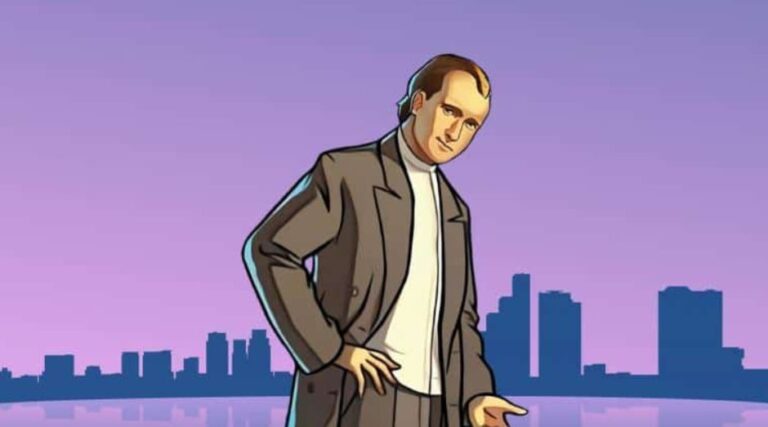
Grand Theft Auto VI enters its promotional phase with a Phil Collins surprise that carries narrative weight beyond simple nostalgia. Through a Netflix and Rockstar Games collaboration, the extended preview confirmed that Collins’ 1984 track “Against All Odds” will feature on the game’s in-game soundtrack—a return to Vice City that builds upon the Genesis frontman’s established history with the franchise. Twenty years prior, Vice City Stories featured a digitally rendered Collins performing “In the Air Tonight,” another track from the same era. This newest confirmation signals Rockstar’s deliberate strategy of weaving Collins’ catalog through the franchise’s most iconic setting.
The choice of “Against All Odds” carries specific thematic implications. Originally composed for a 1984 neo-noir film, the ballad accompanied a narrative centered on washed-up football player Jeff Bridges and Rachel Ward’s nightclub hostess character—a story of romantic entanglement between damaged individuals. With Jason Duval and Lucia Caminos positioned as Grand Theft Auto VI’s dual protagonists, the song selection hints at romantic complications beneath their criminal partnership. The song’s inclusion functions as both atmospheric choice and narrative foreshadowing, leveraging audience familiarity with Collins’ work while suggesting interpersonal tension may define their relationship throughout the campaign.
The Complete Soundtrack Revealed
The Netflix preview delivered an unprecedented glimpse of the game’s musical foundation, confirming over a dozen new licensed tracks selected across multiple radio stations and contexts.
Stadium Rock and Yacht Rock Classics
The confirmed tracklist encompasses significant breadth, beginning with foundational 1980s selections. Captain & Tennille’s “But I Think It’s a Dream,” Cliff Richard’s “Devil Woman,” Def Leppard’s “Love Bites,” and Collins’ own selections represent the stadium rock and yacht rock traditions that defined 1980s radio. Depeche Mode’s “People Are People” adds electronic new wave credentials to this foundation, grounding the soundtrack in the synth-driven sensibilities Vice City’s setting requires.
Contemporary Hip-Hop Integration
Contemporary music finds representation through carefully selected hip-hop tracks that ground the game in present-day sonic landscapes despite its Vice City setting. Sexyy Red’s “Pound Town,” the partnership of Birdman and Lil Wayne on “Pop Bottles,” and Kodak Black’s “Skrilla” provide contrast to the 1980s-focused core, suggesting players will navigate between eras during their time in the city.
Indie and Experimental Selections
Beyond the mainstream selections, Rockstar included artists who typically occupy specialized audiences. !!!’s “Off The Grid” represents post-punk revival sensibilities, while Prefab Sprout’s “Cars and Girls” brings new wave sophistication and literary lyrics to the equation. These choices suggest a soundtrack architect willing to prioritize thematic and tonal considerations over guaranteed radio ubiquity.
Decoding the Prefab Sprout Selection
The inclusion of Prefab Sprout warrants particular attention, given the band’s cult following rather than mainstream dominance. Jesse Hawken, identified as both a podcaster and Prefab Sprout specialist, offered commentary to Kotaku regarding this selection’s significance. “When you get a 5 star wanted level you will understand that some things hurt more, much more, than cars and girls,” Hawken explained, highlighting how the song’s ostensible subject matter—romantic attachment—gains new resonance within gameplay context.
The observation demonstrates how carefully selected soundtrack choices can transform from ambient background into meaningful thematic counterpoint. A ballad ostensibly about romantic disappointment becomes something darker when played during moments of high-stakes criminal activity and violent consequence. The player pursuing maximum wanted levels experiences the song not as pure musical accompaniment but as ironic commentary on their character’s choices and priorities. Rockstar’s confidence in including such a track suggests willingness to trust players’ interpretive sophistication.
How Grand Theft Auto Defines Music Discovery
Since the original Vice City established open-world gaming’s relationship with licensed music, Rockstar has progressively expanded the role soundtracks play within game worlds. Successive entries introduced in-game radio stations hosting fictional personalities who curate playlists, and more recent iterations have featured actual artists and celebrities appearing as digital DJs. This evolution transformed Grand Theft Auto from a game featuring music into a game fundamentally built around music as environmental storytelling.
The franchise’s cultural reach has made it a genuine vehicle for music discovery. When previous GTA promotional materials emphasized tracks by Tom Petty and the Pointer Sisters, the exposure generated measurable attention for artists among demographics that might not typically encounter their work. A game reaching tens of millions of players creates an audience larger than most traditional media platforms can guarantee. Artists benefit from association with a cultural phenomenon while Rockstar gains credibility through careful curation.
Music as Narrative Architecture
The deliberate selection of “Against All Odds” for Jason and Lucia’s story suggests Rockstar may employ soundtrack choices as subtle narrative tools throughout Grand Theft Auto VI’s campaign. A Collins ballad about romantic disappointment and washed-up dreams gains additional meaning when accompanying protagonists whose own story involves complicated motivations and questionable futures. Whether consciously or intuitively, the song reinforces themes the narrative will likely explore through gameplay and cinematic moments.
This approach to soundtrack integration represents a sophisticated understanding of how music shapes player perception and emotional engagement. The game’s music becomes more than accompaniment—it becomes thematic echo, emotional guide, and historical context simultaneously. In Vice City’s setting, songs spanning from the 1980s through contemporary releases create a world where cultural layers coexist, reflecting how actual music consumption functions across generations and genres.
Frequently Asked Questions
Is Phil Collins new to Grand Theft Auto games?
No. Collins previously appeared in Vice City Stories two decades ago, where a virtual version of him performed "In the Air Tonight." This new appearance marks his second major presence in the Vice City universe.
Why was "Against All Odds" chosen for GTA VI?
The 1984 Collins ballad originally accompanied a neo-noir film about a washed-up football player (Jeff Bridges) and a nightclub hostess (Rachel Ward). Its inclusion hints at romantic complications between protagonists Jason Duval and Lucia Caminos, creating thematic resonance with the game's narrative.
What other artists appear on GTA VI's soundtrack?
Over a dozen new tracks include Captain & Tennille, Cliff Richard, Def Leppard, Sexyy Red, Birdman and Lil Wayne, Kodak Black, Depeche Mode, Prefab Sprout, and !!!, spanning stadium rock, yacht rock, contemporary hip-hop, and indie experimental selections.
