
Key takeaways
- Modern Warfare 4's beta revealed frustration with unimpressive maps, fast time-to-kill values, and spawn placement that favors camping playstyles rather than balanced gameplay.
- Infinity Ward committed to adjusting TTK, redesigning spawn systems, and reducing weapon attachment penalties in response to beta feedback before the October launch.
- The franchise faces competitive pressure from fragmented market competition and underperformance against Microsoft's sales targets following the 2023 Activision acquisition.
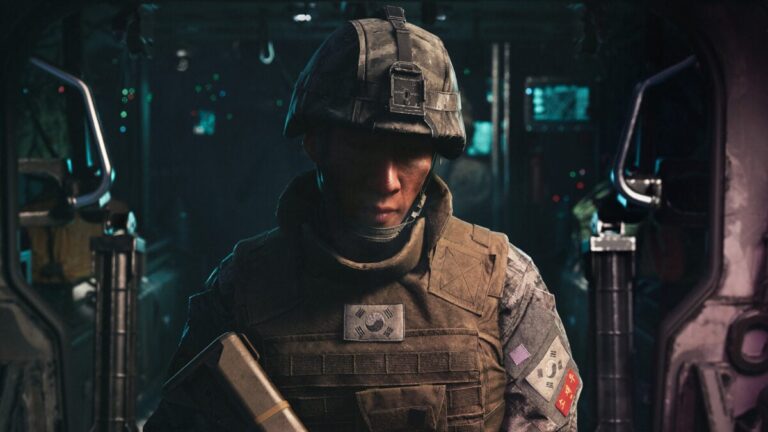
The Call of Duty franchise released a beta for Modern Warfare 4 over the weekend, offering players their first extended look at what Infinity Ward envisions as a return to grounded, boots-on-the-ground gameplay. The 23rd entry in the series, published by Activision, was positioned as a correction after years of acrobatic movement systems and over-the-top design choices that critics felt had pushed the franchise away from its tactical roots. However, the limited beta window revealed that the pendulum may have swung too far in the opposite direction, with players citing unimpressive map design, balancing issues, and a fundamental disconnect between slower movement and fast kill times.
Scheduled for an October launch, the game is exclusive to current-generation consoles and Nintendo Switch 2, departing from the broader platform support of recent entries. While the graphical fidelity and environmental detail impressed participants, the core gameplay experience drew substantially more critical attention. Technical issues ranging from spawn placement to weapon effectiveness dominated feedback, raising questions about whether these represent fixable problems or reflect deeper design philosophy decisions.
Reception and Technical Concerns
Map Design Disappoints Players
The three maps included in the beta served as the only gameplay environments available, limiting player evaluation of the full launch suite. Participants found these selections uninspired and problematic in execution. Since Infinity Ward plans to ship twelve maps at launch with nine withheld from testing, questions linger about whether the issues plaguing available maps are isolated or symptomatic of broader design trends. Maps felt cramped, with layout choices that favored short-range engagements over the diverse playstyle opportunities present in prior entries. The limited visual variety reinforced the sense that the map pool lacks the distinctive character established in previous Modern Warfare iterations.
Time-to-Kill Imbalance Dominates Complaints
One of the most consistent criticisms centered on how rapidly gunfights resolved. Weapons kill too quickly across the board, according to numerous beta participants, leaving little window for counterplay or tactical repositioning once enemies spot each other. This rapid time-to-kill creates cascading effects through the entire balancing ecosystem. Weapon attachments, which should provide meaningful customization and performance variations, failed to carry noticeable weight in actual combat. Players found that loadout optimization felt inconsequential, as fast kill times overshadowed any marginal benefits attachments offered. The audio design compounds this issue, with footsteps deliberately louder than standard, granting unexpected advantage to stealth-oriented playstyles and suppression-focused loadouts.
Spawn Placement Favors Passive Play
Where players respawn proved problematic, with spawn points seemingly positioned without adequate consideration for sightline safety or engagement distance. Combined with fast time-to-kill values and favorable conditions for passive playstyles, the spawn system creates matches where early eliminations occur before players can establish map control. This dynamic transforms defensive, stationary gameplay from a situational tactic into the dominant strategy, fundamentally altering what the game rewards and how matches play out.
Movement System Shift and Its Consequences
Infinity Ward’s stated goal was to eliminate the acrobatic movement systems that defined recent Call of Duty entries, particularly the omnimovement mechanics associated with Black Ops titles. Wall jumping and vertical mobility are gone, replaced by a ground-based slide mechanic emphasizing horizontal traversal over vertical expression. This design shift successfully creates slower, more methodical movement pacing focused on footwork and positioning.
However, this slower movement design coexists awkwardly with fast time-to-kill values. Players find themselves moving deliberately but dying quickly, a dissonant combination that leaves both aggressive and tactical playstyles feeling unsatisfying. The game feels neither fast enough for run-and-gun enthusiasts nor methodical enough for pure tacticians. The attempt to find middle ground has instead created a third experience that satisfies neither camp.
Infinity Ward’s Development Response
Public commitments from Infinity Ward address several primary complaints. The studio stated that time-to-kill values will be adjusted in response to feedback, though specifics on magnitude remain unclear. Spawn system changes are also promised, moving away from the apparent clustering and poor placement frustrating players throughout the beta. Additionally, the team plans to reduce the number of negative effects from weapon attachments, intending to make customization feel more rewarding and allow loadout choices to impact actual performance. These adjustments suggest the developer takes feedback seriously, though questions remain about whether tweaks address fundamental design philosophy concerns or merely apply surface-level fixes to systemic problems.
Competitive Landscape and Sales Pressure
Microsoft’s Acquisition Context
Call of Duty operates under unique pressure following Microsoft’s 2023 acquisition of Activision. The franchise underperformed against internal sales projections so significantly that the company publicly acknowledged missing milestones. Revenue decline represents an existential challenge for a series historically functioning as a reliable annual revenue generator. What was likely positioned as a cash cow for Microsoft has instead become a problem requiring immediate attention and course correction.
Fragmenting Shooter Market
The competitive environment has shifted dramatically. Battlefield 6, released last year, failed to dethrone Call of Duty but succeeded in proving that alternative modern military shooters could capture substantial audience share. More significantly, the broader first-person shooter market has fragmented. Titles designed explicitly for hardcore, competitive audiences have thrived alongside games built for pure casual players. Call of Duty’s traditional identity, serving both audiences simultaneously, increasingly looks like a liability rather than an asset in a market rewarding specialization. Infinity Ward faces a franchise turnaround during a period when parent company Activision grapples with internal challenges, making execution all the more critical.
Additional Beta Features
First Campaign Inclusion in Beta History
For the first time in the franchise’s history, a Call of Duty beta included access to a singleplayer campaign mission. This shift provides early exposure to narrative production and pacing, departing from the traditional beta structure of multiplayer-only testing and signaling confidence in the single-player experience launching in October.
Community Feedback on Maps and Cosmetics
Community feedback on map selection via voting systems reveals preferences diverging from developer intent. Players repeatedly vote for Nuketown, Raid, and Hijacked across multiple voting cycles, indicating strong attachment to proven map design that differs from what Infinity Ward has prioritized for Modern Warfare 4. The franchise has also shifted its approach to cosmetic customization. Custom emblems, which players previously created themselves through in-game design tools, now require purchase from the cosmetics store, marking another transition from player creation to transactional content.
Frequently Asked Questions
When is Call of Duty: Modern Warfare 4 launching and on which platforms?
The game launches in October for current-generation consoles and Nintendo Switch 2, leaving older hardware generations behind but expanding to Nintendo's new system.
What movement changes did Infinity Ward make for Modern Warfare 4?
The studio removed wall jumping and omnimovement mechanics featured in Black Ops titles, replacing them with a ground-based slide system that creates slower-paced gameplay emphasizing footwork over vertical mobility.
What were the main complaints from beta players about gameplay balance?
Players cited weapons killing too quickly, weapon attachments carrying insufficient weight, ineffective spawn placement, and audio design that advantages stealth playstyles and discourages aggressive play.
