
Key takeaways
- Paramount announced a Golden Axe animated series starring Danny Pudi and Matthew Rhys, continuing its expansion into Sega properties following Sonic's live-action success.
- The series' heavy meta-humor and self-referential tone has disappointed fans who expected an earnest adaptation rather than sarcastic commentary reminiscent of Rick and Morty.
- Golden Axe has not received a major game release in nearly twenty years, making the animated adaptation a bittersweet substitute for players hoping to see the arcade classic return to interactive form.
Following the commercial success of its live-action Sonic the Hedgehog films, Paramount is expanding its video game portfolio with an animated take on Sega’s classic Golden Axe arcade series.
Cast and Story
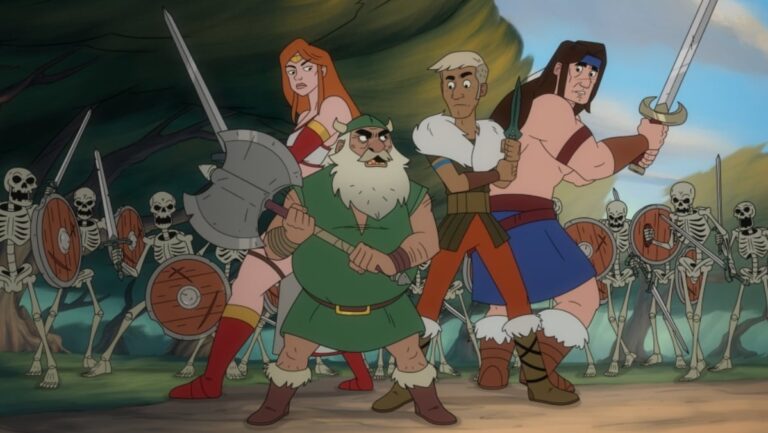
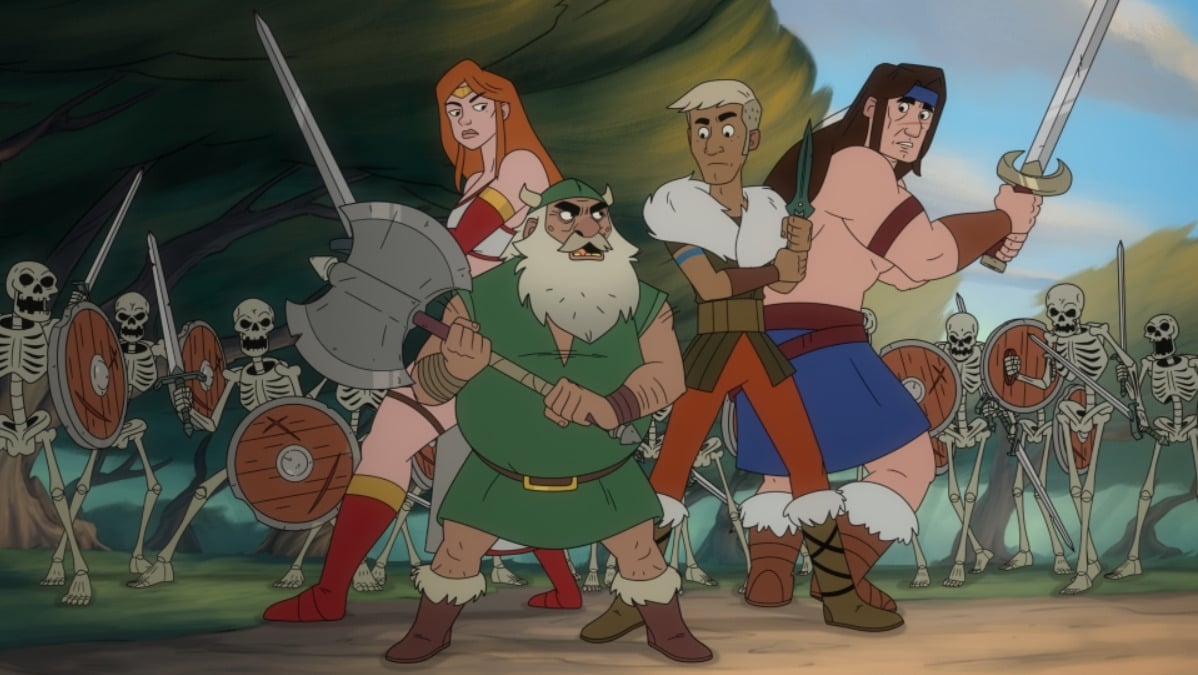
The ensemble cast includes Danny Pudi from Community, Matthew Rhys from Widow’s Bay, comedian Lisa Gilroy, and Liam McIntyre, who is set to play Wolverine in an upcoming project. Together, they voice characters embarking on a quest to retrieve a magical Golden Axe from the villain Death Adder, facing progressively difficult adversaries en route to a final confrontation.
Fan Reaction and Initial Reception
Negative Response to the Tone
Initial reactions from the gaming community have been decidedly negative. Many fans have expressed frustration with the series’ tonal approach, particularly its heavy reliance on meta-humor and self-aware references. The style evokes Rick and Morty-style sarcasm, a comedic sensibility that viewers say has been overdone in animated adaptations. The sentiment appears to be one of fatigue—audiences seem tired of seeing game adaptations lean so heavily on winking at the camera rather than embracing the source material’s inherent qualities.
The Franchise’s Dormancy
This critical reception is especially pointed given the original game franchise’s extended absence from the market. Golden Axe has not received a major update in nearly two decades, making this adaptation’s arrival bittersweet for longtime fans who might have hoped for a fresh game entry instead. Rather than restarting the interactive series, Paramount’s approach through animation feels to many like a missed opportunity to restore the arcade classic to its former prominence.
The Original Game’s Identity
Arcade Mechanics and Design
Golden Axe established itself as an arcade staple through its distinct approach to the beat ’em up genre. Rather than relying solely on hand-to-hand combat, the game incorporated mountable creatures that served as both transportation and combat tools. Large-scale monster battles formed key set pieces, while the series’ colorful, distinct fantasy realms gave each stage memorable visual identity. This combination of arcade action, fantastical setting, and unusual mechanics made Golden Axe stand out in the crowded arcade halls of its era.
Sword and Sorcery Foundation
The original game’s sword and sorcery tone created a cohesive world that didn’t need to apologize for its fantasy setting or arcade action sensibilities. Players accepted the premise straightforwardly—retrieve the Golden Axe from Death Adder—and enjoyed the journey through increasingly elaborate encounters without constant ironic distance. The franchise thrived by treating its premise sincerely rather than as material ripe for mockery.
The Adaptation’s Creative Direction
Meta-Commentary and Self-Awareness
The animated series adaptation references these elements directly in its marketing materials, with dialogue and visuals that call back to the original game’s mechanics and absurd tone. One line from the trailer, delivered by the character Tyris Flare, explicitly outlines the plot structure: “We’re going to do what we do best. Face a series of progressively harder enemies until we have a big final battle with Death Adder.” The trailer is filled with self-referential nods to how the original game is played and the general absurdity of existing in high fantasy.
Tone of Embarrassment
This kind of meta-commentary, meant to be clever, instead reads to many viewers as contemptuous toward both the source material and the audience. The series appears designed to undercut itself with constant irony, while the impression many fans have taken away is that the writers view the project as something to be gotten through rather than something to be genuinely created. The franchise seems treated as an embarrassment to be managed rather than an opportunity worth embracing.
The Competitive Fantasy Landscape
Successful Genre Alternatives
Golden Axe arrives in a marketplace already saturated with fantasy entertainment offerings, many of which have successfully approached similar material with greater confidence and respect. Critical Role has built a massive following for Dungeons & Dragons content that treats its source material as worthy of serious engagement and investment. Dungeon Crawler Carl achieved runaway success by leaning into its genre conventions rather than mocking them. Paramount itself produced a Dungeons & Dragons movie that, despite mixed critical reception, faced obstacles in securing a sequel, suggesting that earnest approaches to fantasy properties can attract audiences.
Visual and Tonal Preferences
Stylistically, what many fans say they would prefer is an animated series that matches the visual boldness of classic fantasy art—something akin to a Boris Vallejo painting brought to screen. The odds of getting that kind of approach, however, seem considerably long in the current streaming landscape, where ironic distance from genre material has become the industry default and self-mockery the presumed path to critical acceptance.
Waiting for a Return to Interactive Play
The franchise’s extended absence from the interactive market looms large over this announcement. Nearly twenty years have passed since the last significant Golden Axe release, leaving the intellectual property dormant in gaming while Hollywood attempts to revitalize it through adaptation. For fans hoping to see the series return in interactive form, the animated show represents a somewhat hollow consolation prize. The gap between what audiences expected or hoped for—a proper return to the arcade series that made Golden Axe memorable—and what they received in the form of a sarcastically-toned animated series has left many disappointed before the show even premiered.
Frequently Asked Questions
What is the Golden Axe animated series about?
The series follows a group of fantasy warriors attempting to retrieve a magical Golden Axe from the villain Death Adder. The voice cast features Danny Pudi from Community, Matthew Rhys from Widow's Bay, comedian Lisa Gilroy, and Liam McIntyre.
Why are fans disappointed with the series?
Fans are frustrated with the series' heavy reliance on meta-humor and sarcasm reminiscent of Rick and Morty. Many view the tone as contemptuous toward the source material rather than genuinely engaging with it, and prefer earnest adaptations like Critical Role or Dungeon Crawler Carl.
When was the last Golden Axe game released?
The original Golden Axe arcade game established the series as a classic beat 'em up known for mountable creatures, large monster battles, and colorful fantasy realms. The franchise has not received a major update in nearly twenty years.
