
Key takeaways
- Tachikawa’s praise reflects the culmination of three seasons of meticulous storytelling and animation direction at Bones, the studio behind acclaimed works including My Hero Academia and Soul Eater.
- The success of Mob Psycho 100’s ending reflects deliberate creative choices made from the series’ inception.
- The finale received overwhelmingly positive reviews from major critics, who called it a “beautiful conclusion” and “perfect capstone” for the series.
- The full Mob Psycho 100 series, including its finale, remains available on Crunchyroll, enabling international audiences to experience the conclusion firsthand.
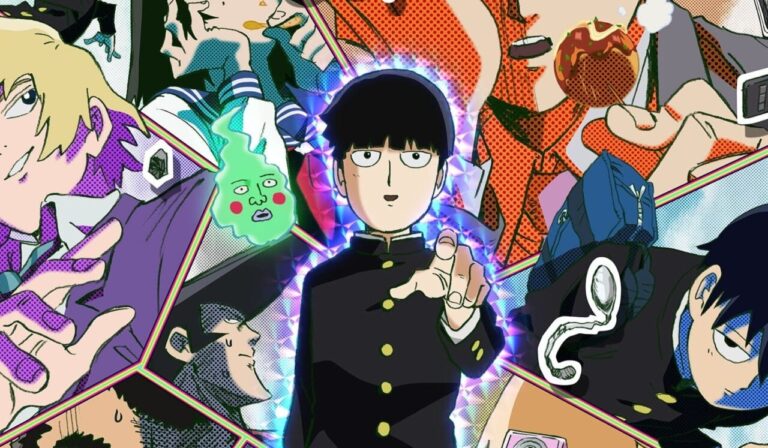
Director Yuzuru Tachikawa has expressed deep satisfaction with how Mob Psycho 100 concluded, stating that he believed “the way it ended was great” in reflecting on the series’ final chapter. The 12th and final episode of Mob Psycho 100 III, titled “Confession ~ The Future,” aired on March 28, 2022, serving as the conclusive chapter of Bones Animation Studio’s three-season adaptation of ONE’s acclaimed manga. Tachikawa’s affirmation underscores the creative team’s confidence in delivering an emotionally resonant ending to Shigeo Kageyama’s transformative psychological journey.
Director’s Vision Realized in the Series Finale
Tachikawa’s praise reflects the culmination of three seasons of meticulous storytelling and animation direction at Bones, the studio behind acclaimed works including My Hero Academia and Soul Eater. In a 2019 interview with Crunchyroll, the director emphasized that the ending honored Shigeo’s arc toward self-acceptance, the emotional core that defined the entire narrative. His satisfaction with the finale demonstrates that the production team successfully translated ONE’s original manga themes into animated form without compromising the psychological depth that made the series resonate globally.
The final episode delivered a visual and narrative payoff that critics immediately recognized as exceptional. The closing moments feature Shigeo laughing freely—a stark contrast to his characteristically stoic demeanor throughout the series—symbolizing his emotional liberation and acceptance of himself. This single visual moment encapsulates the entire thematic journey, with Tachikawa intentionally storyboarding the shot to emphasize closure without resorting to melodrama or artificial sentimentality.
A Series Built on Unconventional Character Design and Depth
The success of Mob Psycho 100’s ending reflects deliberate creative choices made from the series’ inception. In discussions between ONE and Tachikawa, the creative team debated whether to make Mob “more slender” or “more good-looking” to appeal to broader audiences, ultimately deciding to maintain his plain, unremarkable appearance. This decision proved foundational to the series’ identity, allowing viewers to connect with Shigeo’s internal struggles rather than being distracted by superficial appeal, making his eventual emotional growth far more impactful and relatable.
Character designer and animation director Yoshimichi Kameda played an instrumental role in crafting the series’ distinctive visual style that brought Tachikawa’s vision to life. Kameda’s expressive, fluid animation approach became synonymous with Mob Psycho 100, with his contributions extending beyond technical execution to emotional storytelling. The collaborative synergy between Tachikawa’s directorial vision and Kameda’s character work elevated the finale from a simple conclusion into a masterclass in visual narrative, where animation itself communicated Shigeo’s transformation.
Critical Consensus and Thematic Reinforcement
The finale received overwhelmingly positive reviews from major critics, who called it a “beautiful conclusion” and “perfect capstone” for the series. Screen Rant and GameRant both praised the episode for its emotional payoff and its refusal to rely on clichéd narrative devices, instead focusing on the internal growth that defined Mob Psycho 100’s thematic identity. The critical response validated Tachikawa’s directorial approach and confirmed that audiences across multiple regions connected with the series’ message about self-worth and acceptance.
Beyond Shigeo’s journey, the finale reinforced secondary themes through pivotal character moments. Reigen Arataka’s climactic declaration—”I DON’T HAVE PSYCHIC POWERS!”—while hanging from a ledge served as a thematic counterpoint, with the character accepting his humanity despite lacking supernatural abilities. This line encapsulates the series’ core message: true strength emerges from self-belief rather than external power, making Reigen’s arc a mirror to Mob’s internal transformation and elevating the finale’s thematic resonance.
Global Accessibility and Industry Impact
The full Mob Psycho 100 series, including its finale, remains available on Crunchyroll, enabling international audiences to experience the conclusion firsthand. The platform’s global reach has contributed significantly to the series’ widespread popularity and critical acclaim, allowing fans across regions to engage with Tachikawa’s vision simultaneously. This accessibility amplified the finale’s cultural impact, transforming a single episode into a shared moment for a dispersed but connected global fanbase.
While the overwhelming majority of viewers and critics embraced the finale as a satisfying conclusion, some viewers expressed concerns that Mob’s healing occurred too rapidly, interpreting the quick resolution as emotionally abrupt. This minority perspective reflects the subjective nature of narrative pacing and emotional catharsis, yet the dominant consensus remains firmly in favor of the ending as a perfect, earned conclusion to Shigeo’s journey. The debate itself demonstrates the series’ capacity to generate meaningful discussion about character development and narrative closure.
Adaptation Excellence and Creative Fidelity
Mob Psycho 100 stands as a testament to successful manga-to-anime adaptation, with Bones delivering three complete seasons that honored ONE’s original vision while leveraging animation’s unique strengths. The studio’s commitment to character-focused storytelling and expressive animation distinguished the adaptation from countless other projects that prioritize spectacle over substance. Tachikawa’s directorial consistency across all three seasons ensured that thematic coherence remained intact from premiere to finale.
The series’ conclusion marks a significant achievement in the industry, demonstrating that anime can deliver narratively complete, emotionally satisfying endings that avoid common pitfalls of extended adaptations. The finale aired on March 28, 2022, providing closure to a narrative that began with the series’ 2016 premiere, allowing a complete six-year arc of production and storytelling excellence.
What Lies Ahead for Creative Teams and Audiences
Director Yuzuru Tachikawa and animation director Yoshimichi Kameda continue pursuing ambitious projects within the anime industry, with their work on Mob Psycho 100 establishing them as visionary creators capable of blending psychological depth with visual innovation. Kameda’s subsequent work on the film Inu-Oh demonstrated continued growth in expressive animation techniques, building on foundations established during his tenure on Mob Psycho 100. The creative partnership forged during the series’ production represents a model for how directors and animators can collaborate to elevate source material.
Fans and industry observers continue celebrating Mob Psycho 100’s conclusion as a high-water mark for anime storytelling, with the finale serving as a reference point for what character-driven narratives can achieve. Tachikawa’s affirmation that the ending was perfect validates the creative risks taken throughout production, confirming that audiences responded positively to a conclusion prioritizing internal growth over external spectacle. The series’ legacy continues expanding as new viewers discover the complete narrative, ensuring that Shigeo Kageyama’s journey toward self-acceptance remains relevant and impactful for years to come.
