
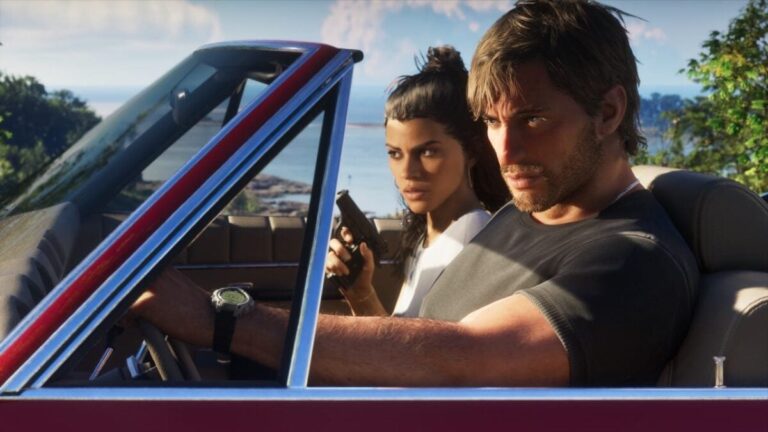
Key takeaways
- Sheriff Rosie Cordero-Stutz opposes the city's proposed GTA 6 Vice City marketing collaboration, saying the game glorifies crimes her department works daily to prevent.
- Mayor Daniella Levine Cava proposed Vice City Motor Fest, a family-appropriate event using GTA VI aesthetics to market Miami globally.
- Commissioner Juan Carlos Bermudez joined the opposition, arguing the partnership would undermine the city's reputation as a world-class tourism and business destination.
In June 2026, Miami-Dade Mayor Daniella Levine Cava submitted a proposal to Rockstar Games suggesting a formal collaboration to market Miami as the real-world version of the game’s Vice City setting. The pitch, disclosed through a public records request, outlined how the city could leverage the game’s cultural prominence and Miami’s direct connection to Vice City’s fictional geography.
The proposal suggested using “approved GTA VI characters or visual references” in city marketing materials and public events. Rather than simply copying the game’s criminal themes, the mayor’s office envisioned collaborations that would attract tourists and investors by capitalizing on the game’s global recognition.
Vice City Motor Fest Proposal
Among the ideas presented was the Vice City Motor Fest, a proposed public event. The concept would combine classic cars, customized vehicles, lowriders, motorcycles, tropical graphics, and local entertainment in a controlled, family-appropriate setting. The event was designed to evoke the aesthetic and energy associated with Vice City without reproducing the game’s focus on criminal activity.
A spokesperson for the mayor’s office later clarified that the collaboration has not yet been formally agreed to or approved by Rockstar Games, leaving the proposal’s fate uncertain.
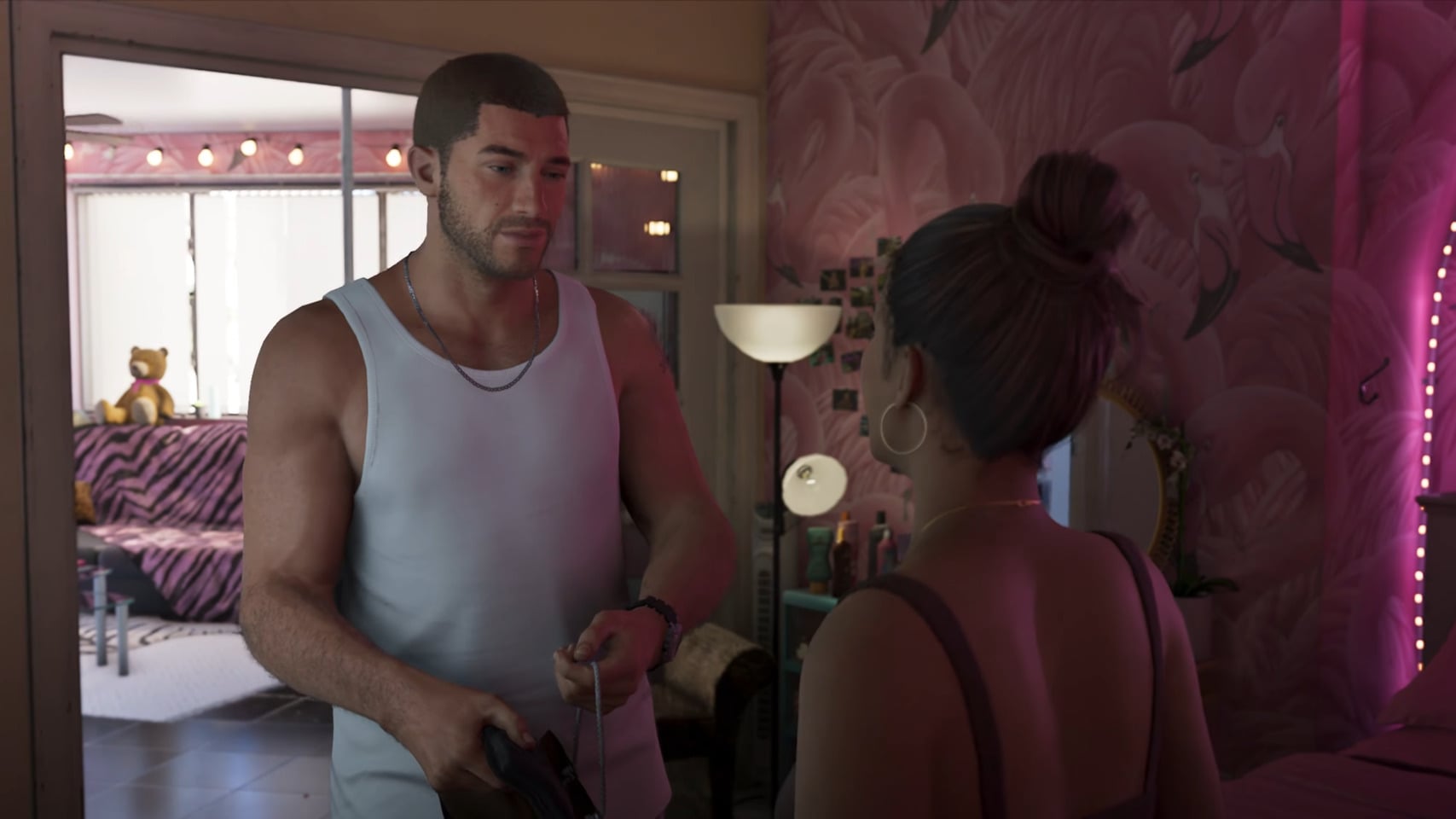
Law Enforcement Challenges the Plan
The Sheriff’s Position
Miami-Dade Sheriff Rosie Cordero-Stutz publicly opposed the proposed partnership. She criticized the fundamental nature of the Grand Theft Auto franchise: “Grand Theft Auto is a video game franchise built around criminal activity. Its fictional world includes murder, robbery, drug trafficking, carjacking, violence against law enforcement, and other conduct that the men and women of the Miami-Dade Sheriff’s Office work every single day to prevent.”
Cordero-Stutz framed the opposition in terms of professional conflict. Her department’s daily mission centers on preventing the exact crimes that form the narrative foundation of GTA 6, making any city partnership with the game’s developer feel like an endorsement of the criminal elements the sheriff’s office fights against.
Political Alignment and Opposition
Cordero-Stutz’s opposition was joined by Miami-Dade Commissioner Juan Carlos Bermudez, a Republican candidate potentially positioned to challenge Mayor Levine Cava, a Democrat, in 2028. The combination of law enforcement leadership and political opposition amplified the criticism and suggested the proposal faced resistance from multiple city stakeholders.
Bermudez articulated the political dimension of the disagreement: “Miami-Dade County has spent decades building a reputation as a world-class destination for tourism, business, investment, and opportunity. We should be promoting the Miami-Dade we have worked so hard to build, not a fictional version of our community defined by crime and violence.”
Two Competing Images of Miami
The Mayor’s Perspective
The dispute represents a clash between two narratives about what Miami represents. On one side, the mayor’s office saw an opportunity to leverage GTA 6’s cultural reach and the undeniable geographical and thematic connection between Miami and Vice City. The game’s global popularity offered potential international recognition for the city.
Opposition to the Partnership
On the other side, Cordero-Stutz and Bermudez argued that the association undermines the city’s legitimate reputation as a premier destination for tourism, business investment, and quality of life. They contended that marketing Miami alongside a franchise built on criminal activity sends the wrong message about what the city represents.
Broader Questions of Civic Identity
This tension extends beyond marketing strategy. It raises fundamental questions about civic identity: whether a city should embrace connections to fictional representations that emphasize criminal activity, even if those representations are what makes the city culturally recognizable on a global scale.
The Cultural Context of Grand Theft Auto 6
Rockstar Games has promoted Grand Theft Auto 6 through various channels. The company revealed the game at Sony’s State of Play with a brief controller teaser. Based on official trailers and promotional materials, fans have documented over 250 vehicles featured in the game’s visual assets.
The game’s cultural prominence makes it an obvious asset for city marketing initiatives. Yet that same prominence stems directly from the franchise’s reputation for depicting criminal enterprise, making any partnership potentially controversial with law enforcement and civic leadership concerned about the city’s broader image and reputation.
An Uncertain Partnership
As of the public statement from the mayor’s office, the collaboration with Rockstar Games remains unapproved and unformalized. The immediate and public opposition from both the sheriff’s office and a political rival of the mayor suggests that if Rockstar Games were to accept the proposal, the company might face criticism from local authorities who view such a partnership as incompatible with their law enforcement mission.
The debate illuminates a broader challenge: how can cities engage with major video game franchises and their cultural properties without appearing to endorse or celebrate the fictional criminal worlds those games depict? The Motor Fest concept suggests possible middle ground—creating controlled, family-friendly events with thematic connections to the game without reproducing its criminal narrative. Whether such an approach interests Rockstar Games, or whether the company sees any partnership as more risk than benefit, remains to be determined.
Frequently Asked Questions
What did Miami-Dade's mayor propose in June 2026?
Mayor Daniella Levine Cava submitted a proposal to Rockstar Games for a collaboration to market Miami as the real-world version of GTA 6's Vice City, including a concept called Vice City Motor Fest featuring classic cars, lowriders, motorcycles, and tropical graphics in a family-appropriate setting.
Why did Sheriff Cordero-Stutz oppose the collaboration?
Sheriff Rosie Cordero-Stutz stated that Grand Theft Auto is built around criminal activity including murder, robbery, drug trafficking, carjacking, and violence against law enforcement—the same crimes her department works to prevent daily.
Has the collaboration been formally approved?
No. According to the mayor's office, the proposed collaboration has not yet been formally agreed to or approved by Rockstar Games.
