
Key takeaways
- Kingdom Hearts' tutorial subverts Disney expectations through somber music and existential questioning, signaling that the series intends narrative complexity beyond its licensed premise.
- The weapon selection hidden within the tutorial determines Sora's baseline stats and ability learning order, establishing a specialization system the game never explicitly explains.
- The Dive to the Heart sequences and their stained-glass princess imagery foreshadow narrative connections that remain unexplained until much later in the series.
- The Darkside boss encounter ends in apparent defeat despite player victory, establishing a thematic pattern that persists throughout Kingdom Hearts' 25-year storyline.
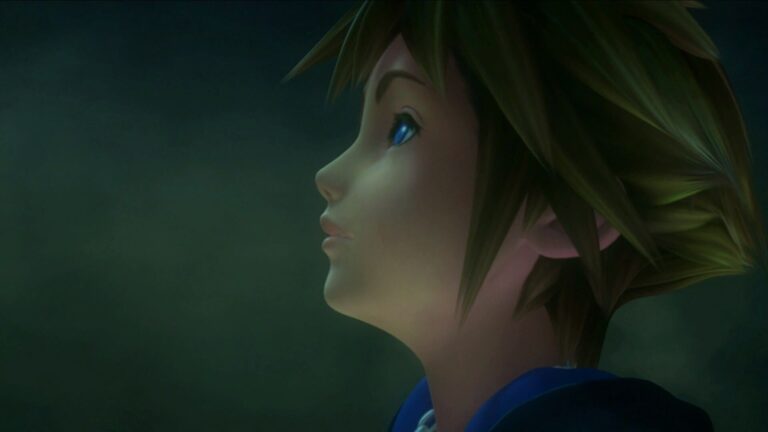
When Kingdom Hearts begins, players encounter one of gaming’s most distinctive opening moments: Utada Hikaru’s “Simple and Clean” accompanies a cinematic that sets the stage for what the player believes they are about to experience. Within minutes, however, Square Enix reveals something far different from what the licensing partnership might suggest. The tutorial section that follows, set in a space called the Dive to the Heart, functions as both a mechanical introduction and a careful subversion of expectations, laying groundwork for a narrative that would span 25 years and multiple platforms.
As part of ongoing coverage examining the Kingdom Hearts series from its foundation, Kotaku has been replaying the original 2002 game to understand how the opening positions what would become an increasingly elaborate story. That analysis reveals how deliberately the early hours present a clash between what players anticipate and what the game actually delivers.
The Dive to the Heart: A Space Between Worlds
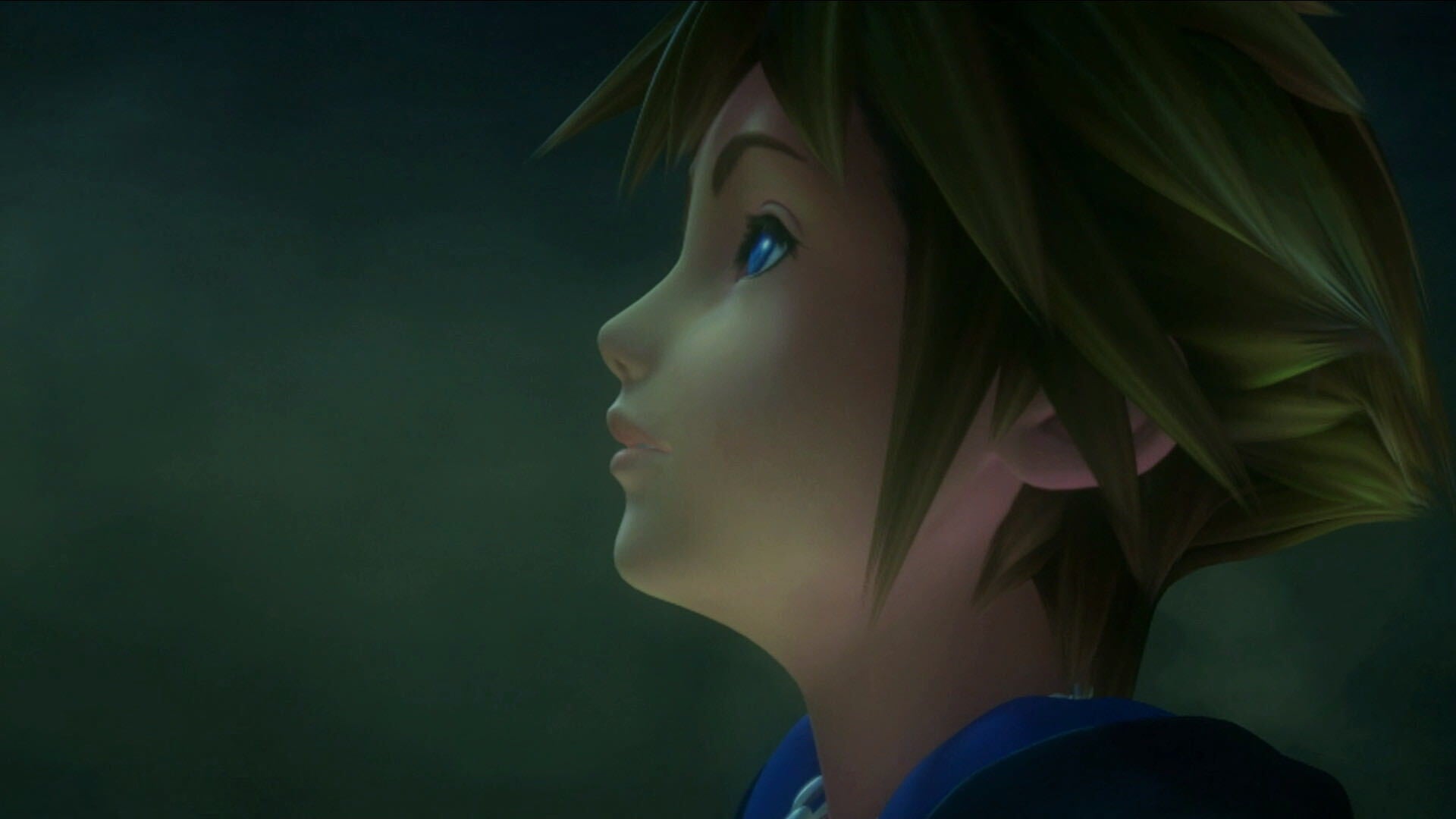
After the cinematic, Sora, the 14-year-old protagonist, falls into darkness and lands on a massive platform decorated with stained glass. The imagery draws directly from Disney films, with Snow White’s likeness adorning the pillars that surround this otherworldly location. At this stage in the game, the player has not encountered a single Disney character, and many hours will pass before any appear in person. Yet this environment exists as something tangible, suggesting that Square Enix was already working with narrative layers that extended beyond simple world-hopping.
The Princess Imagery and Its Purpose
The specific princesses visible on these stained-glass surfaces are not randomly selected. As the Kotaku analysis notes, returns to the Dive to the Heart across the series suggest that these characters’ appearances correspond to sealed hearts. The game presents this as Sora’s dream, an abstract nightmare that somehow contains visual references to characters he has no knowledge of yet. The visual language communicates that something is happening beyond the surface level of events.
An Unexplained Symbolic Space
Players are given no explicit explanation for why they are in this location or what the architecture means. The tutorial proceeds mechanically through combat and system basics while leaving the existential questions unanswered. This withholding of information functions as part of the experience itself, positioning the player in the same uncertain position as Sora, who must navigate circumstances he does not fully comprehend.
The Weapon Selection and Its Hidden Weight
Among the tutorial’s most crucial moments comes a choice that appears straightforward but carries significance the game never articulates. Players must select one item from three options—a sword, staff, and shield—then immediately sacrifice one of the remaining two selections. The interface presents this as mechanical necessity without context or explanation of consequences.
The Unannounced Specialization System
According to Kotaku’s research into the game’s code, this choice determines Sora’s baseline statistics for the entire campaign. The weapon selected and the items forfeited affect which abilities Sora learns and in what sequence those skills become available. Compared to his traveling companions, Sora remains sufficiently versatile to approach any challenge regardless of which path the player takes, but the system nonetheless establishes differentiation without ever naming or explaining what is happening. Square Enix designed a role-playing specialization system and then obscured it within the tutorial’s matter-of-fact presentation.
The Lasting Impact of an Invisible Decision
Many players never learn the mechanical consequences of their choice, encountering instead only the experiential outcome: they have certain abilities available at certain moments, and this shapes their approach to encounters. The design choice mirrors the broader narrative approach Kingdom Hearts employs—presenting consequential decisions without signposting their importance, trusting that meaning will accumulate across the journey rather than through explicit instruction.
Atmosphere and the Collision of Genres
What distinguishes the Dive to the Heart from a standard tutorial sequence is the pervasive tone established through sound design and pacing. A somber choir arrangement accompanies nearly the entire section, playing beneath combat, dialogue, and exploration. This musical choice contradicts what anyone familiar with the licensing arrangement would anticipate when loading a game that promises access to Disney worlds.
Existential Questions for a Teenager
Before leaving the Dive to the Heart, Sora encounters three Final Fantasy characters who pose questions about what matters to him, what he fears, and what he hopes for his future. These are the kinds of philosophical inquiries typically posed in games that explore identity and purpose, not the sort of questions expected in a crossover title marketed toward players who grew up with Disney animation. The characters pose these questions to a 14-year-old who, by any reasonable measure, has not yet needed to grapple with such abstractions. Yet the game insists he do so immediately.
The Dissonance Between Premise and Presentation
Someone approaching Kingdom Hearts expecting a joyful romp through familiar films would experience a jarring disconnect upon encountering this tutorial. The music, the ethereal architecture, the existential questioning, and the ominous sense of impending danger all communicate that something darker shapes the narrative beneath the Disney aesthetic. Square Enix makes this contrast deliberate, signaling through audiovisual language that this series intends more complexity than its premise suggests.
Building Narrative Foundations
Everything in the tutorial serves double duty: teaching mechanical systems while establishing thematic concerns. The princesses in the stained glass, the unexplained weapon choice, the philosophical questioning—none of these elements are coincidental. Square Enix structured the opening to plant seeds that would grow across decades of storytelling.
Foreshadowing Through Dream Logic
The framing of this section as Sora’s nightmare creates space for symbolism that would otherwise feel disconnected. The game can show him visions of characters he has not met because he is dreaming, and within that dream, the rules of narrative plausibility operate differently. This structure allows Kingdom Hearts to establish its complicated relationship with canon and causality from the very beginning.
The Darkside Encounter
The nightmare culminates in a battle against a creature called Darkside, an iconic boss that reappears throughout the series. The fight itself presents a manageable challenge, well within the player’s newly developed abilities. Yet despite victory, the creature swallows Sora whole in shadow. This ending—winning yet losing, accomplishing the immediate objective only to face something beyond the player’s capacity to prevent—encapsulates the central tension of the narrative that follows. Sora triumphs in individual contests while remaining unable to alter the larger forces that consume him.
The Opening’s Enduring Design Legacy
Replaying the sequence nearly two decades after its original release, Kotaku notes that the tutorial demonstrates remarkable foresight about what the Kingdom Hearts series would become. The mystery surrounding the princesses, the thematic weight despite the Disney branding, the hidden mechanical depth—these elements establish patterns that persist across sequels and spin-offs. Whether Square Enix possessed a complete vision for a 25-year saga at this point remains unclear, but the structure was in place to accommodate whatever scope the story would eventually demand. The opening does what enduring game tutorials accomplish: it teaches systems while simultaneously teaching players how to read the work itself.
Source: Kotaku
Frequently Asked Questions
What happens during Kingdom Hearts' weapon selection tutorial choice?
Players choose between a sword, staff, and shield, then must sacrifice one of the two remaining items. According to Kotaku's analysis, this choice determines Sora's baseline statistics and the order in which he learns skills throughout the game, establishing a hidden specialization system the game never names or explains.
Why does the Dive to the Heart tutorial feature Disney princesses Sora hasn't met?
The Dive to the Heart is framed as Sora's nightmare, allowing the game to use dream logic to show him visions of characters he has not encountered. The specific princesses shown appear to be related to sealed hearts according to the series' mythology, planting symbolic seeds that gain meaning across the 25-year narrative.
What is Darkside in Kingdom Hearts?
Darkside is the boss that concludes the Dive to the Heart tutorial sequence. Though not mechanically difficult, Darkside swallows Sora in darkness despite the player defeating it, establishing a thematic pattern where Sora achieves individual victories while remaining unable to prevent larger forces from overwhelming him.
