
Key takeaways
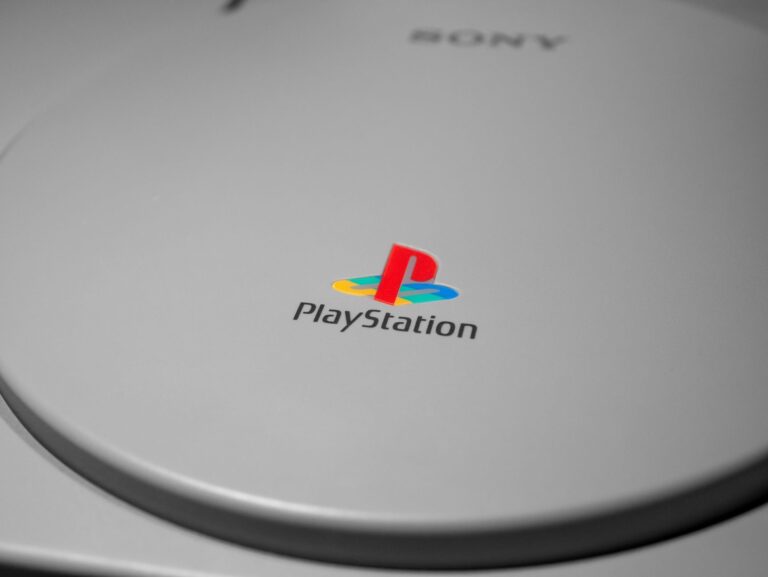
- Sony Computer Entertainment entered the video game market in 1994 with the PlayStation, a decision that surprised industry observers who viewed the company primarily as an electronics manufacturer.
- PlayStation’s software library became its greatest asset, with developers creating games that showcased the console’s 3D capabilities and processing power in ways that captivated audiences.
- The PlayStation 2, released in 2000, built upon its predecessor’s momentum by introducing DVD playback functionality, which provided value beyond gaming and accelerated household adoption rates.
- The PlayStation 3, launched in 2006, introduced the Cell processor, a complex multi-core architecture designed to handle sophisticated calculations for graphics and physics simulation.
The PlayStation brand stands as one of the most influential forces in interactive entertainment, fundamentally shaping how millions of players engage with video games across three decades. From its debut in 1994 to its current fifth generation, PlayStation has defined industry standards, launched iconic franchises, and driven technological innovation that competitors continue to follow. Understanding this evolution provides essential context for anyone interested in gaming history and the business strategies that built a multi-billion dollar entertainment ecosystem.
The Revolutionary Launch of the Original PlayStation
Sony Computer Entertainment entered the video game market in 1994 with the PlayStation, a decision that surprised industry observers who viewed the company primarily as an electronics manufacturer. The original console featured a 32-bit processor, which represented a significant leap forward from the 16-bit systems that dominated the market at the time, including the Super Nintendo Entertainment System and Sega Genesis. This hardware advantage, combined with Sony’s manufacturing expertise and aggressive third-party developer recruitment, positioned PlayStation to capture market share from established competitors.
The console’s success became undeniable within its first three years of release. By 1997, PlayStation had sold over 6 million units worldwide, and developers including Square (now Square Enix) and Capcom had committed major franchises to the platform. The release of Final Fantasy VII in 1997 became a watershed moment, as this role-playing game demonstrated that PlayStation could host experiences previously associated with Nintendo systems, fundamentally altering player expectations about where premium gaming experiences would appear.
The PS1 Library and Market Dominance
PlayStation’s software library became its greatest asset, with developers creating games that showcased the console’s 3D capabilities and processing power in ways that captivated audiences. The polygon-based graphics rendering (the process of converting mathematical models into visual images displayed on screen) allowed studios to create expansive worlds with unprecedented depth and detail. Franchises like Metal Gear Solid, Resident Evil, and Gran Turismo established themselves as system-sellers, meaning games that motivated consumers to purchase the hardware specifically to play them.
The original PlayStation sold over 102 million units by the time it concluded its lifecycle, making it the best-selling console of its generation and establishing Sony’s dominance in the industry. Games like Crash Bandicoot and Spyro the Dragon created mascot characters that rivaled Nintendo’s established properties, while titles such as Tekken and Street Fighter Alpha 3 attracted the competitive fighting game community. This diverse software ecosystem meant PlayStation appealed to casual players, hardcore enthusiasts, and everyone in between.
PlayStation 2: Establishing Industry Leadership
The PlayStation 2, released in 2000, built upon its predecessor’s momentum by introducing DVD playback functionality, which provided value beyond gaming and accelerated household adoption rates. The console featured significantly improved graphics processing capabilities and a larger hard drive, enabling developers to create more ambitious games with larger file sizes and more complex environments. The introduction of the DualShock 2 controller, which featured analog stick vibration feedback (haptic feedback technology that creates physical sensations through controller vibrations), enhanced immersion and became an expected feature in subsequent gaming hardware.
PS2 achieved extraordinary market penetration, ultimately selling over 155 million units and remaining the best-selling home console in history. Franchises including Grand Theft Auto, Final Fantasy, Metal Gear Solid, and Halo (exclusive to Microsoft’s Xbox) created a software landscape that defined gaming for an entire generation. The 2001 release of Metal Gear Solid 2: Sons of Liberty demonstrated the console’s technical capabilities through sophisticated AI, detailed character models, and cinematic storytelling that influenced industry design philosophies for years afterward.
The PlayStation 3 Era and Online Gaming Evolution
The PlayStation 3, launched in 2006, introduced the Cell processor, a complex multi-core architecture designed to handle sophisticated calculations for graphics and physics simulation. The console featured built-in Blu-ray disc drive technology, establishing Sony’s optical media format as the industry standard during a format war with HD DVD. The inclusion of a hard drive and wireless connectivity enabled PlayStation Network (PSN), a digital platform for online multiplayer gaming, downloadable content, and digital game purchases that transformed how players accessed and experienced games.
The PS3 faced initial challenges due to its high launch price of $599 USD and a smaller game library at release, particularly compared to the Xbox 360 which launched a year earlier. However, exclusive titles including the Uncharted series, The Last of Us, and Metal Gear Solid 4: Guns of the Patriots demonstrated the console’s technical capabilities and attracted dedicated players. The console ultimately sold over 87 million units and established franchises that would define PlayStation’s identity for subsequent generations.
PlayStation 4: The Console Generation Leader
The PlayStation 4, released in 2013, returned to a more straightforward hardware design philosophy, featuring an AMD processor and graphics card that prioritized gaming performance over multimedia functionality. Sony positioned the console as gamer-centric, emphasizing that developers wanted PS4 to succeed and that the company listened to player feedback regarding features and functionality. The console’s relative affordability compared to competitors, combined with its technical capabilities, made it the best-selling eighth-generation console.
PS4 accumulated a library of exclusive titles that shaped the generation’s creative direction, including Bloodborne, Horizon Zero Dawn, God of War, and Spider-Man. The 2016 release of PlayStation VR (virtual reality headset technology that creates immersive three-dimensional environments) demonstrated Sony’s commitment to emerging gaming technologies and provided players with access to VR experiences without purchasing standalone hardware. The console sold over 117 million units, cementing PlayStation’s market leadership and establishing Sony’s digital storefront as the primary platform for game distribution.
PlayStation 5: Current Generation and Technical Innovation
The PlayStation 5, released in 2020, introduced an AMD custom processor featuring an eight-core CPU and a GPU capable of ray tracing (a rendering technique that simulates realistic lighting by calculating light ray paths). The console featured an NVMe SSD (solid-state drive), which dramatically reduced game loading times and enabled developers to design worlds with seamless transitions. The DualSense controller introduced haptic feedback refinements and adaptive triggers that provided varying resistance based on in-game actions, creating tactile feedback that enhanced player immersion.
PS5 titles including Demon’s Souls, Ratchet & Clank: Rift Apart, and Final Fantasy XVI showcased the hardware’s capabilities through detailed environments and sophisticated AI systems. The console’s architecture enabled faster load times than previous generations, with some games loading in seconds rather than minutes. PlayStation Plus, Sony’s subscription service offering access to a growing library of games, expanded the platform’s value proposition and created recurring revenue streams that supplemented hardware and software sales.
Frequently Asked Questions
What made the original PlayStation successful against established competitors?
The original PlayStation combined superior 32-bit hardware with aggressive third-party developer recruitment and manufacturing expertise that competitors couldn’t match. Sony’s ability to secure major franchises like Final Fantasy and establish new exclusive properties created a software library that justified hardware purchase, fundamentally shifting market dynamics in its favor.
How did PlayStation Network change gaming?
PlayStation Network introduced digital distribution, online multiplayer gaming, and cloud storage to PlayStation platforms, transforming how players accessed and played games. The service created recurring revenue opportunities through subscriptions and digital sales while enabling developers to deploy patches and additional content after launch, establishing industry practices that persist across all gaming platforms today.
What technological advantages does PlayStation 5 offer?
PlayStation 5’s custom SSD architecture enables significantly faster load times and allows developers to design worlds without load screens, while ray tracing capabilities and the DualSense controller’s advanced haptic feedback create more immersive gaming experiences. These technical innovations influenced how other platforms approached hardware design and established new expectations for player experience quality.
The PlayStation brand’s evolution from 1994 to the present demonstrates how consistent hardware innovation, strategic third-party partnerships, and commitment to player experience create lasting market leadership. Each generation built upon its predecessor’s foundation while introducing new technologies that expanded gaming possibilities, establishing PlayStation as the entertainment industry’s benchmark for interactive entertainment.
