
Key takeaways
- Square Enix removed the 14-day time limit and raised the level cap from 50 to 75 for Final Fantasy XI's free trial, the first major update to the trial in years.
- Free players still cannot trade, use the auction house, or create parties, maintaining clear differences from Final Fantasy XIV's significantly more generous free trial.
- The 2002 MMORPG experienced renewed player interest in 2025 after Final Fantasy XIV introduced new quests that connected to its narrative, making the trial upgrade timely.
- The change addresses one of the longest-running criticisms of Final Fantasy XI's accessibility compared to its more famous successor.
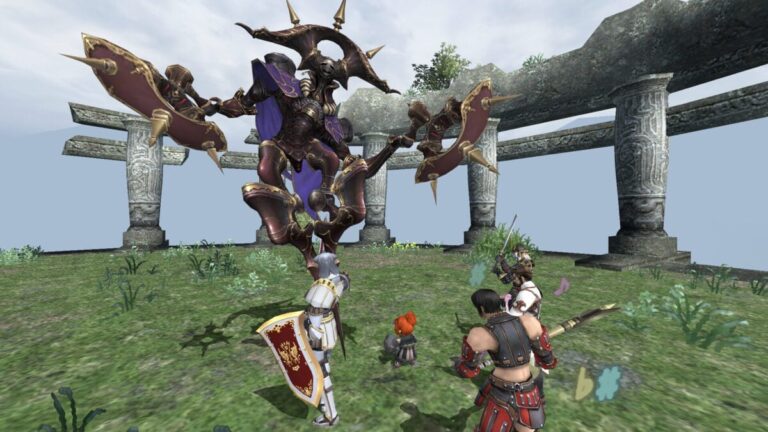
After more than two decades of complaints that its free trial was unreasonably restrictive, Final Fantasy XI is finally getting a meaningful upgrade. Square Enix has revamped the trial for its 2002 MMORPG, removing the 14-day time restriction and raising the level cap from 50 to 75, giving prospective players substantially more room to explore the game without immediately confronting a paywall. The change addresses one of the most persistent criticisms the game has faced from newcomers comparing it to its more famous successor.
A Trial Stretched to Level 75
The previous free trial for Final Fantasy XI allowed new players to create a single character and progress to level 50, but only within a 14-day window. Once that clock ran out, access ended unless players committed to a monthly subscription. This stark limitation stood in sharp contrast to Final Fantasy XIV’s free trial, which offers no time restrictions and allows players to progress much further through the base game content. The discrepancy became a recurring topic of jest among the gaming community, with players frequently comparing XI’s meager offering to XIV’s generosity.
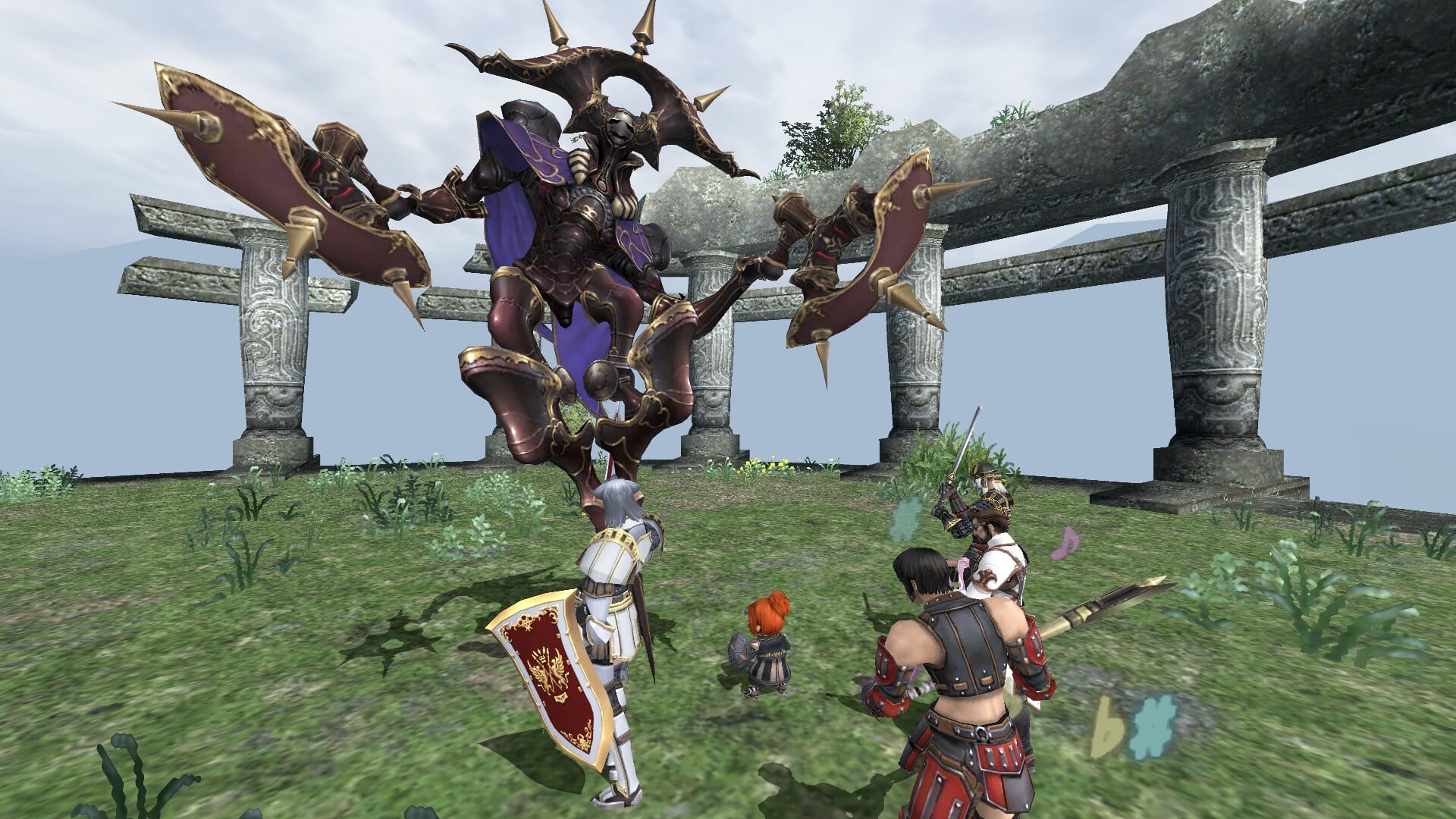
The new trial structure eliminates both barriers that previously restricted access. There is no time limit, meaning players can take as long as they wish to reach level 75. The level 75 cap opens up substantially more content and gameplay systems than the previous level 50 ceiling, including access to more complex dungeons, quests, and social features that exist at higher character levels. For a 24-year-old game, reaching level 75 provides a meaningful window into what makes the title memorable to its longtime community.
Restrictions Still Protect the Paying Model
Limits on Economy and Social Features
Despite the improvements, the free trial remains firmly gated compared to a full subscription. Square Enix has maintained several guardrails to preserve the distinction between free-to-experience and paying accounts, ensuring that committed players enjoy clear advantages that justify their investment.
- Free players are confined to base game content only and cannot access any of the five expansion packs
- In-game currency (gil) is capped at a maximum of 100,000, preventing wealth accumulation
- Trading with other players is disabled, as is access to the auction house
- Players can participate in parties formed by others but cannot create parties themselves
Comparing to Final Fantasy XIV’s Generosity
Collectively, these restrictions mean free players experience Final Fantasy XI in a fundamentally different way than subscribers. They cannot engage with the player-driven economy, which has been central to MMO gameplay for decades. They cannot access the narrative and content expansions that have evolved the game since 2002. The party creation restriction limits coordination with other free players, nudging them toward grouping with subscribers or paying to unlock full access.
Even with these improvements, the new trial still lags significantly behind Final Fantasy XIV’s offering, which provides access to story content spanning multiple expansions and includes full economic player-to-player interactions without time limits or subscription barriers.
Two Decades of Evolution
From PlayStation 2 to PC
Final Fantasy XI launched in 2002 as a PlayStation 2 exclusive, marking Square Enix’s first venture into the online role-playing game space during the era when World of Warcraft and other landmark titles were establishing the genre’s foundational principles. A PC port arrived within months, followed eventually by an Xbox 360 version in 2006. Console support for both the PS2 and Xbox 360 versions ended in 2016, shifting the game’s focus entirely to PC and allowing Square Enix to streamline development and server operations.
Five Expansions and Ongoing Updates
Over its lifespan, the game has accumulated five major expansion packs and eight additional scenarios, with the latest arriving just a few years ago. Few MMOs from the PS2 era remain in operation, and fewer still receive ongoing updates. This attests to the modest but continuous support Square Enix provides to the title.
Renewed Attention From FFXIV Crossover
Interest in Final Fantasy XI received an unexpected surge in 2025 when Square Enix added new quests to Final Fantasy XIV that connected to the narrative and world of the original game. This crossover-style content drew players back to XI and exposed newer audiences to the aging MMORPG, demonstrating that the two games’ communities remained intertwined despite their vastly different technological generations and audience sizes. The quests served as a bridge between the franchises, giving current FFXIV players a reason to revisit its predecessor.
That resurgence underscores why the free trial revision arrives at a critical moment. Fresh narrative connections between the two games gave players a reason to explore the original beyond pure curiosity, and now the expanded trial removes the friction that previously discouraged them from doing so.
Long-Term Prospects for an Aging Game
The Challenge of Aging MMOs
A quarter-century-old MMORPG operating on modest development resources faces constant competition for players’ time and attention. According to Kotaku, the fact that Final Fantasy XI still maintains an active player base speaks to the genuine affection longtime fans harbor for the game, despite its dated presentation and mechanical design that contrasts with modern MMO expectations.
Removing Entry Barriers
Removing friction from the onboarding process is a logical step toward growth. By making it easier for curious players to experience the game without artificial time pressure or arbitrary level caps, Square Enix creates opportunities for those players to understand what makes the title meaningful to its dedicated community. Some will decide the old-school gameplay and presentation are not for them. Others may discover that the game’s design, while archaic by modern standards, preserves gameplay elements and design philosophies that newer MMOs have abandoned.
Can It Compete?
Changes like this cannot guarantee a renewal of interest that would rival Final Fantasy XIV’s massive player base, particularly given that XIV itself competes for the same audience. But they remove one of the primary reasons prospective players would dismiss the game outright: being forced to make a purchasing decision before truly understanding what the game offers and whether its particular style of gameplay resonates with them.
Source: Kotaku
Frequently Asked Questions
What are the new limits for Final Fantasy XI's free trial?
Players can now reach level 75 with no time limit, up from the previous level 50 cap with a 14-day restriction. Free players still cannot access expansions, trade with others, use the auction house, or create parties.
How does Final Fantasy XI's free trial compare to Final Fantasy XIV's?
Final Fantasy XIV's trial is significantly more generous, offering access to story content across multiple expansions and full player-to-player economic interaction with no time limits. Final Fantasy XI limits free players to base game content only and restricts trading and currency accumulation.
When was Final Fantasy XI originally released?
Final Fantasy XI launched in 2002 as a PlayStation 2 exclusive MMORPG, with a PC port arriving months later and an Xbox 360 version released in 2006. Console services ended in 2016, though the game continues on PC.
