

Key takeaways
- CD Projekt Red deployed two major hotfixes within hours of launch, restoring DLSS functionality and correcting lighting inconsistencies between PC and console versions.
- A bloom lighting fix is confirmed for an upcoming update after players universally disabled the overly bright effect that made visuals appear washed out.
- Community response remains divided on the remaster's new path tracing graphics, with some players preferring the original version to the overhauled visuals.
- Additional issues including stuttering, screen tearing, and performance problems in specific areas like Toussaint remain unaddressed in current patches.
The Witcher 3: Wild Hunt Remastered launched to mixed reception just days ago, and CD Projekt Red has already moved into active crisis management with two major hotfixes deployed in rapid succession. The studio has committed to additional patches addressing problems that undermined the remaster’s debut across PlayStation 5, Xbox Series X|S, and PC platforms. The speed and scale of these immediate post-launch deployments signals both the urgency of discovered problems and the inherent complexity of shipping a visual overhaul of this magnitude across three distinct hardware architectures simultaneously.
Addressing Platform-Specific Issues
The DLSS Fix
The initial hotfix resolved what CD Projekt Red deemed the most pressing concern: DLSS was completely unavailable in the Xbox Play Anywhere version on PC. For Windows players, this represented a critical accessibility problem, as upscaling technology has become essential for achieving playable framerates without sacrificing image quality. DLSS allows modern graphics to run at lower resolution and be upscaled intelligently, stretching available performance budgets. Its absence in the Xbox Play Anywhere version meant PC players accessing the game through Microsoft’s storefront were locked out of this crucial optimization tool. Restoring the feature was non-negotiable.
Lighting Inconsistencies
The same patch tackled lighting inconsistencies that emerged between console and PC versions. The Remastered version appeared noticeably darker in interior environments on PlayStation 5 and Xbox Series X|S compared to how it rendered on PC, creating a disorienting and unintended experience for console players. The studio adjusted interior brightness and normalized overall lighting behavior to match the PC presentation. This represented a fundamental correction rather than optional polish, suggesting the initial release shipped with configuration errors rather than simple preference choices during development.
PC-Specific Emergency Deployment
Within hours, CD Projekt Red deployed a second substantial update exclusively for the PC versions available on Steam, GOG, Epic Games Store, and Xbox Play Anywhere. The patch, approximately 5GB in size, addressed multiple system-level issues including a voiceover bug and save file corruption. The inclusion of both audio and progression-blocking fixes indicates developers were responding to problems directly affecting player experience rather than cosmetic annoyances that could wait for future updates.
The rapid succession of two major patches within a single day suggests either that unexpected problems emerged during early access periods that testing did not catch, or that the sheer scale of the player base revealed edge cases developers had not anticipated. Either scenario underscores how differently a game behaves when millions of players interact with it simultaneously compared to controlled pre-release environments.
The Bloom Problem and Community Response
Understanding Bloom
One of the most visible ongoing technical issues is the bloom lighting setting, which CD Projekt Red acknowledged but has not yet corrected. Community director Marcin Momot stated that a fix is in active development with hopes for inclusion in the next update, though no specific timeline was provided. The bloom problem carries particular weight because it affects every player’s experience and is actively worsening their perception of the remaster’s visual quality. Players have uniformly been disabling the feature since launch, describing it as rendering the entire presentation washed out.
Bloom effects in modern game rendering simulate how light spreads through camera lenses, adding luminosity and glow to bright areas. When properly calibrated, the effect is subtle and enhances perceived realism. When overtuned, it degrades contrast, desaturates colors, and creates the exact washed-out appearance players report experiencing. That CD Projekt Red set the default bloom value high enough to prompt near-universal disabling suggests either significant miscalibration or a fundamental mismatch between the developers’ visual intent and player expectations of how the world should appear.
The same update roadmap includes an audio issue for console versions awaiting fixes, though specifics about the sound problem were not disclosed by the studio. If audio functionality is compromised on PlayStation 5 or Xbox Series X|S, that constitutes another substantial category of problems requiring developer attention beyond the visual domain.
Broader Technical Complaints
Official patch announcements generated comment threads filled with additional complaints lacking announced corrections. Players reported stuttering and screen tearing on PlayStation 5, with particular frustration directed at the performance mode implementation in specific areas like Toussaint, where new lighting and shadow systems apparently create performance bottlenecks. The variety and specificity of these complaints suggest they represent targeted technical issues rather than widespread showstopper bugs, each requiring individual developer attention. The sheer volume indicates the remaster shipped with more rough edges than the studio anticipated.
The Graphics Overhaul and Its Reception
Path Tracing Technology
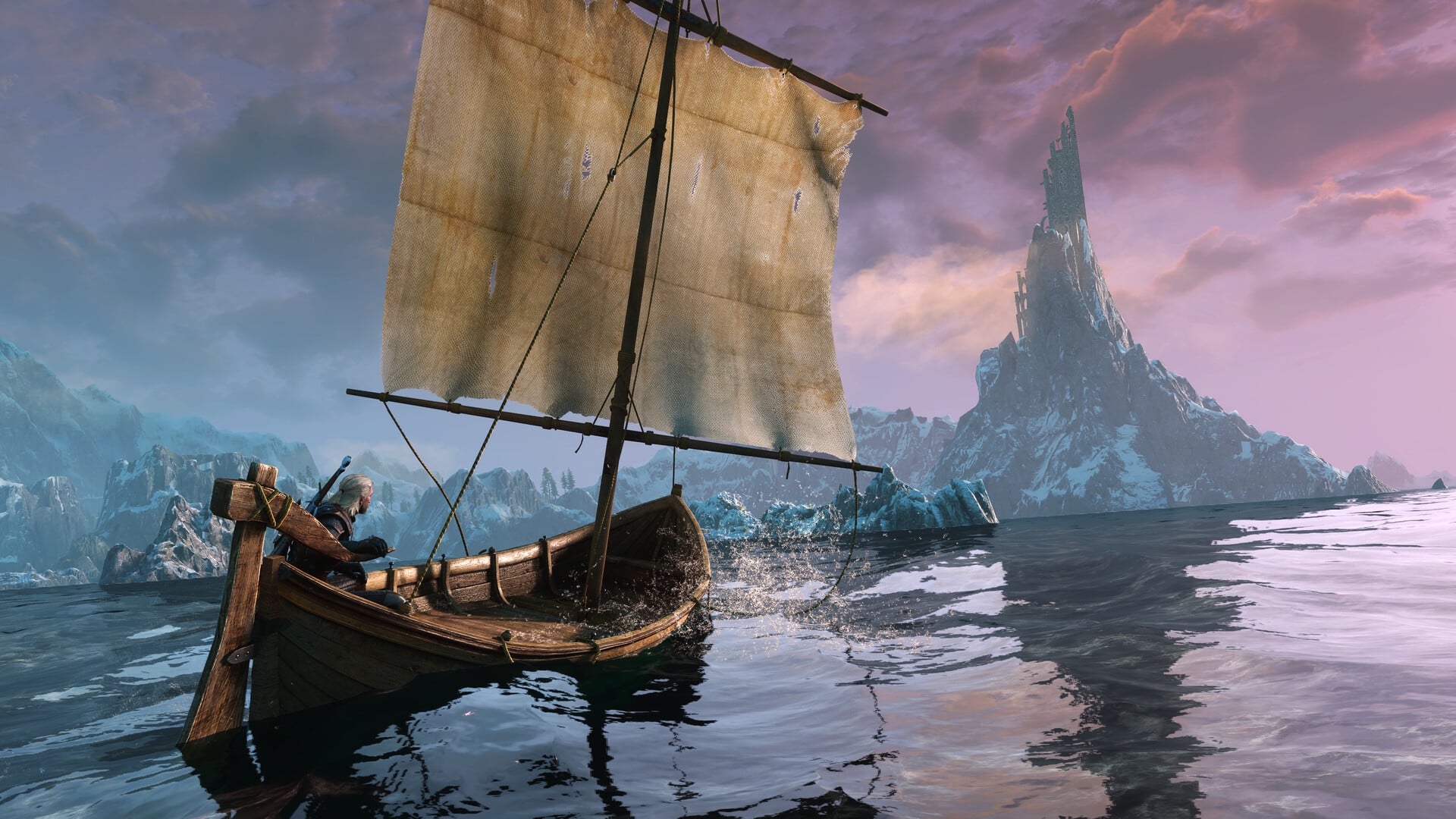
The remaster’s most visible change is its revamped graphics engine, featuring new path tracing technology that fundamentally alters how light behaves throughout the world. This technological shift has become the central point of community contention since launch. Some players have expressed dissatisfaction severe enough that they prefer the pre-remaster version. Whether this backlash reflects genuine implementation problems with the new technology, or whether it stems from personal preference regarding visual style and artistic direction, remains unclear within the community. The divided reaction suggests both factors may be at play.
Path tracing computationally simulates individual light rays bouncing throughout a scene, producing exceptionally realistic lighting behavior that traditional rasterization techniques cannot replicate. When implemented skillfully, path tracing creates visual depth and authenticity that can transform a game’s appearance. When implemented poorly or tuned too aggressively, it introduces visual artifacts, unnatural color shifts, and severe performance problems. The community’s division suggests CD Projekt Red may not have achieved optimal balance between visual fidelity and stability across all hardware configurations, or that the artistic choices made during implementation do not align with player preferences.
Road Ahead
CD Projekt Red’s immediate priority will be resolving the bloom issue, which touches every player’s experience regardless of platform or personal preference. The console audio fix follows as the secondary priority. Beyond these announced corrections, the studio has not detailed how it will address the broader categories of performance complaints, lighting inconsistencies in specific geographic areas, or the fundamental questions about whether the visual overhaul achieved its intended artistic goals.
The pace of hotfix deployment demonstrates the studio recognizes the severity of launch problems and intends maintaining momentum toward resolution. Whether subsequent updates will restore player confidence, or whether a segment of the community will permanently prefer the original version, will depend on both the quality and scope of fixes arriving in coming weeks. The remaster’s ultimate trajectory will be determined not by the problems that emerged, but by how completely CD Projekt Red can address them.
Source: Kotaku
Frequently Asked Questions
What were the main issues addressed in the first Witcher 3 Remastered hotfix?
The first hotfix restored DLSS functionality to the Xbox Play Anywhere version on PC and brightened interior environments while adjusting overall lighting to match PC visuals on console platforms.
When will the bloom lighting issue be fixed?
CD Projekt Red stated it hopes to have the bloom adjustment ready for the next update, but community director Marcin Momot did not provide a specific release date.
Why have players been disabling the bloom effect?
Players describe the bloom effect as making the game's visuals appear washed out, so they have been turning it off since launch to improve the visual presentation.
