
Key takeaways
- Final Fantasy Resonance experimentally combines the job system from Final Fantasy V with the unique character traits of Final Fantasy VI, blending legacy mechanics with contemporary customization.
- The Visions system allows players to summon characters from across the entire Final Fantasy franchise timeline, from FF1 through FF16, drawing from a concept originally introduced in Brave Exvius.
- The game's story maintains Brave Exvius' core narrative while balancing its notably grim tone with interspersed neutral and positive scenes, integrating character episodes directly into the main plot.
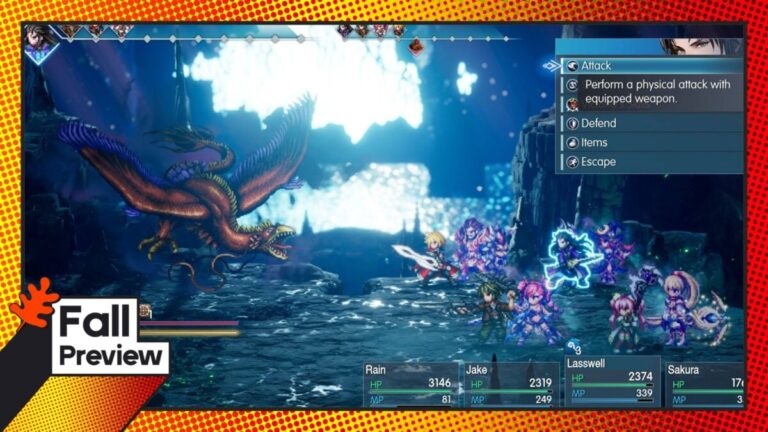
Final Fantasy Resonance represents a deliberate return to turn-based combat for Square Enix after years of the franchise embracing action-oriented gameplay. As an adaptation of the mobile game Brave Exvius, developed co-operatively by Square Enix’s Team Asano, the project follows a path similar to Octopath Traveler 0—another mobile title transformed into a substantial console release. The game maintains Team Asano’s signature HD-2D visual style, layering retro 16-bit sprites over contemporary graphical effects, creating an aesthetic that bridges gaming’s past and present.
The Combat System as Deliberate Experiment
At Resonance’s mechanical foundation lies a design concept rooted in franchise history. Producer Keisuke Nakashima described the core premise to Kotaku: “The first concept we had in mind, simply put, is what if we take the job system from Final Fantasy 5 and the unique characteristics of each character in Final Fantasy 6, what would that look like?” The question reflects the team’s desire to synthesize mechanics from two era-defining entries.
Merging Job Systems with Character Identity
Implementing this concept required substantial innovation. The combination of FF5’s flexible job system—which allows characters to change roles and abilities—with FF6’s approach of characters possessing permanent, distinct traits had never been attempted in the series. Nakashima emphasized the exploratory nature of this work: “This type of experiment hasn’t been done in the past, so it required a bit of research and innovation.” The result maintains distinct character identities through locked abilities while preserving the customization flexibility that modern players expect from progression systems.
Integration with the Stagger System
The team incorporated the stagger system—a mechanic that gained prominence in later Final Fantasy entries—into this hybrid framework. According to Nakashima, the development process involved reexamining how these legacy elements could function together cohesively. The final product allows players to leverage both permanent character strengths and flexible job-based customization, creating multiple valid approaches to combat encounters.
Visions and Cross-Series Representation
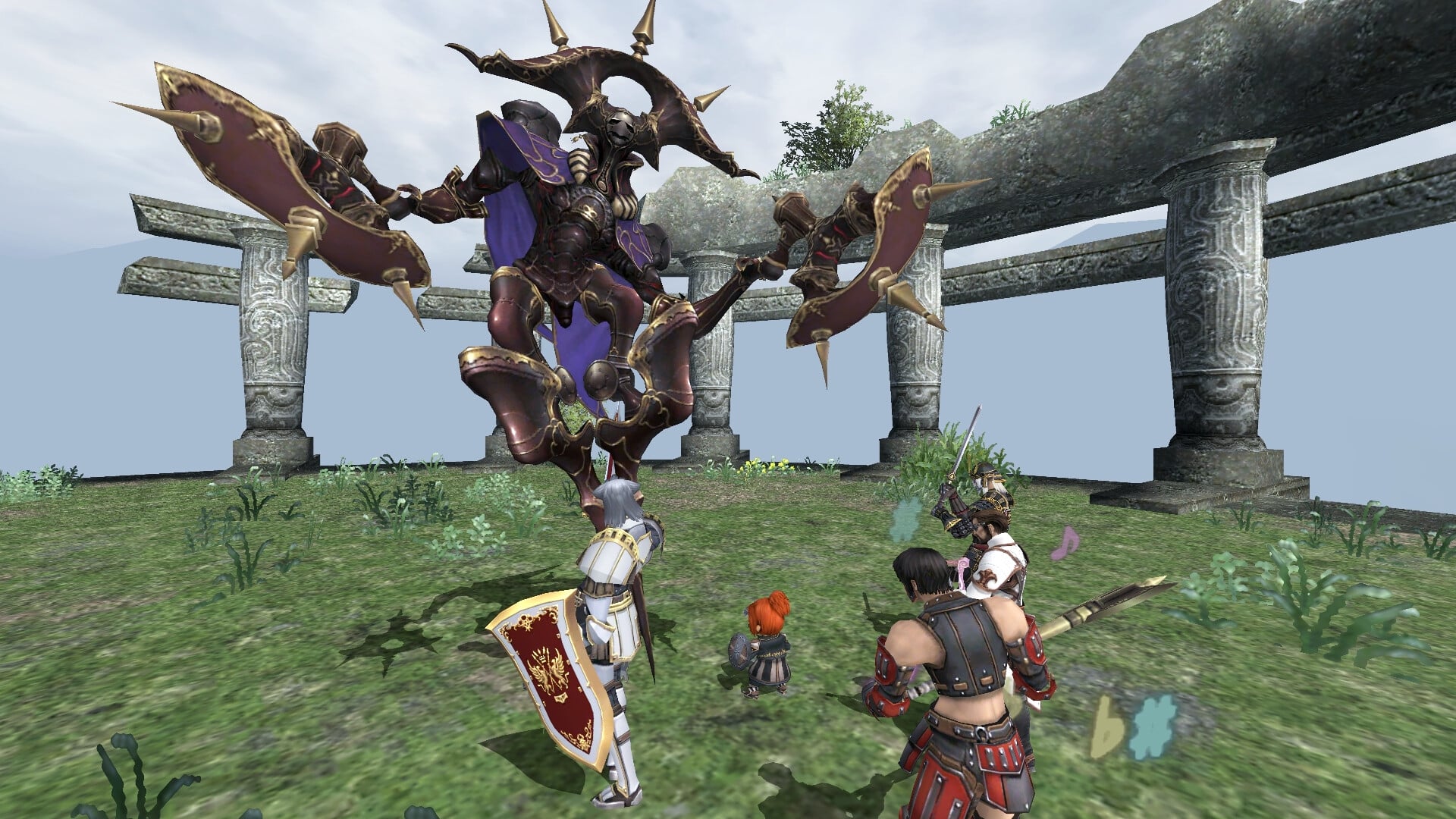
Among Resonance’s most distinctive features is the Visions system, which functions as summonable characters that can be equipped as active abilities in battle. These Visions draw from the entire Final Fantasy franchise timeline, spanning from the original Final Fantasy through Final Fantasy XVI. The concept originated in Brave Exvius, where Visions served narrative and mechanical purposes within the gacha game’s framework.
A Strategic Inclusion After Deliberation
The presence of these cross-series characters in Resonance was not inevitable. Director Hiroto Furuya disclosed to Kotaku that the team seriously considered excluding them during development. “There was a time in development where we explored leaving the Final Fantasy series characters out. However, we ultimately landed on incorporating them, even though there is difficulty in intermixing their worldview with ours,” he explained. The decision hinged on spectacle and player appeal. Furuya elaborated on what ultimately convinced the team to retain Visions: “When you go back to the point of how cool it would be to use Cloud’s Cross-Slash, and the bombastic CG sequences, it really delivers on the spectacle and fun that we were drawn to.” The emotional impact of familiar abilities and characters proved persuasive, overriding concerns about narrative cohesion.
Adapting Brave Exvius for Single-Player
The narrative framework of Brave Exvius remains the structural foundation for Resonance, though the team made targeted adjustments to serve a different game format. According to Nakashima, the original mobile game earned recognition for a particularly grim narrative, featuring numerous scenes he characterized as “negative” in tone. Rather than altering the plot wholesale, the developers took a measured approach.
Rebalancing Narrative Tone
“We’ve maintained the overall storyline. However, we’ve incorporated more neutral scenes or positive scenes and interspersed them to kind of balance it,” Nakashima said. This strategy preserved the emotional weight of the story while preventing the narrative from sustaining unrelenting darkness across the entire experience. The additions function as tonal counterweights rather than fundamental plot changes.
Weaving Character Episodes into Main Narrative
The gacha structure of Brave Exvius created a specific organizational challenge for adaptation. Originally, individual character backstories played out through separate “episodes” accessible outside the main campaign, allowing players to engage with character development on their own schedule. In Resonance, the developers needed to integrate these narratives directly into the primary story progression. Nakashima highlighted two examples of this integration: the Esper Siren and Grandshelt knight Emma both received expanded roles in Chapter 1. Their previously isolated character arcs, which existed as optional side content in the mobile version, now flow directly into the main plot. This approach allows players encountering these characters for the first time to experience their stories as natural narrative progression rather than optional detours. Beyond these integration adjustments, the development team added entirely new animated sequences for key story moments. These high-production cutscenes deliberately reference the CG cinematography that defined earlier Final Fantasy titles during pivotal scenes.
Technical Innovation in Presentation
Creating cinematic moments within the HD-2D framework required unconventional technical solutions. The process, as Furuya explained to Kotaku, proceeded through distinct technical layers. The foundation began with a three-dimensional environment rendered in modern graphics technology. Pixel-based character sprites were positioned within that 3D space, followed by dynamic camera work choreographed to move through scenes dramatically.
Pixel and Camera Coordination
To maintain visual coherence as cameras moved, the team employed a technique matching character movements with pixel replacement, ensuring that sprite animation synchronized with camera motion to create a unified sense of three-dimensional depth. “We created it in a way where, following the character movements, we replaced the pixels so it would kind of match the movement of the cameras to create that dynamic 3D feel,” Furuya stated. Once motion composition and scene framing were established, post-processing effects were applied, including lighting, blur, and shadow work. This comprehensive utilization of 3D technology, combined with the pixel aesthetic, produced the distinctive visual blend visible in publicly available demonstrations.
HD-2D’s Uncertain Future
Final Fantasy Resonance’s visual approach differs notably from typical HD-2D productions, potentially suggesting new directions for the emerging style. However, Nakashima resisted the interpretation that this project represents a template for future HD-2D development. “When we’re looking at the HD-2D team, or teams working on those titles, none of us believe that we should replicate the same visual experiences, meaning we need to provide fresh, new experiences,” he said. Yet he acknowledged potential secondary effects on the field. “However, when we’re looking at the event scenes we’ve introduced for Final Fantasy Resonance, I feel it does add a little pressure to HD-2D games,” Nakashima added with a laugh, suggesting that the technical achievements in Resonance’s cutscenes might raise expectations across the genre.
Design Philosophy: Honoring History While Embracing Modernity
The developers approached Resonance with a philosophical framework shaped by simultaneous engagement with franchise history and contemporary gaming standards. Furuya articulated this balance to Kotaku: “As a foundation, it’s very important [for us that] we have knowledge of Final Fantasy’s history and its past. But we’re also gamers at heart, so of course we play the latest games that are available outside of Final Fantasy. We have the sensibility of knowing Final Fantasy’s history, as well as the general feeling of playing more modern games.” This dual perspective manifested across multiple design dimensions, from the combat system’s hybrid structure to the story’s tonal rebalancing. Rather than discarding the source material or leaving it unexamined, the team adopted an additive approach—expanding certain locations, implementing new scenes, and refining existing elements while preserving what Brave Exvius established. The result represents a calculated effort to honor what made the mobile game compelling while addressing the design expectations of players accustomed to contemporary single-player RPG experiences.
Source: Kotaku
Frequently Asked Questions
What combat system does Final Fantasy Resonance use?
The game combines the job system from Final Fantasy V with the unique character traits from Final Fantasy VI, incorporating a stagger system. Producer Keisuke Nakashima described it as an "experiment" that maintains distinct character identities while allowing customization flexibility.
What are Visions in Final Fantasy Resonance?
Visions are summonable characters equipped as active abilities in battle, drawn from the entire Final Fantasy franchise timeline from FF1 through FF16. They nearly didn't make the final cut during development but were retained for their spectacle and appeal, particularly the visual impact of abilities like Cloud's Cross-Slash.
How has the story changed from Brave Exvius to Resonance?
The core narrative remains intact, but developers added neutral and positive scenes to balance the original game's notably grim tone. Character episodes that were originally separate content have been integrated directly into the main story progression, with examples including the Esper Siren and Grandshelt knight Emma in Chapter 1.
