
Key takeaways
- Eiji Aonuma received the French Order of Arts and Letters for his storytelling that gives players space for imagination and agency.
- He has been producer on every mainline Zelda game since directing Ocarina of Time for Nintendo 64, guiding the franchise through decades of artistic reinvention.
- Video game creators now receive formal cultural distinction alongside traditional artists, with Shigeru Miyamoto honored in 2006 and Sandfall Interactive becoming the first entire studio to receive the knighthood in 2026.
Eiji Aonuma, the longtime producer of The Legend of Zelda series, has received the title of Knight of the Order of Arts and Letters from the French Ministry of Culture. The ceremony took place this week, with Minister of Culture Catherine Pégard presenting Aonuma with his medallion.
In her remarks, Pégard characterized Aonuma as “a storyteller who always leaves room for the player’s imagination” and thanked him for inspiring children across the world to dream through his work. Aonuma responded with a statement prepared in French, addressing his wife in the audience and encouraging fans to “continue this adventure together.”
The French government announced the honor in 2023, with the formal ceremony occurring this week. Aonuma shares his class with jazz musician Kenny Garrett, actress Richa Chadha, and Rumiko Takahashi, creator of the manga and anime series Ranma 1/2.
From Director to Cultural Icon
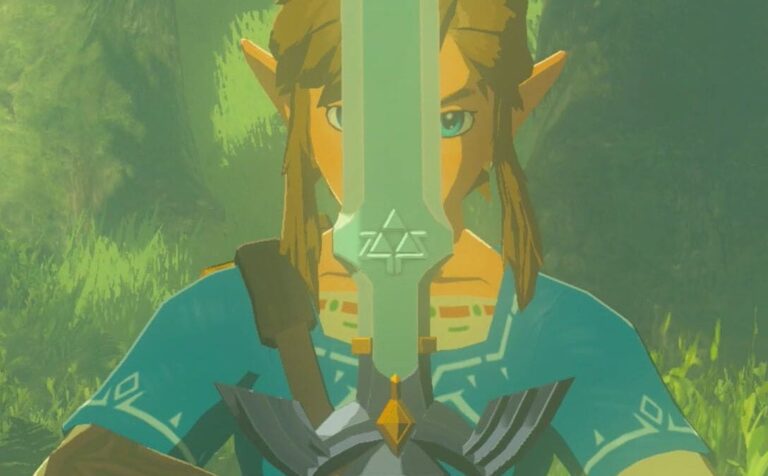
Aonuma joined Nintendo in 1988, but his role as director on The Legend of Zelda: Ocarina of Time for the Nintendo 64 became the defining moment of his career. That assignment set the trajectory that would follow across three decades. Since Ocarina of Time, he has served as producer for every mainline entry in The Legend of Zelda franchise, alongside most of its spin-offs, guiding the hero of time through multiple console generations and technological shifts.
His work as producer spans from the Nintendo 64 era through contemporary gaming platforms. He guided Wind Waker through its stylistic departure on GameCube, oversaw Breath of the Wild’s fundamental reimagining of Zelda design philosophy on Switch, and helmed the N64 remake of Ocarina of Time for the current generation. This progression from directing Zelda’s transition into three dimensions through to reinterpreting that foundational game decades later demonstrates both his central importance to the franchise and his appetite for artistic reinvention.
Design Philosophy: Player Agency and Imagination
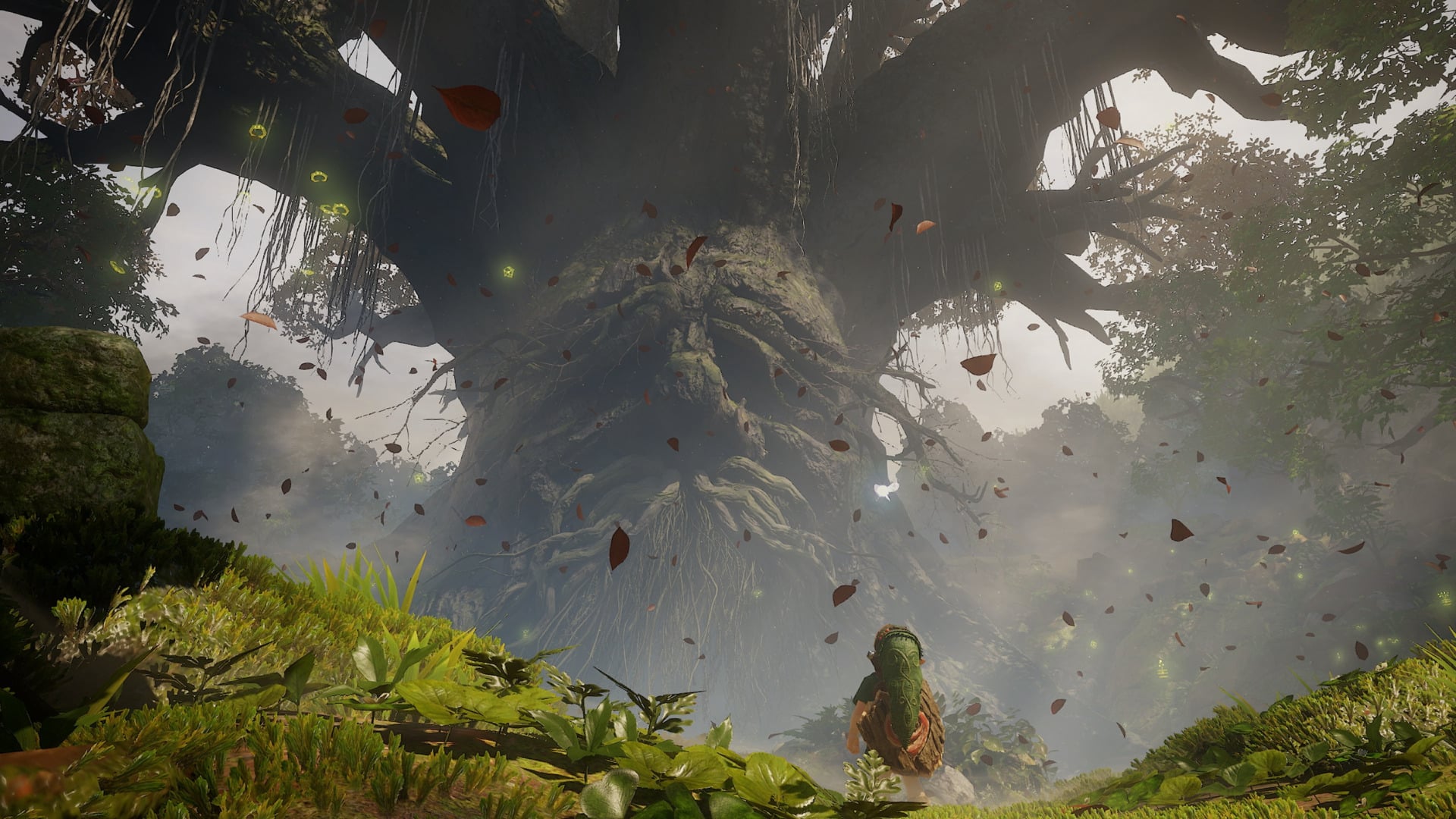
A defining characteristic of Aonuma’s approach to interactive design is the space he creates for player interpretation and agency. Rather than constructing linear, predetermined narratives, his games have consistently offered players room for meaningful choice and interpretation in constructing their own experience.
Ocarina of Time and 3D Design
Ocarina of Time pioneered mainstream 3D action-adventure design at a historical moment when the gaming industry was still determining how to translate established 2D gameplay into three-dimensional space.
Stylistic Choices and Artistic Direction
Wind Waker rejected the photorealistic aesthetic that dominated industry direction at the time, embracing cel-shading as a deliberate artistic statement despite commercial pressure toward realism.
Open-Ended Design and Player Freedom
Breath of the Wild abandoned the linear progression structure that had defined The Legend of Zelda across multiple decades, allowing players to tackle the main narrative, side content, and exploration in any sequence they preferred.
These successive departures from established conventions reveal a designer committed to artistic reinvention rather than formula repetition, while maintaining thematic and mechanical identity across decades of work.
The Order of Arts and Letters: Recognition Across Media
The Order of Arts and Letters, formally the Ordre des Arts et des Lettres, is a French governmental distinction recognizing contributions to arts and culture. Unlike many honors tied to specific citizenship or institutional membership, this knighthood can be awarded to artists regardless of nationality, allowing it to encompass diverse international creative disciplines.
Game developers have received this honor before, though they remain less represented than recipients from traditional arts fields. Shigeru Miyamoto, Nintendo’s legendary designer and Aonuma’s longtime contemporary, received the same title in 2006. Peter Molyneux, the British designer known for franchises including Populous and Black & White, was honored in 2007. This year represents a historic moment: Sandfall Interactive, the studio behind the action game Clair Obscur: Expedition 33, became the first entire game development studio to receive the knighthood collectively.
Aonuma’s recognition reflects a gradually expanding institutional perspective that positions video games alongside film, literature, music, and visual art as mediums warranting cultural distinction.
A Career of Sustained Impact
Aonuma’s remarks in French during the ceremony, where he thanked his wife for her companionship throughout his career, added personal resonance to the formal recognition. His choice to address the audience in his adopted language, despite being a Japanese developer receiving a French honor, underscored the international scope of his influence and work.
This knighthood arrives while Aonuma continues his involvement with The Legend of Zelda franchise. His sustained artistic engagement with game design over decades demonstrates the medium’s capacity to move audiences and shape how people experience interactive storytelling.
Industry Recognition and Cultural Weight
The ceremony in 2026, following the announcement in 2023, reflects growing recognition of game design’s cultural significance. Aonuma’s commendation for storytelling that leaves room for player imagination validates a particular creative philosophy: collaborative meaning-making between designer and player rather than prescriptive narration. Such consistent artistic vision across changing technology and market trends demonstrates what game design can accomplish when guided by principle rather than formula.
Source: Kotaku
Frequently Asked Questions
What honor did Eiji Aonuma receive?
Aonuma received the title of Knight of the Order of Arts and Letters from the French Ministry of Culture, presented by Minister Catherine Pégard. The ceremony took place this week, though the honor was announced in 2023.
What games has Aonuma worked on?
He served as director on The Legend of Zelda: Ocarina of Time for Nintendo 64 and has been producer on every mainline Zelda game since, including Wind Waker on GameCube, Breath of the Wild on Switch, and the Ocarina of Time remake for the current generation.
Are game developers commonly recognized by the French Ministry?
Game developers receive this honor less frequently than recipients from traditional arts disciplines, but precedents exist: Shigeru Miyamoto in 2006, Peter Molyneux in 2007, and in 2026, Sandfall Interactive became the first entire game development studio to receive the knighthood collectively.
