

Key takeaways
- Xbox CEO Asha Sharma rejected Netflix's $500 million exclusive offer and countered at $800 million, prompting Netflix to withdraw from negotiations entirely.
- Xbox is now pursuing multiple smaller partnerships with different production companies instead of seeking another exclusive megadeal.
- Game adaptations like HBO's The Last of Us and Amazon's Fallout have become valuable, but Paramount's Halo series failed to achieve similar cultural impact.
The Failed Negotiation
An exclusive content partnership between Xbox and Netflix approached finalization before collapsing mid-negotiation. According to reporting from Puck News’ Matthew Belloni, Netflix offered $500 million in exchange for exclusive rights to develop films and television series based on Xbox’s intellectual property portfolio over a seven-year period. The deal fell apart when newly appointed Xbox CEO Asha Sharma rejected Netflix’s terms and countered with a demand of $800 million. Netflix immediately rescinded its offer.
In a statement to Puck, Xbox characterized Netflix as “a valued partner” and noted that beyond the animated Minecraft and Diablo series already in production, the company has “received record-breaking interest” in licensing its gaming properties for screen adaptation. The failed exclusivity negotiation appears to have prompted Xbox to abandon pursuit of single-partner megadeals and instead pursue multiple smaller arrangements with different production companies.
Why the Deal Fell Apart
The Valuation Disagreement
The disagreement centered on what Xbox’s gaming library was worth to Netflix. At $500 million spread across seven years, Netflix was proposing approximately $71 million annually for exclusive adaptation rights. Asha Sharma apparently believed Xbox’s intellectual property warranted substantially more: her $800 million counter-proposal represented a 60 percent increase over Netflix’s initial offer. This positions her counter not as a negotiating position but as a fundamental reassessment of what the company’s franchises should command.
This gap in valuation suggests fundamental disagreement about the market value of franchises like Halo, Gears of War, Doom, Elder Scrolls, Call of Duty, and others in Xbox’s portfolio. From Netflix’s perspective, Sharma’s counter had moved beyond acceptable territory. The streaming company chose not to test whether a middle ground existed between the two proposals.
Netflix’s Strategic Retreat
Rather than continue negotiating, Netflix withdrew from the talks entirely. The company’s decision to rescind rather than counter-propose suggests the gap was viewed as unbridgeable. Xbox had effectively priced itself out of the deal by refusing to compromise on valuation. For Netflix, abandoning the talks was preferable to accepting Sharma’s terms or continuing a negotiation that appeared to be moving in the wrong direction.
Xbox’s New Strategic Direction
The Cross-Media Department
Xbox subsequently announced formation of a new department called “XP,” dedicated to managing cross-media content development. Matthew Belloni suggests the failed Netflix deal may have prompted this organizational change, though Xbox has not explicitly confirmed the connection. The department could serve as Xbox’s attempt to manage relationships with multiple production partners simultaneously, replacing what would have been a single exclusive arrangement with Netflix.
The timing of the XP department’s creation, so close to the collapsed Netflix negotiations, suggests Xbox leadership recognized the need for a dedicated team to handle multiple content partnerships—a stark contrast to the all-or-nothing approach the Netflix deal would have represented.
From Exclusivity to Portfolio Approach
Rather than negotiate another exclusive megadeal, Xbox is now exploring project-by-project partnerships with multiple production companies. This model offers flexibility: Xbox could work with specialized horror producers for Doom, fantasy specialists for Elder Scrolls, and so on. It also prevents any single partner from controlling how multiple franchises are developed or portrayed. The portfolio approach means Xbox retains more agency over how its properties reach audiences, though it also requires managing relationships across numerous partners rather than collaborating within the framework of a single large deal.
The Game-to-Screen Adaptation Landscape
Successes in Adaptation
Game adaptations have shown inconsistent but occasionally substantial success. HBO’s The Last of Us attracted significant viewership. Illumination’s Super Mario movie proved commercially successful. Warner Bros.’ Minecraft adaptation and Amazon’s Fallout series both achieved what Matthew Belloni describes as monumental financial success, often directing audience attention back to the underlying games and refreshing their market position. These successes have demonstrated to both studios and streaming services that gaming franchises can translate into valuable entertainment properties when the creative execution matches the source material.
Failed Adaptations and Missed Opportunities
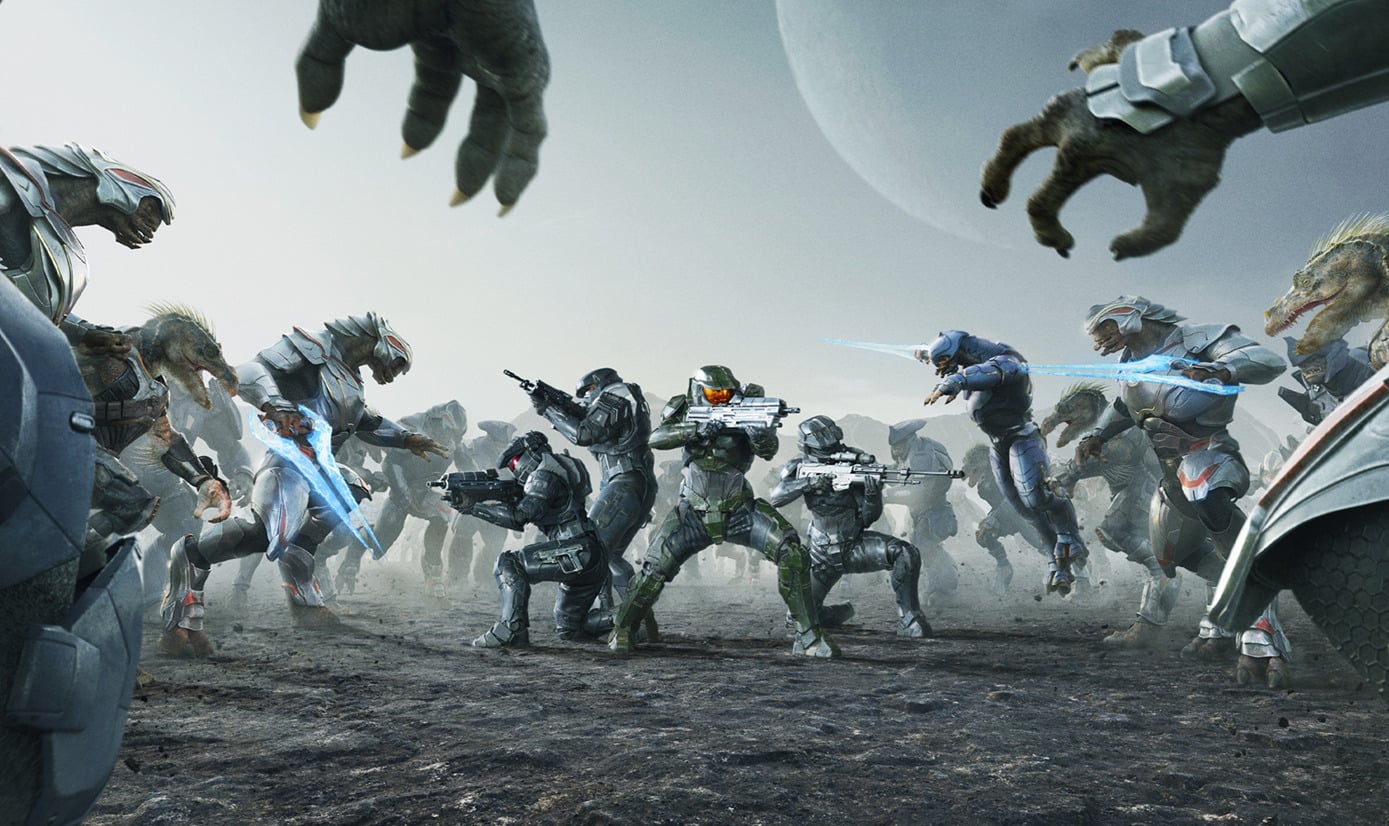
Not every adaptation succeeds. Paramount’s Halo series, based on one of Xbox’s flagship franchises, failed to achieve the cultural resonance that Paramount’s Sonic adaptations (based on Sega properties) generated. The divergent outcomes highlight that franchise recognition alone does not guarantee screen success. The Halo series, despite the built-in audience and source material with considerable lore, could not establish itself in the cultural conversation the way its game counterpart had maintained for over two decades.
Netflix’s Existing Game Portfolio
Netflix has already invested significantly in gaming adaptations, having developed series based on Cyberpunk, League of Legends, The Witcher, and Castlevania. A live-action Zelda adaptation is scheduled to arrive, indicating Netflix’s continued commitment to licensing game properties. This existing portfolio demonstrates Netflix’s strategic interest in the category—yet apparently not at the valuations Xbox was seeking. The streaming service’s willingness to pursue game adaptations with other publishers suggests it was not gaming content itself that drove Netflix away from the deal, but rather the cost structure Xbox was demanding.
Broader Industry Trends and Next Steps
The failed Netflix negotiation occurs within a context of significant industry challenges. As game development budgets continue to balloon and gaming hardware prices rise, publishers increasingly view film and television as mechanisms to extend the commercial life of their intellectual properties. Xbox’s new cross-media strategy reflects this broader trend, even if the Netflix deal itself did not come to fruition.
Xbox also faces organizational complications beyond the failed negotiations. Helen Chiang, a Microsoft veteran, recently departed the company shortly after accepting a newly created position intended to ensure long-term organizational stability. Union representatives have characterized the ongoing status of Blade, an unfinished project, as a “monumental waste” if left incomplete. On a different note, Xbox players will soon be able to purchase streaming access without committing to a full Game Pass subscription, creating an additional revenue stream.
These developments—the leadership departure, unfinished projects, and subscription restructuring—occur as Xbox pursues its cross-media strategy. The company is betting that properties like Halo, Fallout, and Minecraft have commercial value extending beyond gaming hardware and software sales. The success or failure of that bet will likely become clearer as the XP department begins materializing partnerships with production companies.
Source: Kotaku
Frequently Asked Questions
What was Netflix offering Xbox in the failed exclusive deal?
Netflix offered $500 million for exclusive rights to develop films and television series based on Xbox's gaming intellectual property over a seven-year period.
Why did the Netflix negotiations fall apart?
Xbox CEO Asha Sharma rejected Netflix's offer and countered at $800 million. Netflix rescinded its offer rather than continue negotiations at that price point.
What is Xbox's strategy now instead of pursuing another exclusive deal?
Xbox is pursuing project-by-project partnerships with multiple production companies and created a new department called "XP" to manage cross-media content development.
