
Key takeaways
- Dark Souls excels at physical comedy through FromSoftware's expert use of enemy placement and environmental design.
- The game's clunky character movement and self-inflicted deaths create slapstick humor that contrasts sharply with its grimdark narrative.
- FromSoftware is developing a film adaptation directed by Alex Garland with a $200 million budget, following an early theatrical release in Japan.
- The Bonewheel and other enemy designs exemplify FromSoftware's mastery of comedic timing and absurdist physical gags in interactive media.
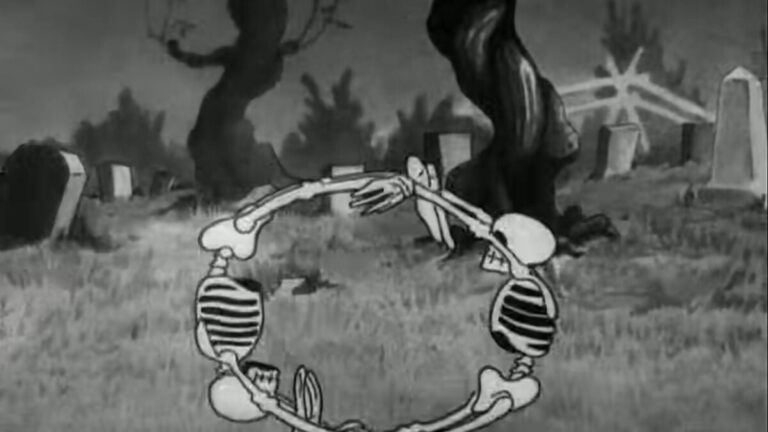
When Rebekah Valentine first encountered the Bonewheel in Dark Souls (a skeleton attached to a wheel of bones), the reaction was immediate: “What the fuck is that?!” The experience led her to a revelation that contradicts the perception of FromSoftware’s franchise: Dark Souls is not a serious, grimdark tragedy for hardcore gamers, but a comedy game. Dark Souls is, according to Valentine, video-game Looney Tunes.
For years, the prevailing narrative has positioned Dark Souls as a bleak, philosophical experience steeped in despair and loss. Every character arc leads to death or damnation. Hope is systematically crushed. This framing isn’t entirely false—the game’s narrative framework is genuinely tragic. Yet Valentine argues that this very framework amplifies what may be FromSoftware’s most underappreciated skill: physical comedy executed with surgical precision.
Many games attempt humor through witty dialogue or quippy character interactions, with mixed results. FromSoftware, however, proves itself superb at something far more technically demanding: physical comedy in an interactive medium. Creating a slapstick moment in a game requires accounting for player movement, enemy AI, and object collision. The delicate choreography of controlled chaos demands an expert hand. FromSoftware executes this repeatedly, turning the player into the unwitting victim of elaborate comedic setups that would make Wile E. Coyote proud.
FromSoftware’s Physical Comedy Mastery
The comedy emerges from three primary sources: environmental hazards, enemy placement, and the player’s own clumsy controls.
Environmental Hazards
Environmental hazards anchor much of the slapstick. Tight corridors adjacent to bottomless pits, narrow ledges suspended above lethal drops, and carefully positioned obstacles create the stage for disaster. When the player rounds a corner only to encounter an enemy designed to send them stumbling backward, the environmental trap is already set. The player doesn’t need to fail mechanically—often, simple forward momentum is enough to trigger the fall.
Enemy Placement
Enemy placement compounds this effect. FromSoftware positions creatures not merely to present combat challenges but to create ambush scenarios with physical consequences. A skeleton wheel descending from above, a giant mosquito suddenly appearing in confined quarters, basilisks waiting at the bottom of a staircase. These encounters are designed to provoke panic and reactionary movement. The panic often proves deadlier than the enemy itself. The player dodge-rolls away and plummets into the abyss. The player backs away from an unexpected threat and tumbles off a ledge.
Player Movement
Player movement, meanwhile, is intentionally clunky. Dark Souls characters don’t move with balletic grace. They’re slow to turn, animations commit the player to specific trajectories, and one mistimed input can send the character off a cliff. This deliberate inflexibility is the final ingredient. It guarantees that player error, environmental design, and enemy placement align to create moments of genuine absurdity.
The Bonewheel and the Comedy Roster
The Bonewheel exemplifies this philosophy. It’s not a mechanically complex boss—it’s a skeleton attached to a wheel of bones. It exists partly to kill the player and partly to be absurd. When the player encounters one, the initial reaction isn’t dread; it’s confusion. That disconnect between expectation and reality, between the game’s grimdark veneer and its actual presentation, is where much of the humor lives.
Valentine’s roll call of comedic enemies extends beyond the Bonewheel to:
- Regular skeletons
- Giant skeletons
- Oversized mosquitos
- Mushroom people
- Basilisks (called out to rot in hell)
- Zombie variants
- An unnamed blob of dudes with spears surrounding a statue in the painted world
Each enemy serves dual purpose: functional threat and comedic prop. Their placement within the environment transforms them from simple obstacles into instruments of slapstick.
When You Become the Joke
Perhaps the deepest source of humor is self-inflicted incompetence. Dark Souls deaths are often hilarious precisely because they result from the player’s own mistakes. A corpse run, an attempt to recover lost souls after death, becomes a comedy show when the player accidentally dodge-rolls off an easy-to-traverse cliff, losing over 30,000 souls in the process. Another player might simply walk off a ledge for no strategic reason, the death animation absurd enough that frustration evaporates into laughter.
The game’s clunky movement system guarantees that player error will occur frequently and visibly. You don’t slide off a cliff gracefully; you stumble, your character flails, and the fall is undignified. The gravity of the loss, potentially thousands of souls representing both currency and progression, makes the stupidity of dying that way only funnier. The consequence amplifies the comedy rather than diminishing it.
Dark Souls: Tragedy and Slapstick
What makes this comedic framework function is its juxtaposition against the game’s actual narrative. Dark Souls is grimdark and tragic. Good NPCs die ignobly. Evil characters either perish after brutal struggles or become worse before dying. No major character accomplishes their goals without terrible cost or terrible irony. The world is one of shadow, despair, and hopelessness—exactly as originally advertised.
This duality is the key. The player can be emotionally invested in the tragedy of the world while simultaneously being the victim of elaborate physical comedy. Solaire of Astora may have a depressing fate, but that doesn’t stop a skeleton wheel from sending the player flying off a narrow bridge. The two experiences coexist without contradiction. Dark Souls is a sketch from a 1990s Saturday morning cartoon operating within a genuinely bleak narrative framework.
FromSoftware Film Adaptation in Development
Beyond the games themselves, FromSoftware is pursuing the IP in cinema. Director Alex Garland is helming an adaptation backed by a $200 million budget—a significant investment reflecting confidence in the property’s cinematic potential. The production has already seen an early theatrical release in Japan. A re-edited version for television, featuring new scenes, is in development.
The box office performance of the Japanese theatrical release apparently represents a rare level of success. According to available reports, this kind of result has only materialized once before, with the Backrooms adaptation. Whether the television re-cut can replicate that success remains to be seen, but the commitment of resources suggests FromSoftware and its partners believe in the narrative’s potential beyond gaming.
Looking Forward
For Valentine, the experience of playing Dark Souls has fundamentally altered how she perceives the game and potentially how players should perceive it. The seriousness was never actually there, or rather, it was layered beneath something far more immediate and visceral: comedy. Dark Souls invites the player to die repeatedly, each death an opportunity for humor. A Bonewheel appears, and in that moment, the grimdark fantasy gives way to absurdity. As Valentine concludes, Dark Souls remains unfinished for her, and she hopes to encounter more Bonewheels before the game ends.
Source: Kotaku
Frequently Asked Questions
Why does Valentine consider Dark Souls a comedy game rather than a tragedy?
Valentine argues that Dark Souls uses physical comedy—slapstick moments created through enemy placement, environmental hazards, and the player's clunky controls—as effectively as any game using witty dialogue. These comedic moments are heightened rather than diminished by the grimdark narrative backdrop, allowing for simultaneous emotional investment in the story's tragedy and absurd humor in moment-to-moment gameplay.
What is a Bonewheel in Dark Souls?
A Bonewheel is an enemy consisting of a skeleton attached to a wheel of bones. According to Valentine, it exemplifies FromSoftware's physical comedy design philosophy and represents the kind of absurdist enemy placement that creates hilarious player encounters within the game's bleak setting.
Is FromSoftware making a Dark Souls movie?
Yes, director Alex Garland is helming an adaptation backed by a $200 million budget. An early theatrical release has already occurred in Japan, and a re-edited version for television featuring new scenes is currently in development.
