
Key takeaways
- Xbox CEO Asha Sharma countered Netflix's $500 million exclusive adaptation offer with $800 million, causing the streaming platform to withdraw from negotiations.
- Xbox established a new cross-media department called XP to manage entertainment partnerships with multiple studios rather than seeking exclusive deals.
- Successful adaptations like Amazon's Fallout and Warner Bros.' Minecraft movie demonstrate the commercial viability of game-to-screen projects, though Paramount's Halo series underperformed.
When Netflix offered Xbox $500 million to exclusively adapt its intellectual properties for television and film over a seven-year period, it represented substantial validation of the gaming company’s value in the streaming marketplace. According to industry reporting by Matthew Belloni at Puck News, newly appointed Xbox CEO Asha Sharma saw an opportunity to renegotiate and countered with a request for $800 million. Netflix declined the increased ask, and the partnership dissolved.
The Negotiation That Fell Apart
Netflix’s Substantial Offer
The streaming giant proposed granting itself exclusive rights to develop content across Xbox’s library of video game properties. Over seven years, this arrangement would have given Netflix a clear path to multiple adaptation projects without competing platforms poaching Xbox’s most valuable franchises. The $500 million figure represented meaningful capital commitment and confidence in the intellectual property’s entertainment value.
The proposal emerged during a significant moment for Netflix’s entertainment strategy. The platform had recently hired executive Peter Rice, signaling renewed focus on securing premium content partnerships. For Xbox, the timing aligned with leadership transitions under Sharma, creating a window for strategic partnerships.
The Counter That Changed Everything
Rather than accept Netflix’s terms, Sharma increased the ask by 60 percent to $800 million for the same exclusive arrangement. The higher figure shifted Netflix’s calculation significantly. The streaming service concluded that exclusive rights at this new price point no longer justified the investment and withdrew its offer.
The outcome illustrates the stakes in high-value entertainment partnerships. Xbox either overvalued its negotiating position or Netflix determined that alternative approaches offered superior returns. Either interpretation suggests the exclusive deal structure failed to align both parties’ interests.
The Fallback
Xbox responded to the reporting with a statement calling Netflix “a valued partner” and emphasized ongoing collaboration. The company highlighted animated adaptations of Minecraft and Diablo currently in development for Netflix. Additionally, Xbox claimed to have “received record-breaking interest” from other potential partners seeking to adapt its intellectual property, though specific studios or franchises remained unnamed.
Why This Matters Now
The New Cross-Media Department
Following the failed Netflix negotiation, Xbox established XP, a dedicated department for cross-media development. This unit exists specifically to shepherd game-to-film and game-to-television projects. While Xbox has not explicitly connected XP’s creation to the Netflix deal collapse, the timing and strategic positioning suggest a direct relationship.
The new structure represents a fundamental shift in Xbox’s adaptation strategy. Rather than consolidating rights with a single exclusive partner, the company now intends to manage relationships across multiple studios and platforms simultaneously. This approach reduces dependency on any single streaming service while maintaining flexibility to negotiate individual projects on their own merits.
A Response to Industry Trends
XP reflects industry-wide recognition that gaming intellectual property represents valuable raw material for film and television. As game development costs have escalated and console gaming has become increasingly expensive for consumers, publishers have pursued entertainment adaptations to extend brand recognition, generate standalone revenue, and drive renewed interest in original games.
Microsoft possesses particular leverage in these negotiations given its substantial portfolio scale. The company can afford to walk away from unfavorable terms, knowing alternative partners exist. Yet the Netflix negotiation demonstrated that having leverage differs from deploying it effectively. Demanding $800 million in exchange for abandoning a $500 million guaranteed deal represented a significant strategic miscalculation.
Gaming Adaptations Are Becoming Industry Standard
Successes That Reset Expectations
The video game-to-screen adaptation has evolved from niche curiosity to mainstream entertainment category. HBO’s The Last of Us achieved critical acclaim and demonstrated that audiences would embrace prestige television adaptations of game properties. Illumination’s Super Mario movie showed comparable commercial success, introducing the franchise to mainstream film audiences.
Amazon’s Fallout series and Warner Bros.’ Minecraft movie both performed successfully, establishing that game adaptations could serve multiple audiences simultaneously. For executives evaluating game-IP projects, these successes provided quantifiable evidence that justified investment in development and production at substantial budgets.
The Notable Exception
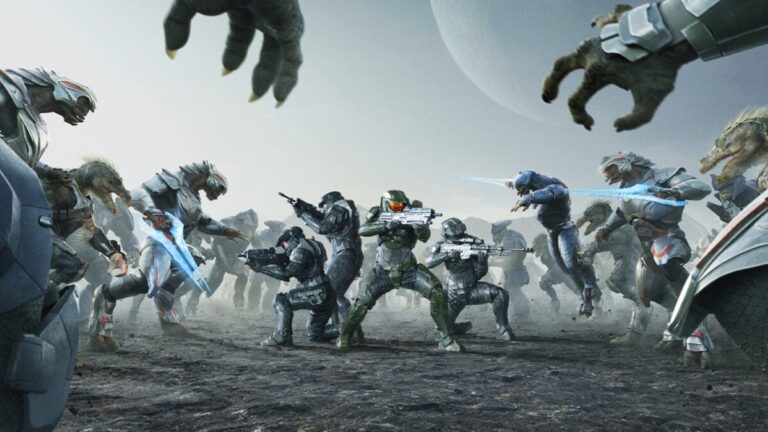
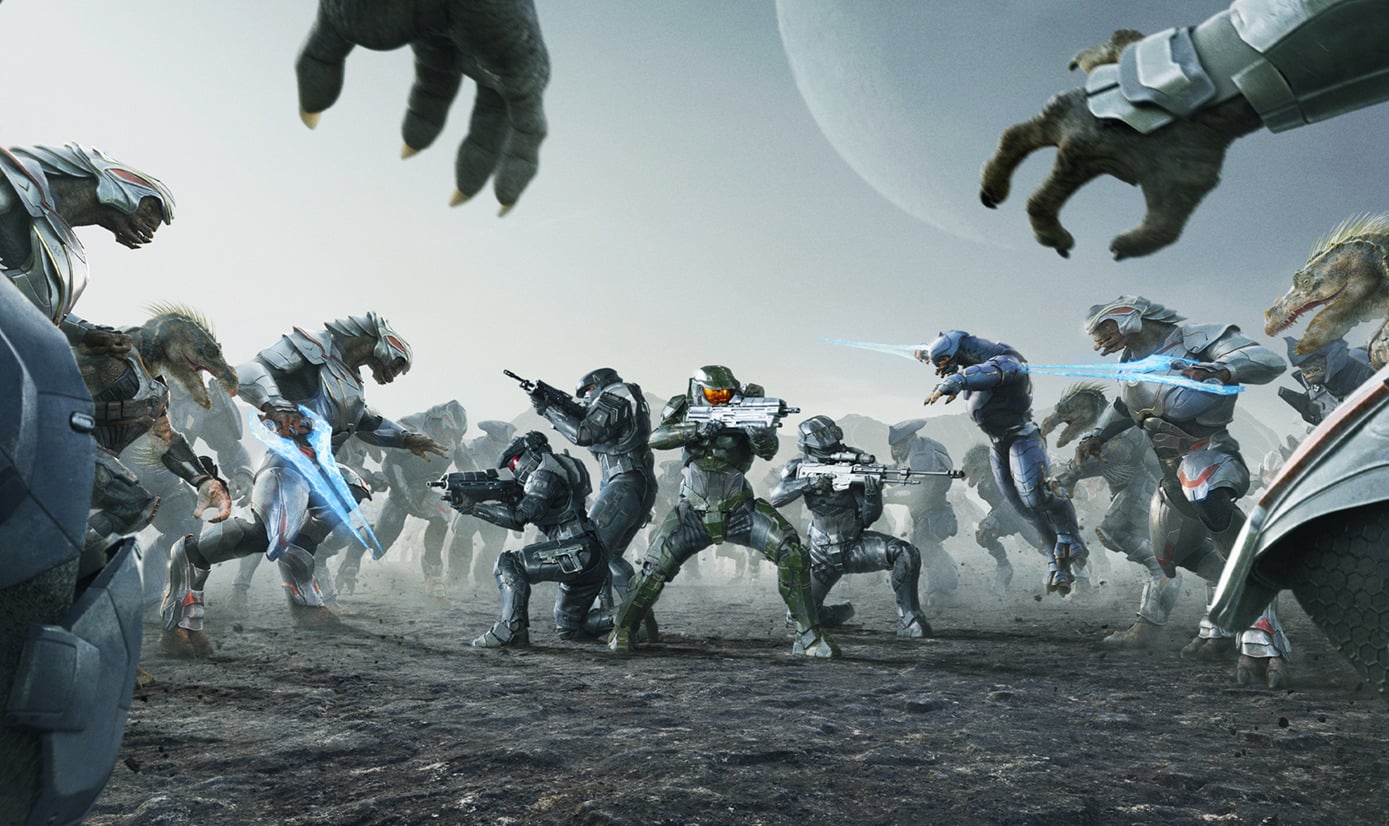
Not every adaptation has met expectations. Paramount’s Halo series, despite the franchise’s status as a flagship Xbox title, failed to capture audience enthusiasm comparable to other successful adaptations. The show did not generate the cultural penetration or critical reception that might have been expected given Halo’s profile, suggesting that intellectual property value and adaptation quality represent separate variables.
The Competitive Landscape
Netflix itself has demonstrated substantial capability in this space with several game-based series: Cyberpunk, League of Legends, The Witcher, and Castlevania. The platform has also secured streaming rights to a forthcoming live-action Zelda adaptation coming next year, indicating that publishers beyond Xbox recognize value in partnering with Netflix despite its pursuit of exclusive deals.
The IP at Stake
Xbox’s negotiating position rested on a substantial library of intellectual properties. The company’s portfolio includes Doom, The Elder Scrolls, Gears of War, Call of Duty, and Space Quest. These franchises span decades of gaming history, from established blockbuster series to cult classic properties with dedicated audiences. Any exclusive adaptation deal would have encompassed multiple properties across this range.
For a company like Netflix, Xbox’s portfolio represented enormous potential for content production. Yet the breadth of that portfolio also meant Netflix possessed significant negotiating leverage of its own. The streaming service could approach other publishers or develop adaptations of licensed properties individually rather than committing to an exclusive seven-year arrangement with a single partner.
The Strategy Moving Forward
Rather than pursue another exclusive megadeal, Xbox has publicly stated its intention to pursue smaller agreements with multiple production partners. This approach mirrors how other media companies operate, spreading intellectual property across several studios and platforms rather than consolidating all rights with a single entity.
The company’s animated Minecraft series and Diablo adaptation with Netflix represent evidence that the relationship remains viable despite the failed exclusive negotiation. These projects demonstrate Xbox and Netflix retain sufficient alignment to collaborate on individual properties even though they could not agree on an exclusive framework for all of Xbox’s properties.
For Xbox, the failed deal represents a missed opportunity to secure guaranteed revenue across seven years. The company’s stated position that it has received “record-breaking interest” from other partners suggests alternative partnerships may yet materialize.
Source: Kotaku
Frequently Asked Questions
What was the Xbox and Netflix deal about?
Netflix offered Xbox $500 million for exclusive seven-year rights to develop television and film adaptations of Xbox's game intellectual properties.
Why did the Netflix deal fall through?
Xbox CEO Asha Sharma countered Netflix's $500 million offer with a demand for $800 million, which Netflix declined, leading both parties to end negotiations.
What is Xbox's new strategy after the Netflix deal failed?
Xbox established a cross-media department called XP to pursue smaller deals with multiple production partners instead of exclusive arrangements.
