
Key takeaways
- The Duskbloods network test's single map and limited character roster made PvP encounters feel repetitive and loss penalties feel punitive rather than educational.
- FromSoftware designed Ritual Sites as natural PvP gathering points, but this creates friction for players hoping to progress through boss fights and exploration.
- The full game's expanded roster (10 characters), three maps, and potential matchmaking improvements could significantly change the experience compared to the test.
- The inability to reliably queue with friends during the network test undermined the social component that many players saw as the game's core appeal.
After investing over a hundred hours into Elden Ring Nightreign, the prospect of FromSoftware’s next action game held genuine appeal. The Duskbloods promised something different: a vampire-themed competitive experience where players could explore, battle bosses, and engage in combat simultaneously, with the option to focus more on player-versus-environment content if PvP wasn’t your strength. The network test weekend offered a chance to verify whether that balance would actually exist in practice.
Ten hours across multiple sessions later, the answer proved murky enough to make me question whether The Duskbloods will deliver the kind of experience I was expecting.
What The Duskbloods Is Attempting
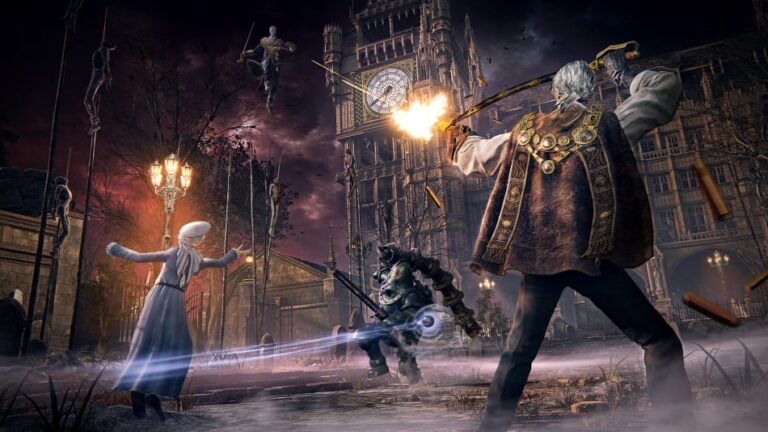
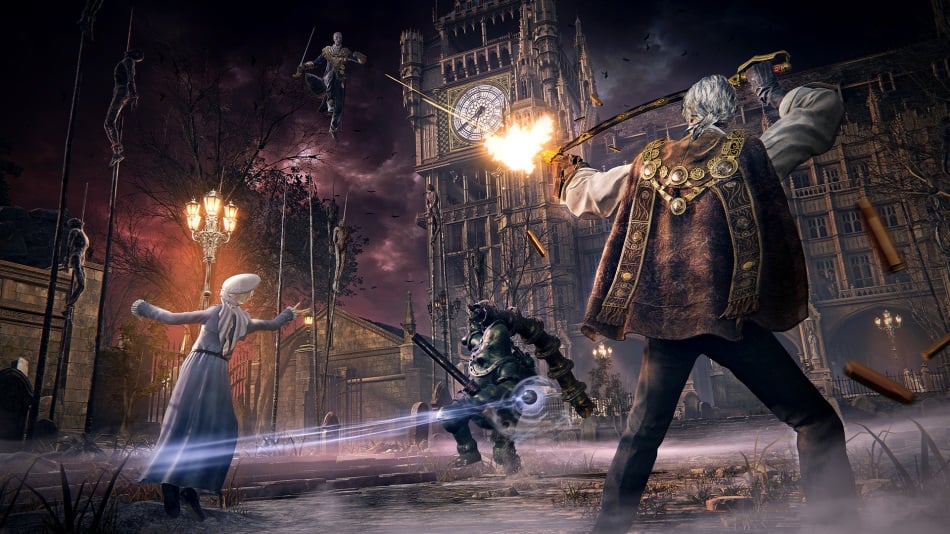
FromSoftware has built The Duskbloods around a core concept that stands apart from the studio’s previous work: multiple players inhabiting a shared space where they can cooperate, compete, or ignore each other depending on the moment. The network test gave players access to six character classes with distinct playstyles—the weapon-based movement of Trang Lanh, the Senator’s dinosaur transformation, and Layla’s ranged firepower among them. Beyond individual combat, the game includes boss encounters and environmental exploration as progression mechanics alongside the multiplayer component.
The final release will expand this framework considerably. Three maps will replace the single test environment, and the character roster will grow from six to ten options at launch. The game supports both solo play and duos, though the network test did not consistently allow players to queue together with friends, which became one of the session’s most frustrating limitations.
Testing in a Vacuum
What Was Missing
A network test serves a specific purpose: validating server stability and basic functionality rather than providing a complete picture of finished design. Still, the restrictions imposed constraints that made evaluation particularly difficult. The single available map meant every match followed similar rhythms, and players cycled through the same encounter types repeatedly within hours. The limited character selection forced extended periods adapting to classes that didn’t immediately click, though Trang Lanh eventually proved more compatible once paired with a tanking Kin ally.
The Social Friction
The inability to reliably squad up with friends represented the most palpable loss. The sessions where friends managed to sync their queue times and coordinate within the same game—forming alliances, collecting resources called virtue together, and tackling bosses as a unit—were consistently the most enjoyable moments. Yet this coordination was accidental rather than intentional, a byproduct of perfect timing rather than a designed feature. The main game’s roadmap remains unclear on whether dedicated squad support will exist, and that uncertainty carries real weight for players whose engagement depends on playing alongside people they know.
The Relentless PvP Gauntlet
Death After Death
The core issue: losing repeatedly stopped being educational and started being demoralizing. The network test’s design pushes players toward confrontation through Ritual Sites—designated zones where specific objectives like claiming stones, defending pledges, or eliminating other players create natural gathering points for combat. As each match’s phases progressed, these sites became unavoidable bloodbaths, and the consequence of poor PvP performance was immediate: death, loss of accumulated virtue, and respawn into a world where skilled players were actively hunting.
One recurring scenario illustrated the problem. A player eliminated another, then waited at the respawn point to eliminate that same player again before they could react. This wasn’t a fluke or a matchmaking error—it was a viable strategy with no meaningful penalty. Since killing other players outside specific objectives yields no direct reward, dying dozens of times across ten hours felt purely extractive rather than like a learning process.
The Kin Interference Problem
Complications arose from Kin, the NPC allies designed to provide tactical support. Approaching other players to form alliances required proximity, but Kin would attack unprompted once players drew near. This created a perverse dynamic: attempting cooperation triggered aggressive responses from allies, which then signaled hostile intent to nearby players, who then actually attacked. By the time dialogue boxes cleared, the initial peaceful contact had devolved into combat, with responsibility ambiguous and escalation inevitable.
Where The Duskbloods Succeeds
Despite the frustration, substantial elements revealed genuine potential. Movement mechanics elevated basic exploration into genuine pleasure—quadruple-jump mobility and an air dash tool opened sightlines and routing possibilities that made traversal feel dynamic. The Senator’s dinosaur form transformation and Layla’s ranged firepower showcase distinct mechanical flavors, each changing how players approach encounters. Finding hidden spaces like underground ruins and clock tower alcoves rewarded curiosity without requiring combat success, and the visual presentation of characters, environments, and Trespasser bosses maintained the quality standard FromSoftware audiences expect.
The Kin companions also mostly delivered. The wolf ally that shreds enemies and the persistent Marlowe partner both enhanced combat in meaningful ways, despite the communication issues that arose when trying to coordinate with humans. The conceptual foundation—multiple players competing and cooperating within overlapping objectives—remains structurally sound.
The Unknowns at Launch
The network test revealed a specific problem, but not whether that problem is solvable. Three possibilities exist for the full release. The expanded character roster might include an option that directly addresses the skill-gap issue through mechanics that don’t depend on pure PvP prowess. Skill-based matchmaking could separate experienced players from newcomers, allowing learning space. Or the story progression system might permit advancement regardless of PvP performance, meaning repeated defeats still yield resources and narrative momentum.
The ability to queue with friends consistently would almost certainly reshape the experience—losing while running alongside trusted allies carries a fundamentally different emotional weight than losing in isolation. As the meta develops beyond the network test’s early stage, dominant strategies might emerge that allow PvE-focused play during the match’s opening phases, with confrontation compressed into specific windows. Time and familiarity also matter; a ten-hour trial cannot predict how attitudes shift across fifty or a hundred hours of actual play.
The Central Tension
FromSoftware’s pitch for The Duskbloods hinged on accessibility for players who wanted to prioritize environmental challenges and boss encounters over player combat. The network test suggested that pitch may not hold under pressure, at least not yet. Ritual Sites and the end-game PvP focus created scenarios where avoiding other players became nearly impossible, and when contact happened, the skill disparity proved overwhelming.
The question The Duskbloods will answer at launch: can a player maintain motivation to improve at PvP when every loss feels purely punitive rather than instructive? If the main game finds ways to make defeat feel less hollow—through story progression, more forgiving matchmaking, better friend integration, or expanded PvE alternatives—the concerns that emerged during the network test may prove temporary. If those changes don’t materialize, the skill gap will widen as confident players remain engaged while newcomers drop out, accelerating the very dynamic that made the test difficult.
The Duskbloods will launch regardless of a network test’s reception, and the full game will provide answers the preview couldn’t. For now, the excitement has diminished but not disappeared. The foundation is interesting enough to warrant a closer look, even if the path forward remains genuinely uncertain.
Frequently Asked Questions
How long was the network test and what did it include?
The network test lasted a weekend and featured one map, six playable characters (including Trang Lanh, the Senator, and Layla), and various bosses and Ritual Sites. The final game will expand to three maps and ten characters at launch.
What are Ritual Sites and why are they a problem?
Ritual Sites are designated zones where players pursue specific objectives like claiming stones, defending pledges, or eliminating other players. They become PvP flashpoints as matches progress, forcing confrontation on players who might prefer exploring or fighting bosses.
Can The Duskbloods be played without PvP?
While boss fights and exploration exist alongside PvP, the network test showed that Ritual Sites and player encounters are difficult to avoid, especially as matches progress. The main game's design choices around matchmaking and progression will determine whether PvE-focused play remains viable.
