
Key takeaways
- Car Park Capital transforms players from parking lot operator into property developer, car manufacturer, and petroleum magnate through interconnected mechanical systems that mirror real-world urban economics.
- The game's design rewards maximum exploitation and infrastructure destruction without systemic penalties, functioning as a dark commentary on how real-world urban development sometimes operates.
- Kotaku found the game loop engaging during early access play, but noted that players eventually become unstoppable, raising questions about long-term engagement and mechanical balance.
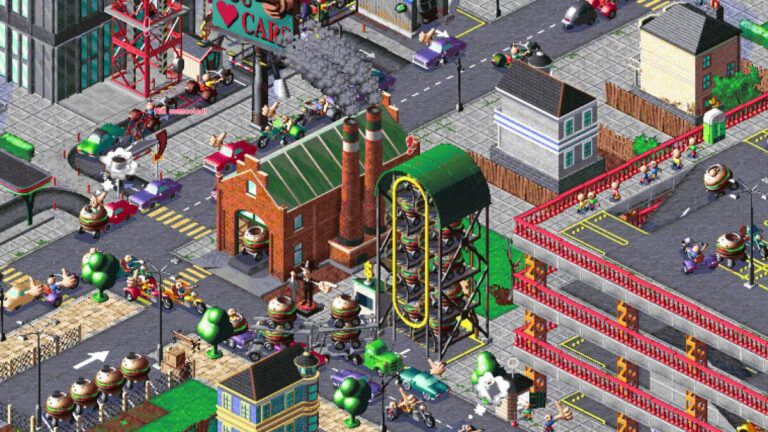
Simulators have become increasingly specific. There are games dedicated to farming, bus driving, zoo management, and administering fictional Twitch streamers. Each new entry carves out its niche while typically remaining focused on the ostensible subject matter. Car Park Capital, a new title from Dutch developer Hilkojj Interactive and published by MicroProse, follows the simulator format but refuses to stay confined to its stated subject. What begins as a parking lot management game transforms into a darker commentary on urban development, consumer capitalism, and the choices communities make about land use.
The Parking Lot Economy
Car Park Capital operates within the established tycoon simulator framework, sharing DNA with classics like RollerCoaster Tycoon. The game’s early moments appear to confirm this pedigree. The tutorial presents players with a view of a bustling theme park, suggesting a familiar management experience. Kotaku noted that this introduction quickly pivots, narrowing the player’s focus entirely to parking spaces. The initial lessons cover the practical elements: pricing adjustments, line markings, signage construction, and ultimately the sabotage of public transit systems to artificially boost business demand.
This humble beginning conceals the game’s actual scope. As players progress through campaigns, they discover that running a profitable parking operation in dense urban environments cannot remain a localized concern. Urban lot expansion is constrained by existing development, creating the first moral compromise: evicting residential buildings and homes to seize additional square footage.
The Cascading Consequences
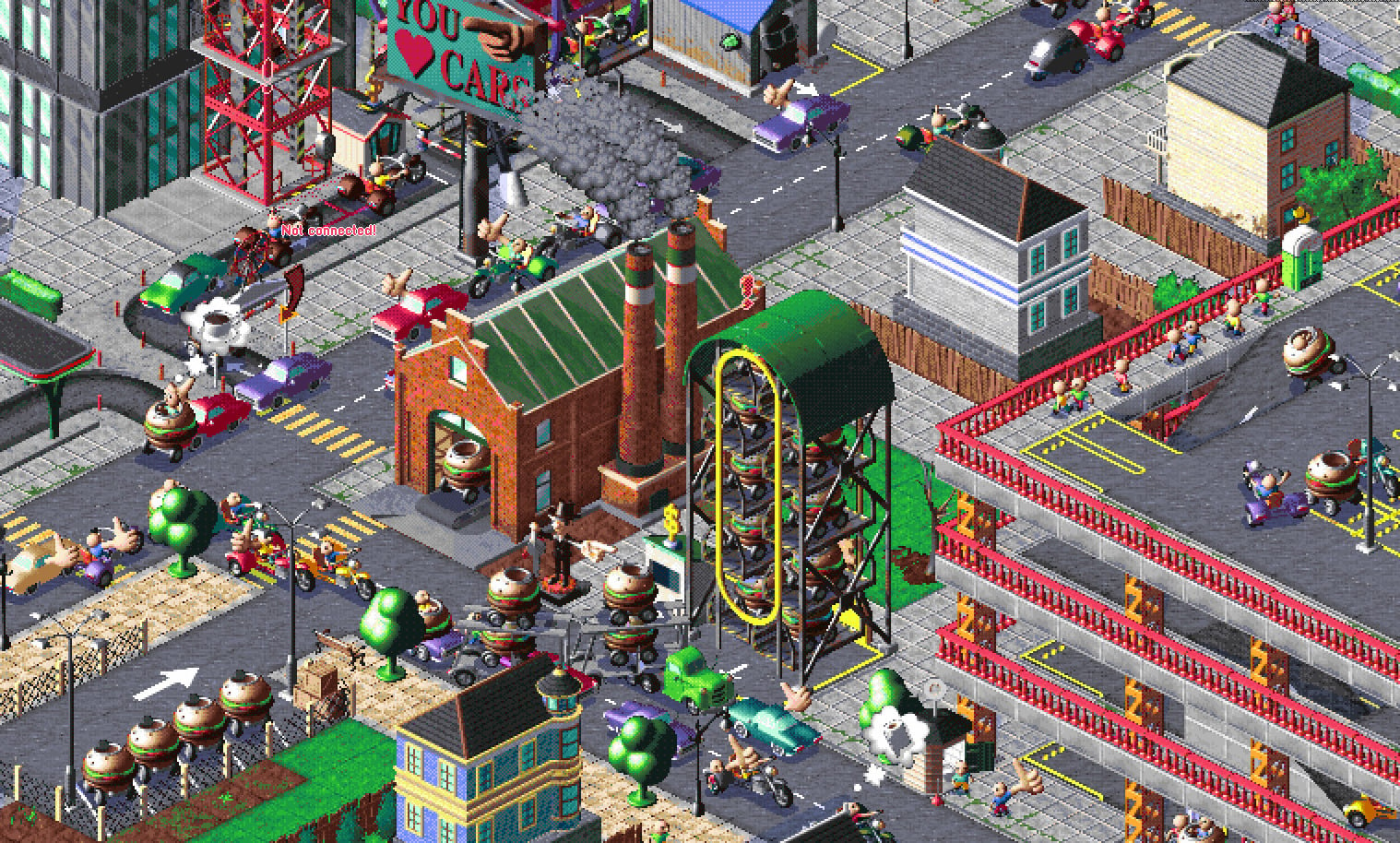
But eviction creates displacement. Those displaced residents require new housing, which demands suburban development on the periphery. This seemingly logical solution generates the game’s central feedback loop. Suburban sprawl separates residents from urban centers, increasing commute distances. Longer commutes require more vehicles. More vehicles demand infrastructure—which means a car manufacturing industry. Car manufacturing requires fuel, birthing an oil extraction operation.
Each expansion feeds the next. Players transition from parking operator to property developer to automobile manufacturer to petroleum magnate. Kotaku’s experience with the game demonstrated how this mechanical progression mirrors real-world urban economics, where single industries often reshape entire regional systems.
The Infrastructure of Dystopia
As players advance through campaigns, the game presents an expanding menu of options that transform the parking lot from a commercial enterprise into a blueprint for societal reorganization. Establishing superstores creates consumer demand. Constructing drive-thru facilities removes the need for foot traffic. Building ferris wheels designed exclusively for automobile access creates spectacle without pedestrian engagement.
The game permits players to privatize public facilities—a feature that extends to something as fundamental as public toilets. When protests emerge against these policies, players can establish personal police forces to suppress dissent. As resistance intensifies, private military contractors become available. Each option presents itself as a logical business decision within the game’s economic system, yet their cumulative effect transforms the game world into something increasingly dystopian.
The Philosophy of Maximum Expansion
What distinguishes Car Park Capital from standard tycoon simulations is its refusal to separate financial success from social destruction. The game’s metrics reward maximizing parking demand, which mechanically requires dismantling public infrastructure, displacing residents, consolidating economic power, and ultimately establishing authoritarian control. Players aren’t penalized for these choices—they’re rewarded.
This design philosophy creates an uncomfortable alignment with how real-world urban development sometimes operates. Kotaku described the experience as resembling a Paolo Pedercini game—a reference to the designer behind Molleindustria, known for creating satirical projects that critically examine capitalism and social systems. The comparison acknowledges that Car Park Capital operates at the intersection of functional game design and social commentary.
Historical Context: The Robert Moses Problem
The game’s satirical framework draws from real historical discourse about urban planning. Defunctland, a popular YouTube channel examining theme park history, positioned mid-century urban planner Robert Moses as an antagonist figure. Moses prioritized automobile infrastructure and urban renewal projects that often demolished existing communities. This positioning has permeated internet culture through countless memes and cultural references examining how individual planners shaped—and often damaged—urban environments.
Car Park Capital operates within this established critique. Rather than celebrating a planner’s vision, the game interrogates what happens when parking maximization becomes the organizing principle of urban development. The player character effectively becomes a Robert Moses figure, reshaping entire cities around automotive convenience while displacing everyone in the path of expansion.
Campaign Scenarios and Gameplay Depth
The early-access build currently provides multiple avenues for exploration. The primary experience involves campaigns set in a default city, where players develop their parking empire from initial modest beginnings through progressively ambitious expansion. A secondary Florida Keys scenario permits players to observe and enact comparable levels of environmental and social destruction across a different geography.
Strategic Mechanics
Despite thematic darkness, the actual mechanics demand strategic thinking. Players manage neighborhood desirability ratings, construct complementary commercial facilities, maintain workforce logistics, and balance multiple revenue streams. The systems interconnect meaningfully enough that Kotaku found the game loop “amusing and engrossing” during early access play.
The Longevity Question
Kotaku identified one potential long-term concern: as players progress, they eventually become unstoppable. The game’s mechanical systems lack sufficient resistance or escalating opposition to maintain tension throughout extended play sessions. Once players recognize that maximum exploitation equals maximum profit with no systemic penalties, the strategic calculus flattens considerably. For simulators that typically aspire toward extended engagement, this balance issue may limit appeal among players seeking long-term progression challenges.
The game’s current early-access status suggests ongoing development could address these concerns, though the fundamental design may prove challenging to modify without compromising the game’s satirical intent.
What Car Park Capital Represents
Car Park Capital functions simultaneously as a working game and a critique embedded within mechanics. It demonstrates how simulation games can interrogate real-world systems while remaining engaging as gameplay experiences. Whether the title maintains engagement across the extended development period toward full release remains an open question, but its commitment to examining urban development through the lens of parking economics already distinguishes it within an increasingly crowded simulator market.
Frequently Asked Questions
What platform is Car Park Capital available on?
Car Park Capital is available in early access on Steam. The game was developed by Dutch studio Hilkojj Interactive and published by MicroProse.
How does the gameplay progress from a simple parking lot?
Players begin with a small parking lot and expand by evicting residential buildings to gain square footage. This displacement forces construction of suburban sprawl, which increases car demand, leading players to manufacture vehicles and extract oil—escalating through multiple industries.
What makes Car Park Capital different from other tycoon simulators like RollerCoaster Tycoon?
Car Park Capital refuses to separate financial success from social destruction. The game rewards dismantling public infrastructure, displacing residents, and establishing authoritarian control—mechanics that mirror real-world urban development patterns rather than hiding such consequences.
