
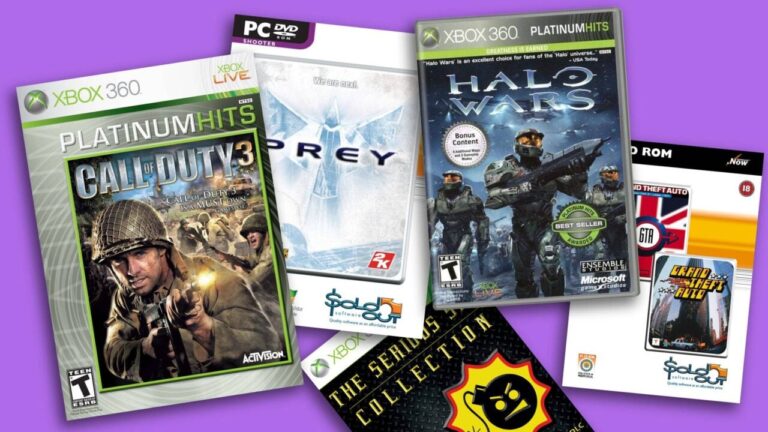
Key takeaways
- The budget re-release label—once a guaranteed path to profitability and consumer trust—has vanished from the gaming landscape.
- The traditional budget label faced its fatal competitor: aggressive digital sales strategies.
- Development costs have become so catastrophic that publishers cannot afford the revenue loss of traditional budget pricing.
- Modern remasters—positioned as the spiritual successors to budget re-releases—have broken consumer trust entirely.
Top-tier AAA games now hit 50% discounts within seven months of launch, effectively eliminating the traditional budget re-release label that once defined gaming’s middle market. The collapse of Nintendo’s “Player’s Choice” model and Sony’s “Greatest Hits” strategy reveals how aggressive digital pricing and soaring development costs have dismantled an industry standard that survived three decades. Publishers, desperate to recoup investments exceeding $300 million, have abandoned the budget label entirely in favor of immediate discounting and premium remasters that offer minimal value.
The Death of a Pricing Pillar
The budget re-release label—once a guaranteed path to profitability and consumer trust—has vanished from the gaming landscape. Nintendo’s original “Player’s Choice” line, which launched on the Super Nintendo and continued through the N64, GameCube, and Game Boy Advance, established an explicit rule: only games surpassing 1 million units sold earned the distinctive banner and the reduced $19.99–$29.99 price point. This created a clear economic barrier and a consumer expectation that budget pricing rewarded genuine mass-market success.
That standard eroded steadily. Sony’s “Essentials” line on the original PlayStation began with a 100,000-unit sales threshold across the PAL region, tightened to 250,000 copies within nine months, and eventually climbed to 400,000 copies. As the industry grew, fewer games qualified for the label. Today, the threshold has effectively disappeared entirely. Publishers now delay “Greatest Hits” re-releases far beyond the traditional nine-month window to maximize initial full-price profits, transforming the budget label from a standard post-launch phase into a strategic delay that may never arrive.
Digital Discounting Replaces Physical Re-releases
The traditional budget label faced its fatal competitor: aggressive digital sales strategies. Top-tier AAA titles now hit the 50% discount mark—effectively the old budget price point of $30—after an average of just 199 days on the market. Breakout indie games take slightly longer at 9.2 months, but the outcome remains the same: the “budget price” has become a temporary state of a full-price game rather than a permanent re-release category with distinct market identity.
Simultaneously, the indie market has cannibalized the budget label concept entirely. PC titles priced below $30 have surged 156% since 2022, with the $25 price point emerging as a crucial sales barrier in US and European markets. Publishers no longer wait years for a “Greatest Hits” version to launch at budget pricing. Instead, they launch new games directly at those price points, flooding the market with fresh content at budget prices. Consumers stopped waiting for re-releases because the market became saturated with new games offering better value propositions.

The Financial Pressure Behind the Strategy Shift
Development costs have become so catastrophic that publishers cannot afford the revenue loss of traditional budget pricing. Marvel’s Spider-Man 2 required $300 million in development and marketing costs, demanding 7.2 million copies sold at full price just to break even. The failure of Square Enix’s Forspoken, budgeted between $100–150 million, illustrates the stakes: the game sold only 3 million units and failed to recoup costs, directly leading to the shutdown of Luminous Productions. Selling a game at the old budget price of $30 would require publishers to move 2–3 times the units to match full-price revenue, making the strategy financially suicidal for high-cost titles.
Studio closures have accelerated this shift. The 2022 failure of Saints Row, budgeted at over $100 million with poor sales, directly triggered Volition’s closure in 2023. The industry has shifted to a “survival of the fittest” environment where only blockbuster hits survive. The mid-tier games that historically formed the backbone of budget label re-releases have disappeared, as the studios that produced them face consolidation or permanent shutdown.
The Remaster Problem: Quality Collapse and Consumer Distrust
Modern remasters—positioned as the spiritual successors to budget re-releases—have broken consumer trust entirely. These titles often change minimal content from originals, ship with missing features, or prove inferior to the originals themselves, yet carry premium pricing rather than budget discounts. The spirit of the budget label, which promised a cheaper, slightly modified version of a classic game, has been replaced by “premium” remasters offering negligible added value at unjustifiable prices.
This represents a fundamental betrayal of the budget label’s original purpose. Where Nintendo’s “Player’s Choice” rewarded successful games with both consumer savings and industry recognition, modern re-releases exploit nostalgia while delivering inferior products. The concept of the budget label—once synonymous with consumer goodwill—now feels obsolete or predatory to players who remember when re-releases actually represented value propositions.
How Three Decades of Industry Standards Collapsed in Five Years
Nintendo’s “Player’s Choice” survived from the Super Nintendo era through the GameCube, establishing itself as an industry cornerstone for nearly two decades. The label communicated a clear message: this game achieved genuine mainstream success, and we’re rewarding that success with both a distinctive identity and a lower price. That model created predictable consumer behavior and stable revenue streams for publishers who understood that patient monetization strategies could generate long-term profitability.
The shift happened rapidly. Within five years of aggressive digital discounting becoming standard, the entire budget label infrastructure collapsed. The 1 million-unit threshold that once seemed achievable became a luxury, replaced by immediate price cuts that devalued the achievement of reaching that milestone.
The Road Ahead for Budget Gaming
The gaming industry faces a critical juncture where the budget label concept may never recover. Publishers continue delaying “Greatest Hits” re-releases beyond traditional windows, and indie developers have seized the sub-$30 market with new launches rather than re-releases. The success of the $25 price point for indie games suggests that consumers will continue purchasing new content at budget prices rather than waiting for older games to be repriced.
The collapse of the budget re-release label represents more than a pricing shift—it signals the death of an entire consumer expectation and industry standard. Games that once would have become “Greatest Hits” titles now disappear from digital storefronts or receive mediocre remasters at premium prices. The aggressive sales strategies that killed the budget label have left publishers unable to recoup massive development costs and players without the affordable re-release options that once defined gaming accessibility.
