
Key takeaways
- Tony Hawk was stopped by security while filming at Pershing Square in Los Angeles, the real-world location that inspired the stage in Tony Hawk's Pro Skater 3.
- Released in 2001, Tony Hawk's Pro Skater 3 shares top Metacritic honors on PlayStation 2 with Grand Theft Auto 3.
- Iron Galaxy's 2025 remake faced mixed reception, with players reporting technical issues like incorrect character skin tones after the season two update.
Tony Hawk made an unexpected discovery while attempting to relive one of his most iconic video game moments: sometimes security guards don’t care about legacy.
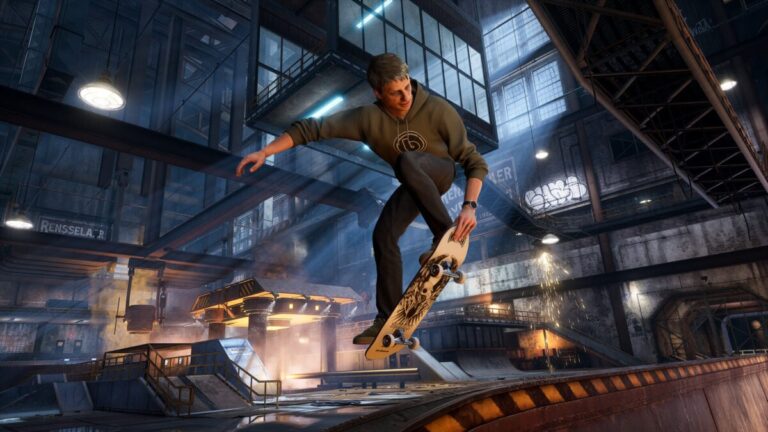
The skateboarding legend traveled to Pershing Square, a business district park in downtown Los Angeles, to film content commemorating the 25th anniversary of Tony Hawk’s Pro Skater 3. The location inspired the game’s Los Angeles stage, complete with its distinctive modernist architecture designed by Ricardo Legorreta. The stone crescent benches and oversized red orbs that became visual signatures of the digital environment remain unchanged in the actual park, as does the nearby car wash topped with a large blue obelisk.
What should have been a straightforward recreation shoot turned awkward when park security ended the filming session abruptly. “We got kicked out of Pershing Square while shooting this today,” Hawk posted on social media, adding that the interaction was “very anticlimactic.” The footage he managed to capture before being escorted out showed him rolling through the location, recreating the idle animation from his virtual avatar while the Ramones’ “Blitzkrieg Bop” played in the background.
Security’s reasoning went unexplained, though Hawk described the encounter casually: “She just shoo’d us away.” The incident highlights an odd wrinkle in celebrating a game that’s held its legacy for a quarter-century. The real-world locations, even those publicly accessible, don’t necessarily welcome filming crews recreating digital memories.
The Game That Defined PlayStation 2
Released in 2001, Tony Hawk’s Pro Skater 3 became the first entry in the series to launch on PlayStation 2, a transition that coincided with the console’s technical leap forward. The visual clarity of Pershing Square’s recreated features benefited from the hardware’s capabilities, creating an environment that remained recognizable enough to inspire this real-world recreation decades later.
The game’s cultural impact extended beyond skateboarding circles. On Metacritic, Tony Hawk’s Pro Skater 3 shares top honors on the PlayStation 2 with Grand Theft Auto 3, a rare achievement for a sports title released alongside one of gaming’s most influential franchises. The dual recognition speaks to the quality and relevance the series commanded at the turn of the 2000s.
Twenty-five years of continuous play and nostalgia speak to the game’s staying power. The locations, mechanics, and soundtrack remain ingrained in multiple generations of players, whether they approached the series as couch skateboarders or aspiring riders seeking inspiration for real-world tricks.
The 2025 Remake and Fan Reception
The skateboarding franchise got a second chance at modern relevance when Iron Galaxy delivered Tony Hawk’s Pro Skater 3 + 4 in 2025, a remake pairing two entries from the series into a single package.
Reception and Player Frustration
The reception, however, fell short of the enthusiasm that greeted the first remake of the franchise a few years earlier. Fans expressed mixed feelings toward the new version, with reports of visual inconsistencies following a season two update, including claims that character skins displayed incorrect tones. Beyond that specific issue, broader frustration emerged around the state of legacy skateboarding games in general, with players expressing how difficult it has become to get straightforward, no-frills entries in established skateboarding franchises—a contrast to the early 2000s when Tony Hawk’s Pro Skater series dominated the genre.
The Appetite for New Entries
The appetite clearly exists among players both old and new for continued evolution of the series, yet each new release seems to arrive amid technical snags, balance concerns, or design decisions that don’t align with what longtime players want from the experience. The comparison to the early series is stark: players note they could be attempting tricks and grinding rails in new games if the releases aligned with player expectations.
A Quarter-Century of Digital Influence
The Tony Hawk’s Pro Skater franchise stands as one of gaming’s most enduring bridges between virtual and real-world culture. Since Neversoft first placed Hawk in a video game on PlayStation in 1999, the series inspired countless players to pick up actual skateboards, attempt tricks, or simply appreciate skateboarding as a cultural force.
The Overlooked Real-World Connection
Pershing Square’s role in this legacy remained largely understated for most players. Most who spent hundreds of hours in that digital environment never knew its real-world counterpart existed nearby, let alone that architect Ricardo Legorreta’s distinctive design became permanent through the game’s code. The park’s visual identity, marked by curved benches, spheres, and overall geometric confidence, translated into an environment players wanted to master, grind across, and nail combos within.
The Park’s Architectural Significance
The real park has aged remarkably well, retaining the features that made it game-worthy. The nearby car wash with its blue obelisk still stands. The crescent benches still define the space. In many ways, Pershing Square froze itself in time, which made Hawk’s decision to return and film there for the anniversary entirely logical, even if security wasn’t prepared for it.
What the Incident Reveals
The security incident, while minor, underscores a quirk of celebrating video game history in real-world settings. Public spaces don’t automatically grant filming rights. Commercial content creation, whether legacy or anniversary, requires permissions that aren’t always forthcoming. A space can be culturally significant, architecturally important, and visually iconic without being convenient for anyone to film within.
For Hawk, the anticlimactic end to the shoot became part of the story itself. He kept the video as it was, footage of him recreating his own digital likeness cut short by the practical limits of public space. The video was not released as a teaser for upcoming franchise news, but simply as a celebratory moment.
The State of Skateboarding Games
The frustration fans express toward getting new skateboarding titles isn’t unique to Tony Hawk’s Pro Skater. The genre has withered compared to its peak in the early 2000s, when skateboarding games attracted mainstream interest beyond core players. Each new attempt to revive the series faces scrutiny from players who remember when innovation and content came rapidly and consistently.
The 2025 remake of THPS 3 and 4 represented another opportunity to address that gap. Iron Galaxy’s effort brought two classic games to modern platforms, but the rollout included the technical issues and balance concerns that have defined recent attempts to refresh legacy franchises. The result has left players wanting more decisive improvements to the experience.
Source: Kotaku
Frequently Asked Questions
Why was Tony Hawk asked to leave Pershing Square?
The article does not explain the specific reason security asked him to leave. Hawk posted that security 'just shoo'd us away' and described the encounter as 'very anticlimactic.'
What real-world location inspired the Los Angeles stage in Tony Hawk's Pro Skater 3?
Pershing Square in downtown Los Angeles, a business district park with distinctive modernist architecture designed by Ricardo Legorreta, inspired the game's LA stage released in 2001.
How did fans react to Iron Galaxy's 2025 remake of Tony Hawk's Pro Skater 3 + 4?
Reception was milder than previous remakes, with players frustrated by technical issues including character skin tone inconsistencies after season two updates and broader concerns about the lack of updates to legacy skateboarding franchises.
