
Key takeaways
- Pragmata developers considered giving protagonist Diana a bob hairstyle to reduce hair rendering costs but ultimately chose to keep her original flowing design.
- Diana's hair required nearly half a million animation points to simulate individual strands in low gravity, making her constantly visible appearance a significant technical demand.
- The team decided Diana's appearance was essential to "convey a sense of life on the Moon," prioritizing artistic vision over processing optimization.
- Capcom's success with remakes and sequels enabled the studio to invest in ambitious technical details for the original sci-fi adventure.
Pragmata arrived in April as one of gaming’s successful original pitches—a sci-fi adventure with old-school design sensibilities that managed to impress both critics and players while posting respectable sales. Behind its success lies a seemingly minor but revealing decision about one of its central characters: whether her distinctive appearance was worth the technical cost.
The Hair That Nearly Wasn’t
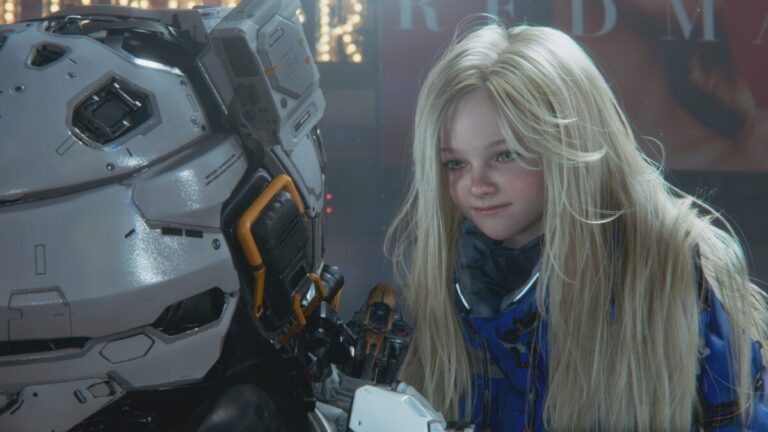
The Capcom-developed adventure follows Hugh, an engineer suited in appropriately bulky space gear, and Diana, a child-like android dressed in oversized Patagonia gear, as they navigate the lunar environment. While the game’s scope and setting recall earlier eras of game design, Pragmata distinguishes itself through painstaking technical detail. Among the most ambitious of these details is Diana herself—specifically, her hair.
The character’s flowing locks were animated using the RE Engine with nearly half a million animation points, allowing individual strands to move realistically through the low-gravity lunar environment and the action sequences that punctuate the adventure. Since Diana rides piggyback on Hugh throughout the game, her hair remains constantly visible, making it both a signature visual element and a persistent demand on the system’s processing power.
The Cost-Cutting Proposal
As development progressed, Capcom’s team recognized a potential solution: give Diana a bob. According to a Famitsu report covered by Automaton Media, developers seriously considered this option as early as the initial concept art stage. The appeal was straightforward—a shorter, more styled haircut would dramatically reduce the animation complexity required for a character who is essentially always on screen.
The challenge wasn’t merely aesthetic. Animating long hair in low gravity while maintaining the character’s presence during high-flying action sequences presented technical hurdles across simultaneous platform releases with varying hardware specifications. A bob hairstyle would have been a pragmatic solution to this constraint.
Why Diana Kept Her Hair
Ultimately, Capcom chose to keep Diana’s appearance as originally envisioned. During a presentation at CEDEC this year, developers revealed the alternative designs they had explored—shorter and more styled appearances that would have substantially reduced the hair rendering requirements. However, the team determined that Diana’s distinctive look was essential to the character’s identity and the game’s vision.
Conveying Life on the Moon
The deciding factor, according to the developers, was Diana’s need to “convey a sense of life on the Moon.” This statement suggests the team viewed her appearance not as incidental but as integral to establishing the game’s tone and setting. The flowing hair, constantly reacting to the lunar environment, contributed to that sense of otherworldliness and vitality that distinguished Pragmata from more grounded sci-fi experiences.
The Performance Gamble
The decision to maintain Diana’s full hair animation represented a calculated risk. Pragmata is an original IP in an era when even established franchises struggle to maintain sales momentum, making the performance cost particularly significant. Yet the investment paid off—the game secured strong reception without requiring the optimization measure its developers had considered.
Technical Achievement and Resource Management
The RE Engine proved capable of handling the processing demands of Diana’s animation without compromising the broader experience. This success underscores how modern game engines, when properly optimized, can accommodate ambitious visual details without necessitating artistic compromise.
The half-million animation points represent not just technical specification but intentional design philosophy. Every strand of Diana’s hair responds to physics simulation, the lunar environment, and gameplay action. This level of detail would have been impossible with earlier rendering approaches and speaks to how computational power has enabled developers to realize increasingly precise visions.
Capcom’s Balancing Act
Pragmata’s success reflects a broader strategy at Capcom that balances remakes, sequels, and new intellectual properties. The studio’s willingness to invest in an original sci-fi adventure—complete with technically ambitious character animation—demonstrates confidence earned through successful franchises like Resident Evil.
Rather than treating technical constraints as insurmountable obstacles, the developers approached them as challenges to solve creatively. The bob hairstyle option represented one path; maintaining Diana’s design represented another. The choice to pursue the latter required confidence that the RE Engine and the studio’s optimization efforts could deliver the experience without compromise.
What the Decision Reveals
The anecdote of Diana’s almost-bob is instructive about modern game development. When developers face technical and performance pressures, the instinct often tilts toward pragmatism—reducing scope, cutting details, simplifying designs. Capcom’s choice to resist this impulse, even for a comparatively small element like a character’s hair, suggests a studio confident enough to prioritize artistic vision when the returns justify the investment.
Pragmata’s April release and subsequent reception validated this decision. The game found its audience not by compromising on its distinctive identity but by committing to it fully. Diana’s hair, animated across half a million points and constantly visible as she clings to Hugh’s back, remains a small but telling symbol of that commitment.
Frequently Asked Questions
What was Capcom's cost-cutting idea for Pragmata's character Diana?
Developers considered giving Diana a bob hairstyle to reduce the complexity of animating her hair, which required nearly half a million animation points and was constantly visible since she rides piggyback throughout the game.
Why did Capcom decide to keep Diana's original hair design?
The team determined that Diana's appearance needed to "convey a sense of life on the Moon" and was integral to the character's identity and the game's overall vision, making it worth the performance cost.
When did Pragmata release and how was it received?
Pragmata released in April, impressing both critics and players with respectable sales figures for an original sci-fi adventure, demonstrating that Capcom's investment in technical detail and artistic vision paid off.
