
Key takeaways
- Ninjala 2: The Uncharted Planet abandons the original’s competitive multiplayer focus entirely, replacing it with a PvE open-world structure built around four-player co-op combat, available in both local and online modes.
- GungHo Online Entertainment has positioned Ninjala 2: The Uncharted Planet as the “first chapter of a two-part saga,” establishing a long-term narrative roadmap that extends well beyond the 2027 launch window.
- GungHo Online Entertainment is strategically deploying multiple community-building initiatives ahead of the Spring 2027 launch, beginning with the first playable demo at Anime Expo 2026 in Los Angeles.
- The original Ninjala released on June 24, 2020, for the Nintendo Switch as a free-to-play title, establishing itself as a defining multiplayer experience on that hardware generation.
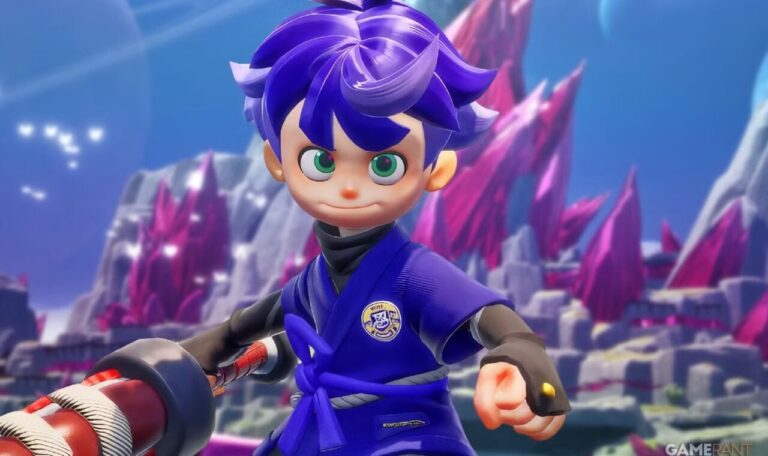
GungHo Online Entertainment announced Ninjala 2: The Uncharted Planet exclusively for Nintendo Switch 2 during a Nintendo Direct on June 9, 2026, marking the franchise’s first open-world evolution since the original’s 2020 launch. The sequel launches in Spring 2027 and transforms the high-energy player-versus-player competitive experience into a quest-driven open-world adventure where players traverse alien landscapes at their own pace. This radical genre shift represents one of the most significant pivots in the franchise’s history, leveraging the Switch 2’s modern hardware capabilities to deliver a fundamentally different gameplay experience.
From Competitive Multiplayer to Open-World Adventure
Ninjala 2: The Uncharted Planet abandons the original’s competitive multiplayer focus entirely, replacing it with a PvE open-world structure built around four-player co-op combat, available in both local and online modes. The official promotional materials state that players will “adventure across vast landscapes on a quest to return to Earth” while mastering diverse Ninja Gum actions including the returning Gum Boost and Gum Balloon mechanics, plus an entirely new Gum Hook traversal system designed specifically for speedily crossing the planet’s varied terrain. Players will score “exhilarating ‘IPPON’ victories against enemies with weapons like katanas, hammers, and rockets,” preserving the franchise’s signature high-speed combat identity while repositioning it within a cooperative narrative framework.
The development team describes this transformation as marking “a new frontier for the series,” one that maintains the core “high-speed Ninja-Gum Action combat” that defined the original while fundamentally restructuring how players engage with that combat system. Rather than battling other players in competitive arenas, players now collaborate to defeat giant foes scattered across nature-rich alien worlds, fundamentally altering the strategic and social dynamics that made the original Ninjala distinctive within the competitive gaming landscape.
A Franchise Built on Massive Success
The original Ninjala’s commercial performance justified the investment in a full sequel: the free-to-play 2020 title accumulated over 11 million downloads worldwide before the sequel’s announcement, demonstrating sustained player engagement and franchise viability across a global audience. This download figure, cited by GungHo Online Entertainment America, underscores not merely the game’s initial launch success but its ability to retain and grow its player base across six years, establishing Ninjala as a proven IP capable of supporting major development initiatives.
The decision to develop Ninjala 2 exclusively for Nintendo Switch 2 rather than pursuing multi-platform releases signals GungHo’s confidence in the new hardware and Nintendo’s own commitment to supporting the console with exclusive, high-profile titles. By building the sequel specifically around the Switch 2’s capabilities rather than developing a scaled version for legacy hardware, the developer ensures that the open-world scope and graphical fidelity remain optimized for the platform, avoiding the technical compromises that often plague multi-platform projects.
A Two-Part Narrative Saga Unfolds
GungHo Online Entertainment has positioned Ninjala 2: The Uncharted Planet as the “first chapter of a two-part saga,” establishing a long-term narrative roadmap that extends well beyond the 2027 launch window. The protagonist, a young ninja student from the WNA Academy, is “hurled into an unknown world after breaking a forbidden seal,” creating a compelling setup for both the immediate adventure and the inevitable sequel that will presumably conclude this multi-game story arc.
This narrative structure indicates that the studio views Ninjala 2 not as a standalone experience but as the opening movement of an extended franchise renaissance, with the first installment’s conclusion deliberately setting up the second chapter. Such long-term storytelling commitments signal creative ambition extending far beyond typical sequel expectations, positioning the franchise for sustained relevance throughout the Switch 2’s lifecycle.
Building Community Momentum Before Launch
GungHo Online Entertainment is strategically deploying multiple community-building initiatives ahead of the Spring 2027 launch, beginning with the first playable demo at Anime Expo 2026 in Los Angeles. The exclusive demo, available July 2–5 at West Hall booth #2316, features two distinct experiences: a Planetary Exploration Course emphasizing combat and a Photography Course focused on sightseeing, allowing attendees to sample both the action and exploration dimensions of the sequel.
Simultaneously, GungHo is releasing the first 63 episodes of the Ninjala anime series sequentially starting June 12, 2026, on the Official Ninjala YouTube channel, with over 200 episodes total available to new players seeking to understand the franchise’s lore before the sequel arrives. This coordinated multimedia strategy—combining hands-on demo opportunities, free streaming content, and a major hardware partnership—reflects a comprehensive approach to audience development that extends far beyond traditional game marketing.
A Hardware Success Story in the Making
The original Ninjala released on June 24, 2020, for the Nintendo Switch as a free-to-play title, establishing itself as a defining multiplayer experience on that hardware generation. Ninjala 2: The Uncharted Planet explicitly requires Switch 2 hardware and is not backwards compatible with the original console, making it a true next-generation title that fully leverages the new platform’s capabilities rather than maintaining legacy support.
This hardware exclusivity positions the sequel as a flagship launch-window experience for the Switch 2, designed to showcase what the new platform can deliver to players accustomed to the original’s technical limitations. By building exclusively for modern hardware rather than constraining the vision to maintain compatibility, GungHo demonstrates confidence in both the Switch 2’s market penetration and its ability to drive compelling exclusive software experiences.
Critical Moments Ahead for the Franchise
The Anime Expo 2026 demo represents the first opportunity for the gaming community to experience Ninjala 2’s open-world structure firsthand, making the July event a critical moment for gauging whether the franchise’s dramatic genre pivot resonates with existing players and attracts new audiences. The attendee feedback and social media response to the hands-on experience will provide early signals about whether the transition from competitive multiplayer to cooperative open-world adventure strengthens or alienates the franchise’s core fanbase.
Spring 2027 marks the true test of GungHo’s vision, when Ninjala 2: The Uncharted Planet launches exclusively on Nintendo Switch 2 and players worldwide discover whether the franchise’s transformation delivers the ambitious experience the developer has promised. The sequel’s reception will determine not only the viability of the planned second chapter but also establish whether established competitive gaming franchises can successfully transition to open-world cooperative experiences while maintaining commercial and critical relevance.
