
Key takeaways
- MatPat signed a multi-project film development deal with Blumhouse Productions to adapt indie horror games for theatrical release.
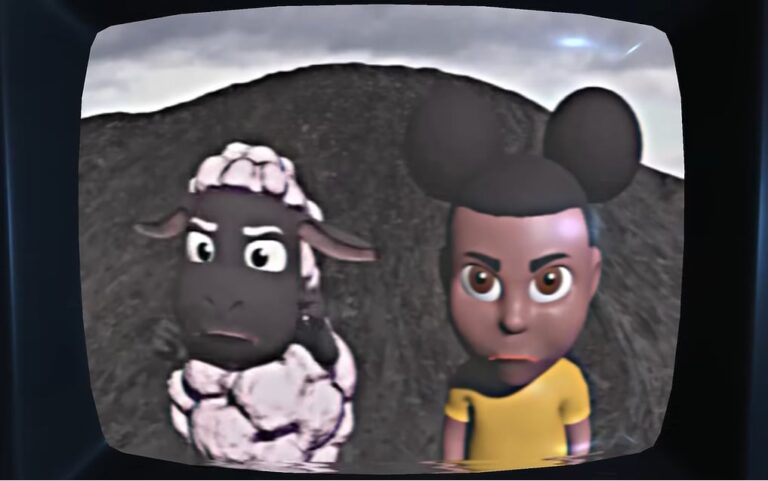
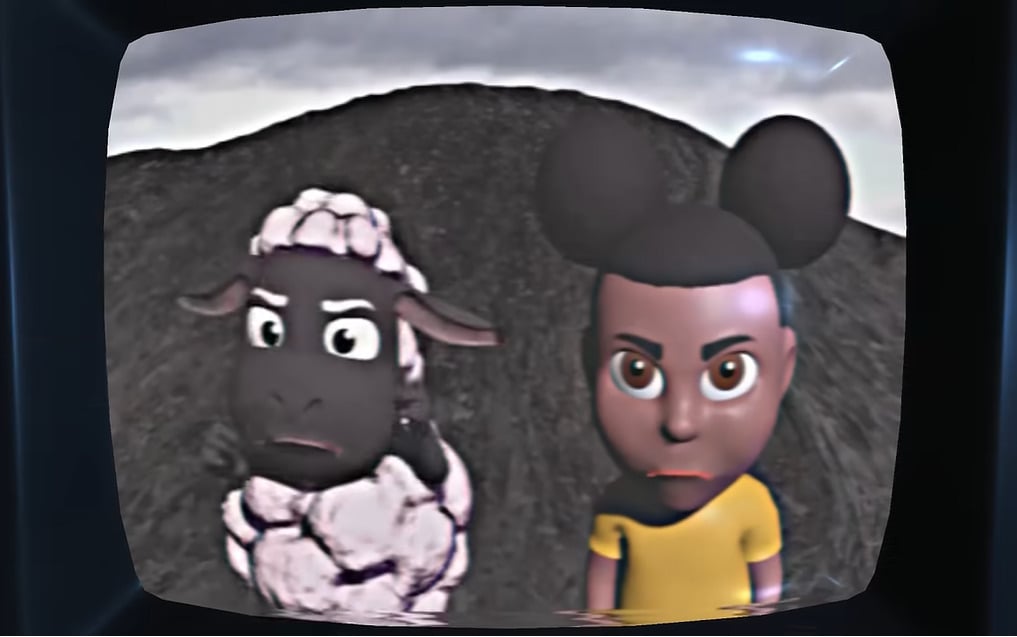
- Amanda the Adventurer, a 2022 puzzle horror game about uncovering a sinister children's TV program, will be the first film developed under the partnership.
- Game Theory's fifteen-year focus on Five Nights at Freddy's transformed the game into a worldwide phenomenon and proved indie horror's commercial viability.
- Patrick's influence shaped indie horror into a recognizable style centered on conspiracy narratives and sinister versions of children's entertainment.
Matthew Patrick, professionally known as MatPat, has secured a multi-project film development agreement with Blumhouse Productions. The announcement came this week at New York Comic Con, marking a significant expansion of the YouTube creator’s career into theatrical film production. Blumhouse Productions, the studio behind The Purge franchise and Jordan Peele’s Get Out, will develop and produce these horror adaptations.
Amanda the Adventurer, released in 2022 by developer DreadXP, will launch the partnership. The game operates through tape-based discovery mechanics, challenging players to uncover the truth about an increasingly sinister children’s television program. Players progress by examining recorded fragments and artifacts, gradually assembling a narrative from incomplete evidence. This structure of incremental revelation through found media forms the thematic and mechanical foundation for the forthcoming film.
Fifteen Years Building FNAF Into A Phenomenon
Patrick’s path to this opportunity traces directly to Game Theory, his video series devoted primarily to Five Nights at Freddy’s analysis and speculation. Over fifteen years, these videos constructed elaborate interpretations of Scott Cawthon’s animatronic horror franchise, combining game analysis with sustained speculation about narrative intent and hidden lore.
From Flash-in-the-Pan to Unkillable Sensation
Game Theory videos proved instrumental in elevating Five Nights at Freddy’s from an initial internet success into what the source describes as an “unkillable sensation.” The videos did not simply explain FNAF to viewers; they actively shaped how audiences understood the franchise’s increasingly complex mythology. By divulging connections and speculating about Scott Cawthon’s narrative intentions, Patrick constructed interpretive frameworks that influenced the franchise itself and captured audience imagination at depths normally reserved for established media properties.
The Lore Becomes Institutional
The mythology surrounding FNAF’s animatronics grew so intricate that, as the source notes, it became “so infamously tangled that only the most screen-addled pre-teens can parse it.” Yet those same pre-teens invested significant time doing exactly that. They discussed theories with family members, shared interpretations online, and collectively elaborated on the franchise through frameworks established by Game Theory. Patrick’s channel achieved institutional status within indie horror communities, where players, creators, and the franchises themselves began to reference his video analyses.
Commercial Proof: From YouTube to Box Office
Five Nights at Freddy’s proved the commercial viability of this pathway. Blumhouse released the first FNAF film in 2023, which the source characterizes as not achieving critical success but functioning as “an amazing money maker.” While the film did not impress reviewers, it demonstrated that indie horror properties maintained sufficient audience loyalty and cultural presence to justify production budgets and theatrical distribution. A sequel arrived in 2025, and Patrick appeared in cameo roles in both films, directly integrating his YouTube presence into the theatrical franchise expansion.
Shaping the Indie Horror Landscape
Game Theory’s influence radiated outward across the independent horror ecosystem. The channel cultivated and amplified a particular vocabulary for indie horror, one centered on conspiracy-heavy narratives and unsettling recontextualizations of children’s entertainment. Games including Poppy Playtime, Baldi, and Bendy emerged within or benefited significantly from this ecosystem.
A Cyclical Pattern of Growth
The relationship between creator and game became self-reinforcing. Game Theory videos would analyze an indie title, online discussion would proliferate, the game’s audience would expand, and franchises would develop accordingly. This cyclical pattern allowed indie horror properties to achieve cultural penetration impossible through traditional marketing alone.
The Inversion of Childhood Icons
The movement produced a peculiar cultural effect: traditional mascots of children’s entertainment lost cultural currency compared to their sinister indie horror counterparts. The source describes the indie horror template as featuring “children’s playthings that murder people,” a thematic inversion that transformed what should represent comfort into sources of dread. This shift demonstrates how thoroughly indie horror reconceived the symbols and settings of childhood entertainment.
The Blumhouse Partnership
Patrick framed the partnership as an effort to amplify properties deserving wider recognition. During his Comic Con presentation, he stated: “The idea is that I’m taking some of my favorite indie games and horror channels from the online interwebz [sic] and I am partnering with Blumhouse to bring them to the big screen. We are giving them the spotlight that they deserve, the megaphone they need, because they’re incredible.”
The deal encompasses multiple projects, though only Amanda the Adventurer has been formally confirmed. When Comic Con attendees suggested other potential adaptations, one person called out Slender Man. Patrick rejected the suggestion without hesitation: “They already tried Slender Man. That ship has sailed my friend.” The remark acknowledged both prior cinematographic attempts to adapt Slender Man and the strategic focus on indie horror properties that have not yet received major studio treatment.
Formalizing the Discovery Process
The partnership represents a transition in Patrick’s institutional role. Game Theory established him as the primary interpreter of indie horror narratives, a guide for audiences seeking deeper understanding of complex game mythologies. The Blumhouse agreement repositions him as curator and developer, identifying which indie titles possess the narrative architecture and dedicated following necessary for theatrical adaptation. Rather than analyzing indie games from outside the studio system, Patrick now operates as a creative stakeholder actively shaping which properties reach mainstream audiences and how they transform into films.
Blumhouse’s track record with horror, from The Purge franchise through collaborations with Jordan Peele, suggests the studio has cultivated expertise in identifying properties with commercial viability within the horror market. The addition of Patrick’s analytical credibility and audience trust appears designed to systematize the discovery process that Game Theory pioneered organically, transforming a pattern of YouTube analysis into a formal studio development pipeline.
Source: Kotaku
Frequently Asked Questions
What is Amanda the Adventurer?
A 2022 puzzle horror game by developer DreadXP where players uncover the mystery of an increasingly sinister children's television program through tape-based discovery mechanics, examining recorded fragments and artifacts to assemble the narrative.
How did MatPat influence Five Nights at Freddy's becoming a phenomenon?
His Game Theory video series spent fifteen years analyzing and speculating about FNAF's lore, constructing interpretive frameworks that shaped how audiences understood the franchise's mythology and directly influenced its expansion into a worldwide phenomenon.
Will other indie horror games be adapted under this Blumhouse deal?
The agreement is multi-project, but Amanda the Adventurer is the only title formally confirmed for adaptation so far.
