

Key takeaways
- Dontnod reported a 56% revenue decline to €6.1 million in H1 2026 and warned of material uncertainty regarding continued operations beyond January 2027.
- The studio is considering layoffs affecting up to 90 positions and will consolidate French operations around a single development project to reduce costs.
- Tencent, which owns 41.9% of Dontnod, has declined to provide emergency funding, leaving the studio dependent on its unannounced Netflix narrative game project.
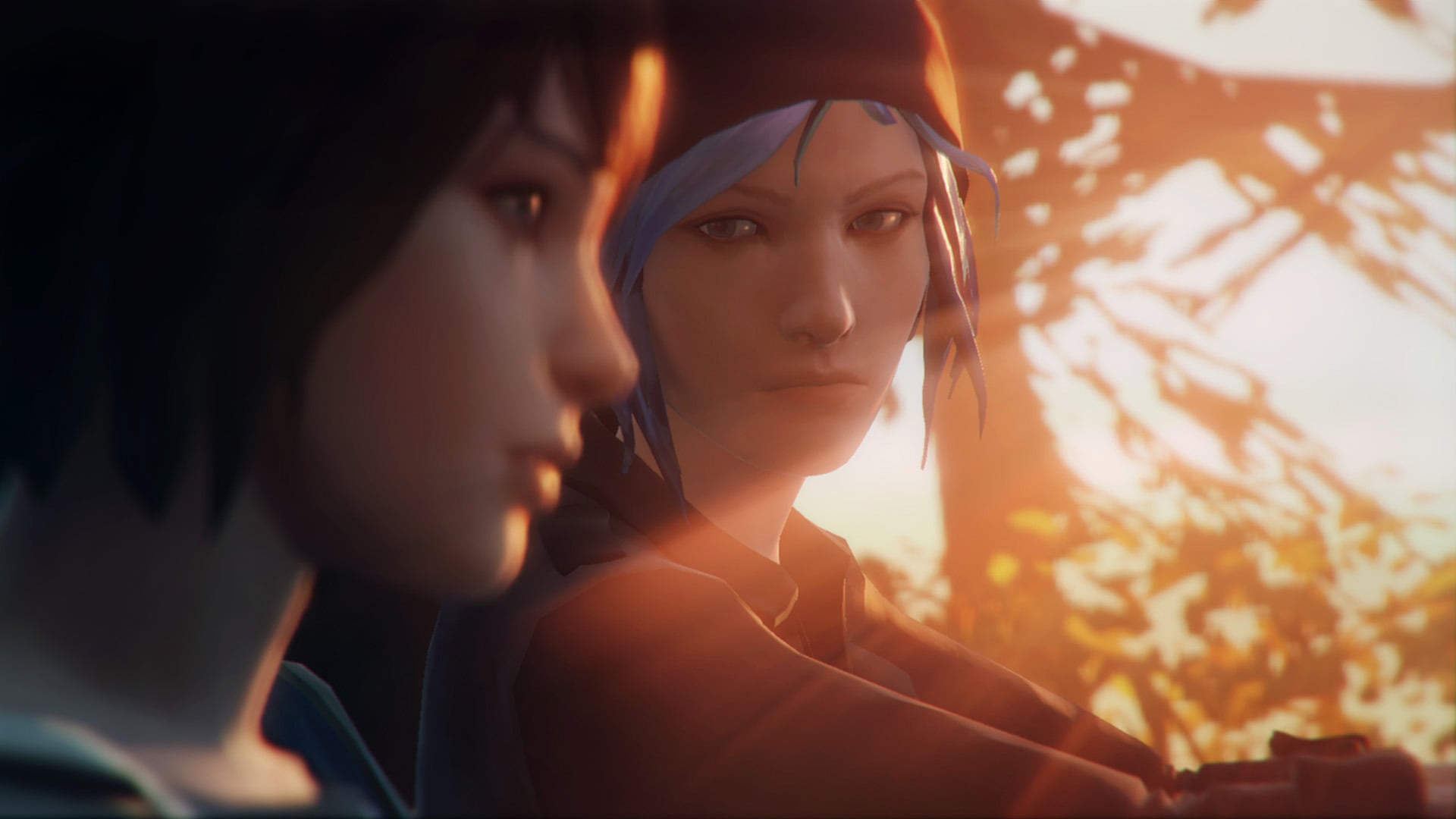
Dontnod Entertainment, the studio behind the original Life Is Strange and recent titles Lost Records: Bloom and Rage and Aphelion, disclosed this week that its financial future hangs by a thread. In formal statements released to financial authorities, the independent French developer revealed it faces material uncertainty regarding its ability to continue operating beyond January 31, 2027, without substantial external investment materializing in the coming months.
The revelation marks a dramatic reversal of fortune for a studio that spent the past decade establishing itself as one of gaming’s most reliable voices in character-driven, narrative-heavy experiences. The company now grapples with the real possibility of layoffs affecting up to 90 positions and, in a worst-case scenario, complete closure.
The Revenue Collapse
Dontnod’s financial statements paint an unambiguous picture of commercial distress. The studio reported €6.1 million in revenue during the first half of 2026, representing a catastrophic 56-percent decline compared to the corresponding period in 2025 when Lost Records: Bloom and Rage drove earnings.
The magnitude of this revenue drop cannot be attributed to typical quarterly variation. Rather, it suggests a fundamental gap in the commercial performance of the studio’s recent output. The company explicitly acknowledged in its public filings that the period following Aphelion’s release failed to match the performance expectations set by Lost Records the previous year.
This revenue contraction has immediately impacted the studio’s balance sheet. Cash and liquid assets—essential for covering payroll, development costs, and operational expenses—have contracted proportionally, leaving the company unable to sustain current operations without either dramatic cost reductions or external capital injections.
The Going Concern Warning
When a publicly traded or significant company declares “material uncertainty regarding the company’s ability to continue as a going concern,” it represents one of the most severe warnings a corporation can issue. Dontnod’s inclusion of this language in its financial statements is not boilerplate—it is a formal declaration that the company views its continued existence as uncertain.
The specific date cited—January 31, 2027—provides a deadline of just over four months. This timeline effectively defines the window in which Dontnod must either stabilize its financial situation or face the prospect of being unable to meet its obligations.
What Happened with Aphelion
Aphelion, the science fiction adventure Dontnod released in 2026, appears to be the immediate trigger for the studio’s current crisis. As Dontnod’s most recent commercial release, the game’s sales performance fell dramatically short of the revenue levels required to maintain the studio’s current operational structure.
The performance gap between Lost Records (2025) and Aphelion (2026) is particularly instructive. While Lost Records provided sufficient revenue to sustain operations, Aphelion did not replicate that commercial performance. For a studio of Dontnod’s size—which faces potential loss of up to 90 positions—even a modest decline in per-release revenue becomes an existential threat within quarters.
Commercial Underperformance
The failure of Aphelion to match Lost Records’ performance suggests potential challenges in audience reception, critical response, or market positioning. Whether the issue stems from genre preferences, platform availability, marketing effectiveness, or the inherent quality of the product remains unclear from public statements, but the commercial reality is unambiguous.
The Restructuring Plan
In response to its financial crisis, Dontnod has outlined plans for what it terms a “transformation of its direction”—a euphemism masking dramatic downsizing. The studio is considering the elimination of up to 90 positions, though the final scope has not been confirmed.
Alongside these layoffs, Dontnod plans to consolidate its French teams around a single development project. This strategic narrowing represents a departure from Dontnod’s historical practice of running multiple projects in parallel. By concentrating resources, the studio hopes to either deliver a successful game that attracts new funding or reduce burn rate to extend the runway until alternative financing materializes.
Massive Staff Reductions
The reduction of 90 positions would represent a significant percentage of a mid-sized independent studio’s workforce, effectively cutting Dontnod’s capacity to initiate new projects or maintain multiple simultaneous productions.
The Netflix Gamble
Dontnod’s primary financial lifeline is an unannounced narrative game based on a major Netflix intellectual property, in development by the Montreal team. This project has already secured investment and represents the studio’s most concrete hope for stabilizing its financial situation.
Netflix’s greenlight of the project suggests confidence in Dontnod as a developer of character-driven experiences, indicating that the company’s reputation for narrative work remains intact despite recent commercial disappointments. However, this single project carries extraordinary pressure: success could provide revenue and leverage for additional funding, while failure might leave Dontnod without runway to survive.
Tencent’s Non-Intervention
Tencent, which acquired a 41.9-percent stake in Dontnod during 2021, has declined to provide emergency capital despite being the studio’s largest shareholder. This refusal suggests either loss of confidence in Dontnod’s viability or a corporate decision that the studio is not a priority, particularly notable given that Tencent routinely supports other gaming investments within its portfolio.
The absence of support from its own majority shareholder leaves Dontnod dependent on third parties—primarily Netflix through the unannounced narrative game—for the funding necessary to extend past January 2027.
What Comes Next
Dontnod faces a narrowing window of opportunity. The company must secure external funding or complete restructuring by January 2027, or face closure. The studio has not ruled out complete closure, acknowledging in its statements that scenarios exist in which operations cannot continue.
The situation underscores the precarity of independent studios in a market where a single underperforming game can threaten a company’s existence. Despite Dontnod’s established reputation for narrative gaming, artistic credibility has not translated to sufficient financial stability to weather a revenue downturn.
Frequently Asked Questions
What is Dontnod Entertainment?
Dontnod is a French game developer known for creating the original Life Is Strange franchise, as well as more recent titles Lost Records: Bloom and Rage and Aphelion.
Why is Dontnod in financial trouble?
The studio experienced a 56% revenue decline in H1 2026 compared to the previous year, with the underperformance of Aphelion falling short of the revenue levels needed to sustain operations.
What is Dontnod's plan to survive?
The studio is developing an unannounced narrative game for Netflix, considering layoffs of up to 90 positions, and consolidating its French team around a single project while seeking external funding before January 31, 2027.
