
Key takeaways
- Call of Duty: Black Ops and Black Ops 2 launched on PlayStation 4 and 5 in July 2026 at $40 each without new features or DLC, immediately charting among 2026's top sellers.
- Treyarch level designer Gavin Goslin, who worked on both originals for 15 years, called the success bittersweet because executives received massive bonuses while original creators received nothing.
- The game industry lacks residual payment systems that are standard in Hollywood, leaving developers unable to earn ongoing compensation when legacy work is re-released or remastered.
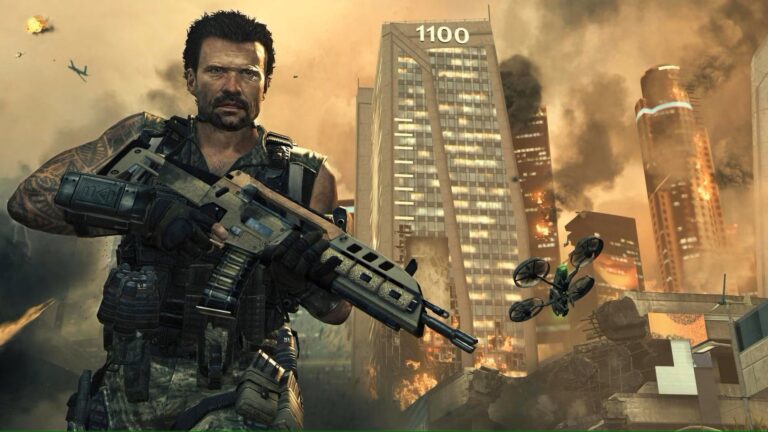
Call of Duty: Black Ops and Black Ops 2 returned to PlayStation stores in July 2026 as straightforward digital re-releases. At $40 per title, neither game included new features, remastered assets, or the paid DLC from original release periods. Despite this minimal approach, both ports immediately entered the Circana US Top 10 for weekly active users and will likely rank among 2026’s best-selling titles overall. The commercial success prompted commentary from Gavin Goslin, a Treyarch level designer and artist who spent 15 years at the studio and worked directly on both original games.
The Return of Classic Multiplayer
Activision released Black Ops and Black Ops 2 on PlayStation 4 and PlayStation 5 as digital ports priced at $40 apiece. The re-releases contained no new features and excluded all paid DLC that had existed in the originals’ live service. Despite these limitations, both games charted immediately among the most actively played titles in 2026 and emerged as top sellers for the year.
Commercial Performance
The market response defied expectations for simple legacy ports. Players nostalgic for Call of Duty’s earlier era, when the franchise prioritized tight, fast-paced gameplay over scale and progression systems, purchased both titles in large numbers. Within weeks of launch, both games reached the Circana US Top 10 for weekly active users, a position typically reserved for new releases or major live service updates. Activision and Microsoft benefited from this sustained demand without releasing any new content or investing in enhancements.
Limited Content Package
Each re-release arrived stripped of supplementary material. The $40 price matched standard new-release pricing, yet buyers received no cosmetics, maps, or other paid content from the originals. Activision made no compensatory gestures, no bundle discounts for players who owned both games on previous platforms, no exclusive cosmetics to justify the price point. The decision to withhold DLC proved commercially irrelevant; players purchased regardless.
A Developer’s Complicated Legacy
Gavin Goslin’s 15-year tenure at Treyarch positioned him as a direct stakeholder in the Black Ops success. As a level designer and artist, he contributed foundational work to both titles. On LinkedIn, Goslin framed the re-releases’ popularity with an acknowledgment of both pride and frustration.
Goslin wrote: “The recent Black Ops 1 and Black Ops 2 digital drops on PlayStation proved a couple of things. First, today’s gaming landscape is starved for the tight, high-quality experiences we used to get. Second, these legacy titles are still massive money-makers for Activision and Microsoft. Despite being basic $40 digital re-releases with zero new features, both titles immediately shot into the Circana US Top 10 for weekly active users. They are printing money off of work completed over a decade ago.”
Recognition Versus Reward
Goslin expressed pride in the games’ continued relevance. “Seeing our blood, sweat, and tears still dominating the charts in 2026 is amazing,” he stated. Yet this satisfaction carried complications. His actual words: “It’s hard to watch the suits rake in giant financial windfalls from our old code while the actual creators don’t see a dime of it.”
The disparity reflected a structural problem. Goslin had described his effort during original development: “I poured my life into those games, spending countless, brutal hours in crunch alongside an incredibly talented team to make sure they were perfect.” That exhausting work generated revenue in 2026 for Activision and its executives while Goslin received no additional compensation.
The Compensation Imbalance
Goslin directly named the executive incentive structure. Game executives, he noted, collected “massive bonuses” when legacy titles were re-released or remastered successfully. Developers who had spent years creating the original games received nothing, not because studios lacked funding or profit margin, but because the game industry does not employ backend participation or residual payment systems. In film and television, creators receive ongoing compensation when their work generates revenue through syndication, re-broadcasts, or new distribution channels. Gaming has no equivalent mechanism.

Why Residuals Remain Absent from Gaming
The structural difference between game development and film and television production affects all developers, not just prominent figures like Goslin. When a developer signs a contract with a studio or publisher, they surrender all rights to the work. They receive a salary and, sometimes, a one-time bonus tied to ship date or first-week sales. Beyond that point, any revenue the title generates, whether immediate or across decades, belongs to the company.
Goslin called for systemic change: “That wealth needs to be shared retroactively. Legacy revenue should mean legacy rewards for the devs who survived the crunch to build them.” His framing centered on fairness and acknowledgment of effort. The developers who created commercially successful work should participate in its ongoing financial success, just as Hollywood principles extend residual payments to writers, actors, and directors when their work reaches audiences years later.
Crunch as a Prerequisite
The original Black Ops launched in 2010, with its sequel following in 2012. Both received significant resources and development cycles at Treyarch. Goslin’s testimony indicates that reaching both games’ final quality required intensive labor beyond standard work hours. The crunch culture, extended working hours often without additional compensation, remains normalized across the industry, particularly for titles targeting the holiday market or facing competitive pressure.
That cultural practice is inseparable from developer compensation discussions. Studios have built business models around extracting maximum effort under conditions that produce fatigue, burnout, and health consequences. When those efforts generate revenue a decade later through re-releases, the absence of residuals compounds the original sacrifice. Developers absorbed the costs of crunch without receiving proportional reward for their labor.
The Broader Industry Question
Goslin’s commentary reflects a wider tension within game development between corporate profit and creator compensation. As publishers increasingly monetize legacy work through remasters, re-releases, and porting efforts, the gap between executive benefits and developer benefits widens. A game released in 2010 can generate meaningful revenue in 2026 without requiring any new development labor from its original team, yet the revenue distribution favors only corporate stakeholders.
The Black Ops re-releases proved the market hunger for older titles executed at quality standards. Whether the industry responds to that demand by reforming compensation structures, implementing residual systems, or addressing crunch remains uncertain. What is clear: a developer who spent 15 years building foundational work for one of gaming’s largest franchises will not see financial benefit when that work becomes a bestseller again.
Source: Kotaku
Frequently Asked Questions
When did Call of Duty: Black Ops and Black Ops 2 re-releases launch?
Both games launched in July 2026 on PlayStation 4 and PlayStation 5, priced at $40 each without new features or additional DLC.
What did Gavin Goslin say about the re-releases?
Goslin, who worked at Treyarch for 15 years as a level designer and artist on both games, described the success as bittersweet. He said executives receive massive bonuses from the re-releases while original developers receive no compensation.
Why don't game developers receive ongoing payments from re-released games?
The game industry does not employ residual payment systems like those in Hollywood. Developers sign contracts that transfer all rights to publishers, so all revenue from re-releases and remasters goes to companies and executives, not creators.
