

Key takeaways
- Jack Mathews, lead technical engineer of the original Metroid Prime trilogy, called Sol Valley a fundamental waste of Metroid Prime 4's development resources.
- Sol Valley was unprecedented in the series, requiring developers to build systems from scratch rather than iterate on familiar dungeon design.
- Developers couldn't predict how long Sol Valley features would take to implement or whether they would feel fun, making it impossible to schedule accurately.
- Retro Studios inherited Sol Valley from Bandai Namco during the game's reboot and had to work around existing systems rather than redesign from scratch.
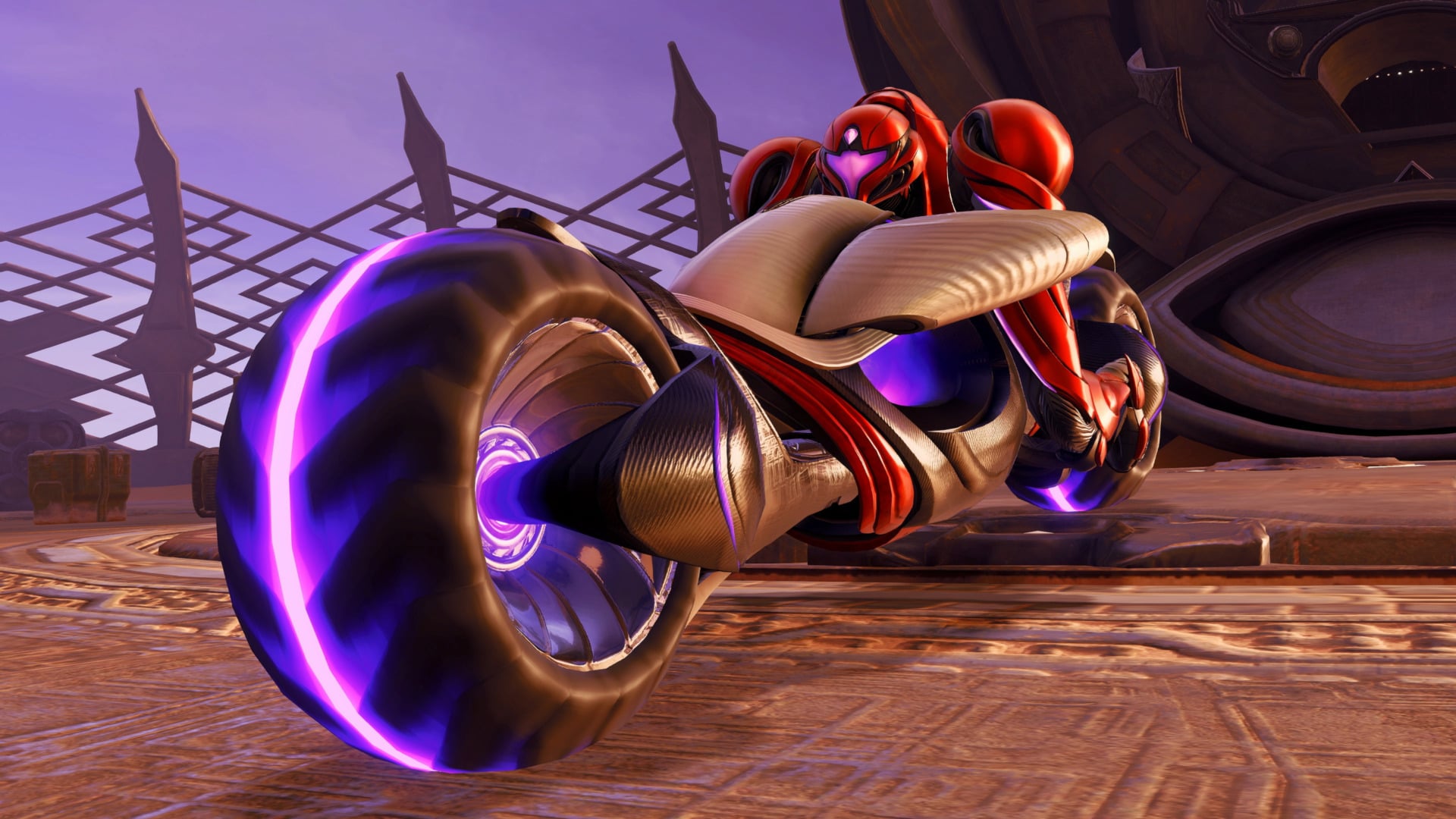
Metroid Prime 4 excels when Samus navigates themed biomes, solves environmental puzzles, and engages enemies in combat. The game falters during Sol Valley, a desert region where players pilot a bike over sand dunes. This tonal shift drew pointed criticism. In Kotaku’s review, the desert area—called Sol Valley in-game—was labeled “the most baffling part of Prime 4,” a place where the desolate setting felt disconnected both mechanically and narratively from the rest of the experience. Now an explanation for this design choice has emerged from someone uniquely positioned to evaluate it: Jack Mathews, the lead technical engineer of the original Metroid Prime trilogy.
Speaking with YouTuber Kiwi Talks (via VGC), Mathews offered his perspective on why Sol Valley represents a misstep, revealing fundamental tensions in how Metroid Prime 4 came together. His analysis suggests the bike sections weren’t merely poorly executed—they may never have belonged in the game at all.
A Feature With No Precedent
Mathews drew a pointed comparison between Sol Valley and the expansive ocean in The Legend of Zelda: Wind Waker, calling it the “Zelda ocean” of Metroid Prime 4. The descriptor is revealing: Sol Valley was the first bike-focused traversal section ever attempted in a Metroid game. By contrast, the dungeons scattered throughout Prime 4—Fury Green, Volt Forge, Ice Belt, among others—follow design principles established and refined across the entire original trilogy. Developers working on these familiar environments drew from years of institutional knowledge and proven design templates.
Sol Valley demanded something entirely different. Building a bike system from scratch meant constructing new mechanics, new assets, and entirely new design frameworks with no reference point in the series’ history. This wasn’t iteration; it was invention.
The Resource Question
Mathews’ critique centers on opportunity cost. “It’s just a waste,” he said bluntly. “It’s a split of resources that makes no sense.” The labor and engineering time spent creating Sol Valley came directly from a finite pool of development capacity. Any resource devoted to building the bike system was unavailable for strengthening the core experiences Metroid Prime 4 does well—dungeon design, puzzle complexity, combat refinement.
The Estimation Problem
Beyond the straightforward allocation of resources, Sol Valley presented a specific technical headache: it was impossible to schedule. Mathews explained the compounding problem facing developers tasked with building something unprecedented. For familiar dungeons, teams could estimate timelines based on decades of accumulated experience. With Sol Valley, every decision was experimental.
“You need to make this whole system, make it fun,” Mathews said. “With Sol Valley, it’s like, how do you clarify that risk? How do you know how long it’s going to take to build anything in that, to find fun in that, to know if it will be fun? And how do you schedule it?”
Developers couldn’t reasonably predict how long it would take to implement features when those features had never been built before. They couldn’t know which design decisions would work until they tested them. They couldn’t schedule work around outcomes they couldn’t predict. This uncertainty ripples through production planning, making it difficult to allocate team members, set milestones, and protect other aspects of development from delays.
The Reboot and Its Constraints
Inheriting Another Team’s Decisions
Understanding why Sol Valley exists requires examining Metroid Prime 4’s development history. The game was initially developed by a team at Bandai Namco before Nintendo opted to restart the project. Retro Studios—the developer behind the original trilogy—was brought in to take over. When Retro assumed control, they inherited Bandai Namco’s existing work, including Sol Valley.
This created a difficult position for Retro. The bike system was already integrated into the game’s architecture. Starting from scratch with a complete redesign would have added months to the project timeline. Removing it entirely would have left a gap in the game’s content and pacing. So Retro worked with what existed, even if it represented a design direction they might not have chosen independently.
Restating the Problem
Mathews articulated what he believed Retro Studios should have prioritized: “If I am Retro, I’m trying to make as similar of a game as possible, have an understanding of what I’m making, and do what I think was and is fun. And Sol Valley just makes no sense.” The implication is clear. Retro didn’t invent Sol Valley; they inherited it. Working around an established system they didn’t design was a compromise that Mathews suggests compromised the game.
Familiar Versus Experimental
The contrast Mathews identified reflects a deeper principle in game design. The dungeons of Metroid Prime 4 represent the core identity of the franchise—spaces built around exploration, environmental puzzle-solving, and combat encounters. These elements define what Metroid is. Sol Valley represents a departure, a gameplay system the series had never attempted, a diversion from what the franchise is known for.
When established games add features that contradict their mechanical identity, the risk isn’t just awkwardness in individual moments. The development cost spirals as the team navigates unfamiliar design space where success is uncertain and precedent is nonexistent. Mathews’ assessment suggests those costs weren’t justified by the outcome.
The Architecture of a Reboot
Mathews carried decades of experience shipping the Metroid Prime trilogy when he made these observations. His critique isn’t that Sol Valley was poorly designed or inadequately tested. It’s that Sol Valley shouldn’t have been developed at all—that resources directed there would have produced greater value anywhere else in the game. His perspective carries particular weight because he understands the technical systems that make Metroid Prime work at its core.
The situation also illuminates a recurring challenge in game development: when a project changes hands mid-production, what do you do with the existing work? Abandoning it means sunk cost and schedule delays. Keeping it means living with design decisions you didn’t make, in service to systems you didn’t conceive. For Metroid Prime 4, Mathews’ analysis suggests Retro chose the path that cost less time but compromised the final product.
Source: Kotaku
Frequently Asked Questions
Who is Jack Mathews and why does his opinion on Metroid Prime 4 matter?
Mathews is the lead technical engineer for the original Metroid Prime trilogy. He has decades of experience building the systems that define how Metroid Prime works, making his analysis of Prime 4's design decisions particularly relevant.
What is Sol Valley in Metroid Prime 4?
Sol Valley is a desert biome where players control Samus on a bike, popping wheelies over sand dunes. It was the first bike-based traversal section ever included in a Metroid game.
Why did Mathews compare Sol Valley to The Legend of Zelda: Wind Waker?
He called it the "Zelda ocean" because both are open, large-scale gameplay systems that had never appeared in their respective franchises before, requiring developers to build unprecedented systems rather than iterate on familiar design patterns.
