
Key takeaways
- Dune 2 is one of the earliest and most influential real-time strategy games, shaping how Blizzard and the entire genre developed.
- The game's licensing is fractured among EA, Universal Pictures, the De Laurentiis estate, and Legendary Pictures' exclusivity deal with Funcom, making commercial re-release nearly impossible.
- GOG's Marcin Paczynski considers Dune 2 a personal 'holy grail' but cannot navigate the licensing complexity required to bring it back.
- Fan-driven preservation efforts have become the primary way classic games survive when commercial licensing becomes too tangled.
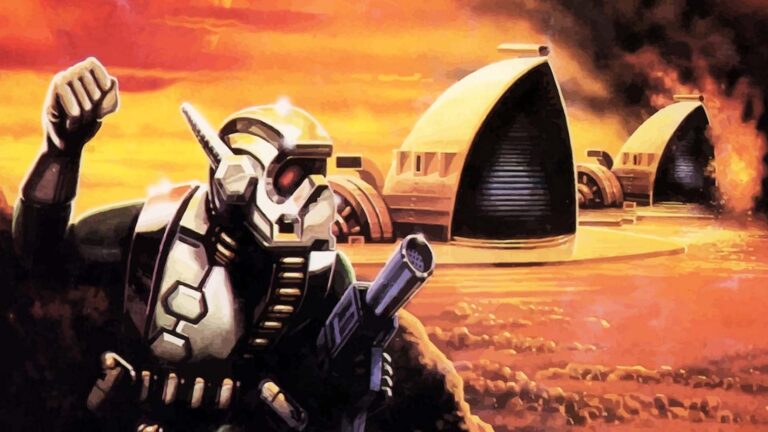
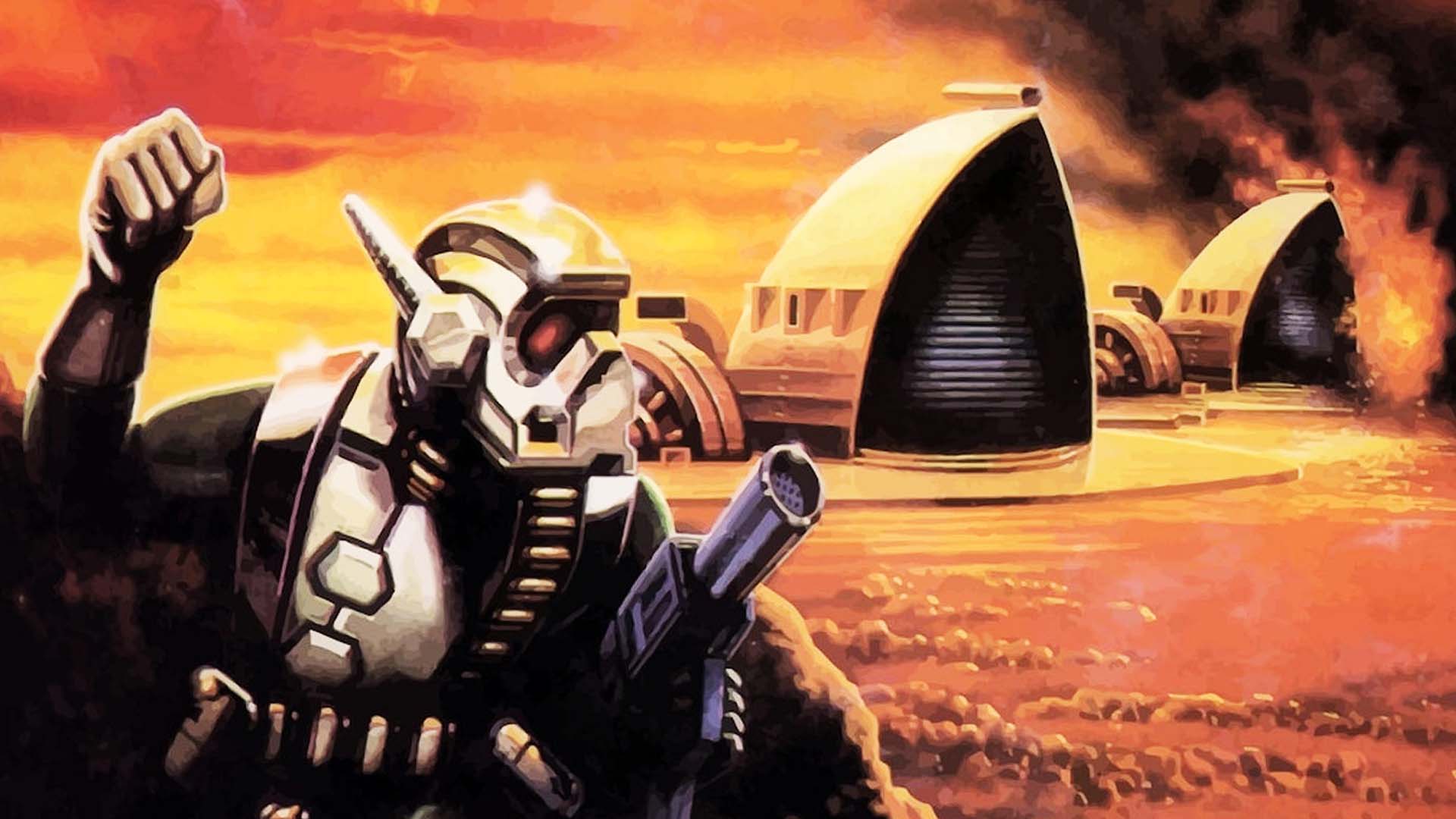
Westwood Studios’ Dune 2: The Building of a Dynasty occupies a peculiar place in gaming history: it sits among the earliest real-time strategy games ever made, providing the design blueprint that Blizzard and countless other studios would build upon for decades. Yet this foundational work remains nearly impossible to re-release officially, locked away by a rights situation so Byzantine that even dedicated preservation efforts at GOG have proven powerless to untangle it.
One of Gaming’s Most Influential Titles
The 1992 release didn’t technically invent the RTS genre, but it established the formula that would define what real-time strategy meant for the entire industry moving forward. Westwood’s design decisions shaped how Blizzard approached strategy game development, which then influenced the entire competitive gaming landscape. The chain of influence extends even further: those RTS foundations fed into the development of MOBAs like League of Legends, making Dune 2 part of an unbroken design lineage that reaches into contemporary esports.
This is the kind of game that media archivists, game historians, and preservationists consider essential to maintaining—a moment when interactive design solved a problem in a way that permanently altered the medium. The loss of access to such foundational works impoverishes both nostalgic players and new audiences trying to understand how modern games came to be.
The Licensing Nightmare
The central problem is both straightforward and seemingly impossible to solve: Westwood’s Dune games weren’t based on Frank Herbert’s science fiction novels, but on David Lynch’s 1984 film adaptation. This distinction creates a chain of ownership that makes re-releasing the game economically unfeasible and legally risky.
Who Owns What
Electronic Arts holds the game’s source code, all digital assets, and the surrounding development materials. From a purely technical standpoint, EA possesses everything needed to make the game runnable on modern systems. Yet possession of the software is only one component of the legal machinery required for a re-release.
Universal Pictures produced the 1984 film, and Dino De Laurentiis served as the film’s primary producer. As producer, De Laurentiis negotiated rights to the film that he retained even after its release. He held onto a portion of those rights until his death approximately 15 years ago. Those holdings passed to his estate, meaning an heir or corporate representative of De Laurentiis now claims ownership of a “portion” of Dune 2’s licensing rights.
The Modern Dune Complication
The rights labyrinth grew more tangled with the success of Denis Villeneuve’s recent Dune films. Legendary Pictures acquired the intellectual property rights to these new adaptations and partnered with Funcom to create Dune Awakening, a survival game set in the Dune universe. This agreement between Legendary and Funcom reportedly includes exclusivity provisions, though it remains unclear whether those provisions would actually prevent the re-release of Westwood’s older titles like Dune 2 and Dune 2000.
Why GOG Cannot Move Forward
Paczynski’s Impossible Quest
Marcin Paczynski, senior business development and partnerships manager at GOG, detailed the obstacle in a recent interview. For Paczynski personally, Dune 2 ranks among his highest priorities for the preservation service—a “holy grail” acquisition that he describes with genuine nostalgia. Despite this personal commitment and GOG’s institutional focus on game preservation, no path forward exists.
The Rights Negotiation Nightmare
To re-release Dune 2, a publisher would need to negotiate simultaneously with Electronic Arts (for the software), Universal Pictures (for the film rights), the De Laurentiis estate (for its portion of those film rights), and potentially Legendary Pictures and Funcom (to clarify whether exclusivity clauses would interfere). Assembling all these parties into a single licensing agreement has proven impossible. Paczynski characterized the situation as exemplifying how licensing arrangements can deteriorate into “bad” situations, using Dune 2 as a textbook case of licensing complexity gone wrong.
The Broader Preservation Problem
The Dune situation, while extreme, is not unique. Game preservation efforts constantly encounter intellectual property barriers that trap significant works in legal limbo. IP protections serve important purposes, but they can also calcify around older works, making them inaccessible even when no commercial opportunity would be harmed by their re-release.
This has created an odd consequence: fan-driven preservation efforts have become the most reliable way to maintain access to classic games. Communities of enthusiasts create patches, mods, and preservation projects that function outside the commercial licensing framework. These projects aren’t legally risk-free, but they face different enforcement pressures than businesses attempting to profit from re-releases. The result is that some of gaming’s most important historical artifacts survive primarily through volunteer effort rather than institutional preservation.
Historical Chain Broken
The design influence from Dune 2 through Warcraft and into modern competitive gaming represents a crucial conversation about how the medium evolved. When the foundational works become inaccessible, that conversation stops. New players cannot examine the originals that shaped their favorite genres. Designers cannot study the solutions previous creators discovered. The medium loses the ability to examine its own history at the primary source level.
An official re-release of Dune 2 on modern PC storefronts would restore this access. It would let contemporary audiences understand both what the game accomplished and why it mattered to subsequent development. Until that happens, this essential piece of gaming heritage remains trapped by the very legal frameworks intended to protect creative works.
Source: Kotaku
Frequently Asked Questions
Why can't GOG just re-release Dune 2 since it's such an important game?
Dune 2's licensing is fractured among multiple parties: EA owns the game code, Universal Pictures owns the film rights, the De Laurentiis estate owns a portion of those film rights, and Legendary Pictures' exclusivity deal with Funcom over modern Dune adds another complication.
Who was Dino De Laurentiis and why does his estate complicate things?
De Laurentiis was the main producer of the 1984 Dune film on which Westwood's game was based. He retained licensing rights to the film, which passed to his estate after his death approximately 15 years ago.
How did Dune 2 influence modern gaming?
Dune 2 established the real-time strategy formula that Blizzard built upon, which influenced the development of MOBAs like League of Legends, making it part of an unbroken design lineage that extends into contemporary esports.
