
Key takeaways
- Ubisoft plans to close RedLynx, the 25-year-old Finnish studio behind the Trials franchise, eliminating 52 positions.
- The closure comes seven years after Trials' last major release and follows 2025 layoffs that already cut the studio's workforce by over half.
- Ubisoft Singapore is downsizing by 70 positions following the Skull and Bones failure, which cost the publisher 200 million dollars.
- Ubisoft's share price has collapsed 95 percent from its 2018 peak, falling from 100 euros to 3.84 euros in March 2026.
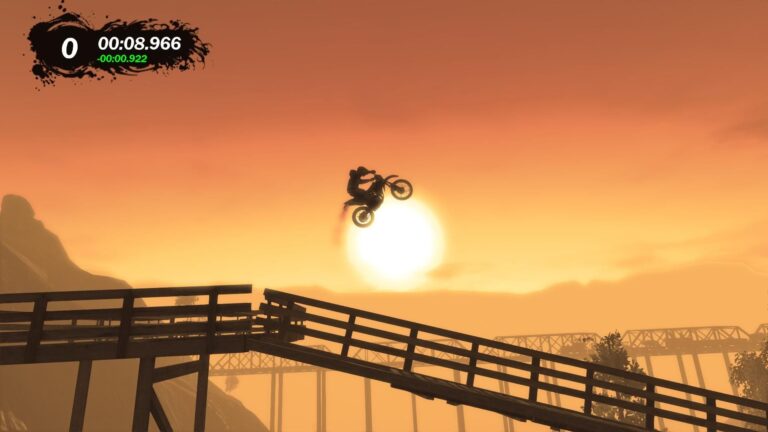
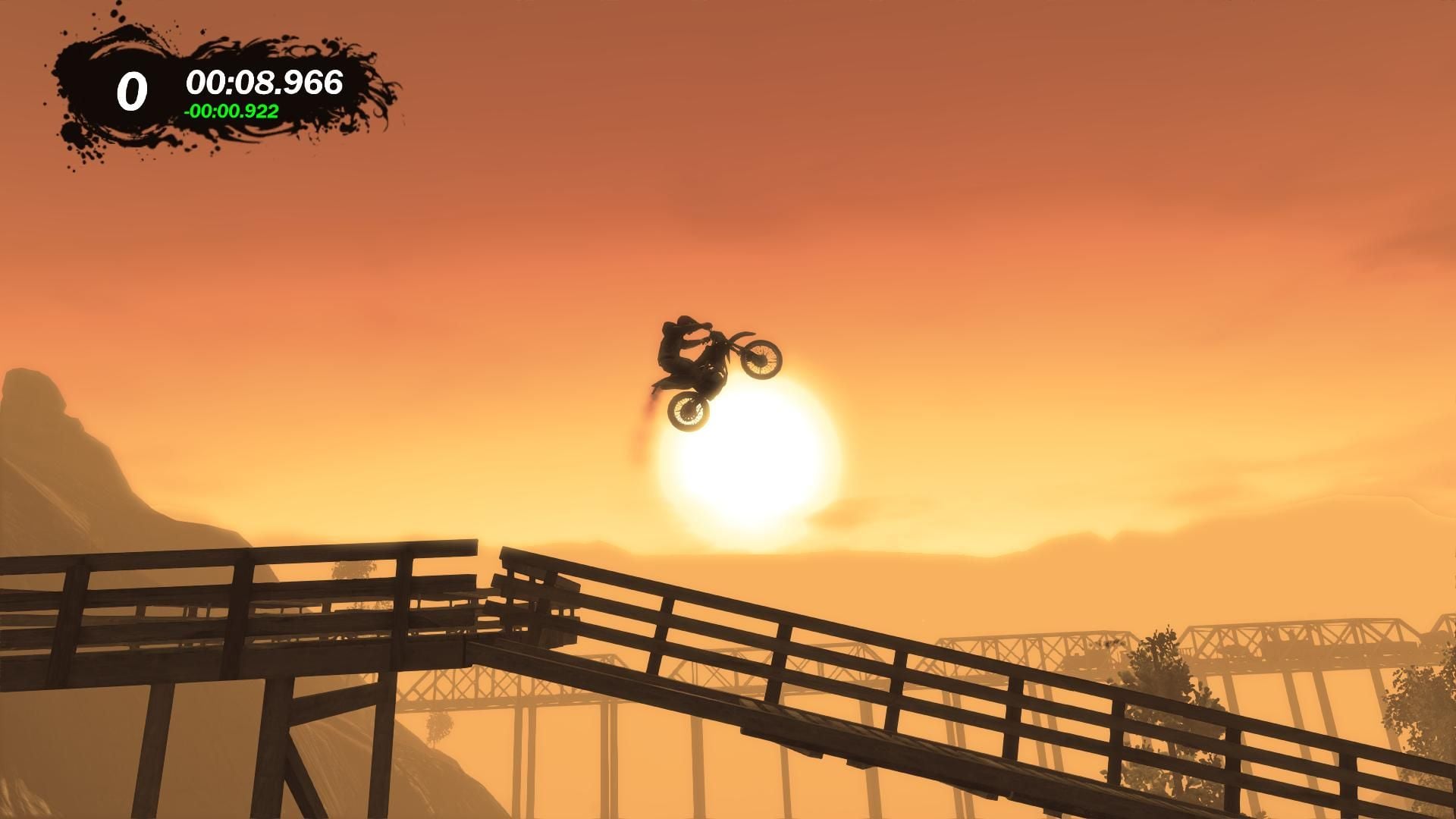
Ubisoft has formally announced plans to close Ubisoft RedLynx, the Finnish studio best known for creating the Trials franchise of motorcycle stunt games. According to reporting from GI.biz, the publisher will also downsize Ubisoft Singapore, eliminating 70 positions at that facility. These closures represent the latest phase in Ubisoft’s ongoing global restructuring, which has been fragmenting its worldwide development network throughout 2026.
The closure of RedLynx carries particular weight given the studio’s 25-year history and its status as a pillar of Ubisoft’s mid-tier IP portfolio. Ubisoft acquired RedLynx in 2011, and the studio has remained the primary custodian of the Trials brand ever since. The studio currently employs 52 staff members, all of whom face termination if the closure proceeds.
The Trials Series at Risk
Seven Years Without a New Release
The franchise has not received a new mainline entry since its last major release seven years ago. During that interval, RedLynx’s efforts shifted significantly. The studio contributed to Massive Entertainment’s port of The Division 2 to Google’s Stadia streaming platform in 2020. In 2023, RedLynx released Gwen’s Getaway, a free-to-play match-3 mobile game that was discontinued after approximately one year without reaching a finished state.
Ubisoft’s stated rationale for the closure centers on the studio’s current lack of a project in active development and the belief that “resizing alone wouldn’t keep it sustainable,” according to VGC. This reasoning raises questions about the studio’s actual project roster. A year prior, Ubisoft had publicly claimed that RedLynx was developing two unannounced titles, and the gap between that assertion and the current closure proposal suggests circumstances may have shifted significantly or that transparency was limited.
The Mobile Gaming Strategy
The 2025 restructuring already forced RedLynx to pivot dramatically. At that time, Ubisoft laid off more than half the studio’s workforce and announced that the remaining team would focus exclusively on mobile game development. Given that the Trials formula translates well to touchscreen controls, a mobile entry in the series would represent a natural evolution. However, the previous attempt to bring Trials to iOS and Android in 2014 with Trials Frontier underperformed, creating hesitation around the format.
The franchise’s absence from console and PC markets for seven years, combined with technological advances in mobile hardware since 2014, might have opened an opportunity for a new mobile Trials experience. That strategic avenue now appears foreclosed by the studio’s closure.
Finnish Labor Law Creates Procedural Complications
Why Ubisoft Used the Word “Proposal”
Ubisoft’s use of the word “proposal” in its announcement is not casual language but a legal necessity. Finland’s employment regulations, specifically statutes governing “change negotiations” or “co-operation negotiations,” mandate that employers consult employees before implementing layoffs or major organizational changes. Critically, these negotiations must begin before a final decision is made, not after, requiring actions to be “anticipatory” in nature.
By framing the closure as a proposal rather than a done decision, Ubisoft complies with this legal framework. The formal consultation process with RedLynx staff and their representatives must now occur before any layoffs become final, distinguishing Finland’s approach from jurisdictions where companies announce closures with minimal notice.
A Studio Already in Decline
The 2025 Layoffs
RedLynx’s position deteriorated sharply in 2025, when Ubisoft eliminated more than half of the studio’s positions. That initial downsizing reset the studio’s scale and refocused its mandate toward mobile platforms. The current closure proposal suggests that even this dramatically reduced footprint could not sustain the studio’s viability. The studio’s inability to secure new projects following the 2025 restructuring indicates that the pivot to mobile gaming did not produce the development pipeline Ubisoft had apparently hoped for.
Recent Output and Projects
The output from RedLynx between 2020 and 2023 did not generate sufficient commercial momentum to justify the studio’s continued operation in Ubisoft’s current financial climate. Stadia’s failure as a platform meant the Division 2 port served a declining user base. Gwen’s Getaway’s short lifespan and incomplete state suggest resource constraints or a lack of commercial viability. Neither project positioned the studio for independent success or produced the kind of resonance with players that could anchor a pitch for future funding.
Singapore Downsizing After Skull and Bones
The Skull and Bones Aftermath
Ubisoft Singapore is experiencing a significant contraction, with 70 positions eliminated “to align the studio with upcoming production needs,” according to GI.biz. This represents a direct consequence of the studio’s extended involvement with Skull and Bones, the naval combat game that consumed over a decade of development. The project was born from Ubisoft’s effort to expand Assassin’s Creed’s naval combat sequences into a standalone game, but the 11-year development cycle produced a title that received negative reviews upon release and failed to generate significant sales.
The financial toll of that project was staggering. Skull and Bones represented a $200 million loss for the publisher, making it among the most expensive commercial failures in Ubisoft’s recent history. The studio’s downsizing is a direct readjustment following the project’s underperformance.
Black Flag Resynced’s Success Wasn’t Enough
Following Skull and Bones’ failure, Ubisoft Singapore led development on Assassin’s Creed Black Flag Resynced, a remaster of the 2013 naval adventure that sold more than 3.5 million copies in its first two weeks. The remaster’s success demonstrated that the studio possessed the capability to deliver commercially viable products when properly resourced and directed. However, that success has not provided sufficient buffer to protect the studio from the broader restructuring. The 70-position reduction indicates that even a multi-million-copy seller was insufficient to insulate Singapore from Ubisoft’s cost-cutting imperatives.
Ubisoft’s Broader Collapse
Five Years of Decline
Ubisoft’s share price trajectory over the past five years reveals the depth of the company’s strategic crisis. The stock traded at approximately 84 euros per share in 2021, marking the beginning of a sustained decline. By March 2026, the share price had crashed to 3.84 euros, representing a 95 percent collapse from its 2018 peak of 100 euros per share. As of the announcement, the stock hovers near 5 euros, with no apparent recovery trajectory.
This financial deterioration has concentrated pressure on studio operations worldwide. Repeated rounds of layoffs and studio closures are not standalone decisions but components of a broader restructuring intended to reduce operating costs and realign the company’s portfolio. RedLynx and the Singapore downsizing are manifestations of this companywide contraction.
The Restructuring Continues
Ubisoft’s 2026 has been marked by a series of studio closures and layoffs framed as a reorganization of development teams into “creative houses.” This euphemism obscures what has been a sustained contraction of the company’s global workforce. The closures of RedLynx and the downsizing of Singapore represent two more data points in a pattern that shows no signs of reversal.
The question of whether RedLynx’s closure signals the permanent end of the Trials franchise remains unanswered. Ubisoft has not provided clarity on the IP’s future, and the studio’s dissolution removes the primary institutional knowledge and personnel associated with the series. Without RedLynx, any future Trials project would require rebuilding the team and design expertise that has been cultivated over two decades. Whether Ubisoft will invest those resources remains uncertain.
Source: Kotaku
Frequently Asked Questions
Why is Ubisoft calling this a 'proposal' rather than a final decision?
Finland's employment laws require employers to enter 'change negotiations' with employees before implementing major layoffs or organizational changes. By calling it a proposal, Ubisoft must legally consult with RedLynx staff before finalizing the closure.
What happened to RedLynx since Trials' last release?
RedLynx was hit by major layoffs in 2025 that eliminated more than half its workforce. The studio then pivoted to mobile games exclusively, releasing Gwen's Getaway in 2023, which was discontinued after a year without reaching completion. The studio also assisted Massive Entertainment with porting The Division 2 to Stadia in 2020.
How did Skull and Bones contribute to Singapore's downsizing?
Skull and Bones cost Ubisoft 200 million dollars and took 11 years to develop, ultimately receiving negative reviews and poor sales. The Singapore studio's involvement in that failed project is directly connected to the current 70-position reduction announced to realign the studio with new production needs.
