
Key takeaways
- The gaming press delivered a swift verdict. Metacritic scores across platforms reflected the game’s reception: PC scored 63/100, PlayStation 5 scored 60/100, and Xbox Series X/S scored 61/100.
- The financial catastrophe triggered immediate consequences for Rocksteady Studios.
- Recognizing the game’s unsustainability in its current form, Rocksteady announced a final season launching in January 2025, paired with an offline mode releasing December 10, 2024.
- Suicide Squad: Kill the Justice League joins a growing list of high-profile live-service failures that have cost publishers hundreds of millions in losses.
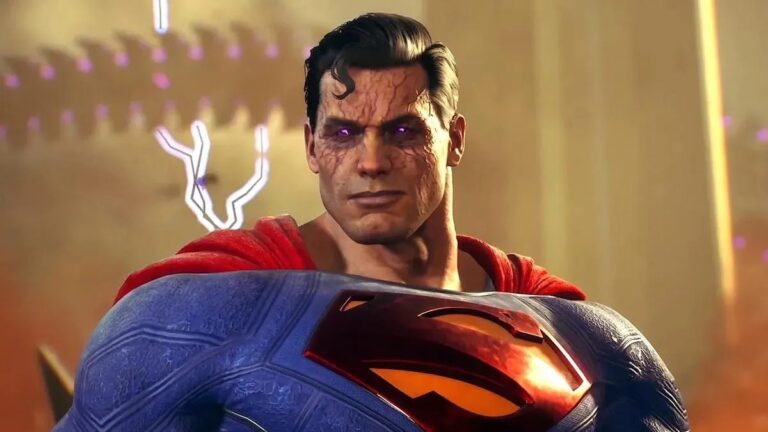
Warner Bros. Games disclosed a $200 million loss tied to Suicide Squad: Kill the Justice League during its May 2024 earnings call, making it one of the biggest video-game flops in recent history. Developed by Rocksteady Studios and released on February 2, 2024, for PlayStation 5, Xbox Series X/S, and PC, the action-adventure shooter has become a cautionary tale about misaligned development cultures and genre pivots gone wrong. Now, anonymous developers from the studio are speaking candidly about the internal dysfunction that led to the game’s commercial and critical collapse.
A Culture of Toxic Positivity and Shifting Visions
A Bloomberg report from June 2024 detailed interviews with nearly 20 anonymous Rocksteady developers, revealing a workplace culture plagued by “toxic positivity,” constantly shifting creative visions, and rigid perfectionism. One developer quoted in the report articulated the core frustration: “I started feeling like I wasn’t making games anymore, I was following a spreadsheet.” This sentiment captures the disconnect between creative ambition and the mechanical constraints imposed by live-service development demands.
The development process saw massive portions of work discarded due to vision changes, with developers spending months on content that ultimately never shipped. Multiple team members reported that the constant iteration and rework eroded morale, transforming what should have been a collaborative creative process into a data-management exercise focused on retention metrics and monetization targets rather than compelling gameplay or narrative.
The Live-Service Gamble That Backfired
Rocksteady Studios made a critical strategic decision to pivot Suicide Squad from its original single-player concept into a live-service multiplayer loot shooter, a genre fundamentally misaligned with the studio’s core expertise. The studio had built its reputation on narrative-driven single-player experiences like the Batman: Arkham series, particularly the acclaimed Arkham Knight released in 2015. This genre shift forced developers to operate outside their wheelhouse while simultaneously adopting unfamiliar development methodologies and organizational structures.
The scale of the game’s world underscores the resource commitment: Metropolis in Suicide Squad is twice the size of Gotham City in Arkham Knight. Despite this expanded geography, players consistently criticized the experience for repetitive gameplay loops and a narrative that failed to justify the massive environments, suggesting that size alone could not compensate for fundamental design misalignment.
Critical and Commercial Rejection
The gaming press delivered a swift verdict. Metacritic scores across platforms reflected the game’s reception: PC scored 63/100, PlayStation 5 scored 60/100, and Xbox Series X/S scored 61/100. Only 17% of reviews were positive, with 56% classified as mixed—a dramatic 30-point gap below Arkham Knight’s Metacritic score of 87. This critical rejection signaled to potential players that the game failed to meet expectations set by Rocksteady’s previous work.
Player adoption numbers tell an even starker story. The game peaked at approximately 13,000 concurrent players at launch, a modest figure for a major AAA release. More troublingly, current 24-hour player counts have collapsed to low triple digits, with daily player populations dwindling to double digits. The live-service model, designed to retain and monetize players over months or years, proved entirely unsustainable at this scale.
Organizational Consequences and Industry Reverberations
The financial catastrophe triggered immediate consequences for Rocksteady Studios. The studio implemented layoffs in the aftermath of the game’s failure, reflecting both the direct financial strain and the broader industry trend of downsizing following major live-service disasters. These cuts represent real human cost alongside the corporate losses.
The Suicide Squad failure has reinforced skepticism about live-service models among industry observers and players alike. Publishers continue to chase live-service revenue models despite mounting evidence that not every studio, franchise, or genre suits this approach. Rocksteady’s experience demonstrates that established expertise in one development paradigm does not automatically transfer to another, and that organizational culture and developer morale directly impact final product quality.
A Shift Toward Preservation Rather Than Growth
Recognizing the game’s unsustainability in its current form, Rocksteady announced a final season launching in January 2025, paired with an offline mode releasing December 10, 2024. This pivot signals the end of live-service support and represents a strategic retreat toward preserving the game as a single-player experience—essentially returning to the original concept that was abandoned years earlier in development.
The offline mode addition suggests Rocksteady is prioritizing game preservation and player accessibility over continued monetization efforts. This decision implicitly acknowledges that the live-service experiment failed and that offering players a way to experience the game independently of online infrastructure represents the most honest path forward.
Historical Context: When Ambition Exceeds Execution
Suicide Squad: Kill the Justice League joins a growing list of high-profile live-service failures that have cost publishers hundreds of millions in losses. The $200 million figure places it among the most expensive video-game failures on record, comparable to other notorious industry disasters. These collapses reveal a pattern: publishers betting heavily on live-service models without sufficient alignment between studio capability, genre fit, and franchise identity.
Rocksteady’s nine-year gap since Arkham Knight represented an extended development cycle marked by internal restructuring, vision changes, and the adoption of unfamiliar technologies and methodologies. The extended timeline, rather than producing a more polished product, instead created organizational friction and developer burnout that ultimately manifested in the final product’s quality and reception.
What Comes Next for Live-Service Strategy
The Suicide Squad case study will likely influence how major publishers approach live-service adaptations of established franchises moving forward. Stakeholders across the industry are reassessing whether every successful single-player franchise has a viable live-service component, or whether such pivots represent unnecessary risk.
For Rocksteady Studios specifically, the path forward remains uncertain. The studio’s next project, whenever it materializes, will occur under intense scrutiny regarding genre selection and development methodology. The developer quotes revealing the disconnect between creative work and spreadsheet management will resonate throughout the industry as a reminder that process, culture, and strategic alignment matter as much as budget and ambition. The Suicide Squad experience has become a definitive lesson in how misaligned vision, organizational dysfunction, and genre mismatch can transform substantial resources into spectacular failure.
