
Key takeaways
- In the late 1990s, Microsoft recognized that gaming represented a lucrative market segment that extended beyond personal computers.
- Microsoft’s strategy extended beyond selling individual consoles and games; the company constructed a comprehensive ecosystem designed to keep players engaged across multiple products and services.
- As digital distribution technology matured, Microsoft increasingly emphasized subscription services rather than hardware sales alone as its primary revenue model.
- What is the difference between Xbox Game Pass and Xbox Live Gold?
Microsoft’s entry into the video game industry marked a pivotal shift in how computing companies approached interactive entertainment, transforming gaming from a niche hobby into a mainstream cultural force. The Xbox brand has evolved from an ambitious console launch in 2001 to a multi-platform ecosystem that competes with industry titans Sony and Nintendo. Understanding Xbox’s history reveals how corporate strategy, technological innovation, and exclusive content shape the modern gaming landscape.
The Original Vision: Microsoft Enters Console Gaming
In the late 1990s, Microsoft recognized that gaming represented a lucrative market segment that extended beyond personal computers. The company assembled a team to develop a dedicated gaming console that would leverage its existing strengths in software development and DirectX technology—a set of application programming interfaces (APIs) that developers use to create graphics and sound in games. Rather than building hardware from scratch, Microsoft partnered with Intel and Nvidia to use x86 processor architecture, the same foundation powering personal computers, which allowed developers already familiar with PC development to transition more easily to console game creation.
The original Xbox launched in North America on November 15, 2001, featuring a 733 MHz processor, 64 MB of RAM, and a built-in hard drive—a feature that distinguished it from competitors. The console’s launch lineup included titles such as Halo: Combat Evolved, a first-person shooter developed by Bungie that became the system’s defining franchise and sold over 5 million copies worldwide during the Xbox’s lifecycle.
Building the Ecosystem: Hardware, Software, and Services
Microsoft’s strategy extended beyond selling individual consoles and games; the company constructed a comprehensive ecosystem designed to keep players engaged across multiple products and services. Xbox Live, launched in 2002, introduced online multiplayer gaming to console players through a centralized subscription service that required players to pay a monthly fee for online connectivity, a model that contrasted with the free online play available on PC gaming. This service unified player profiles, achievements, and social features under a single account system that could extend across multiple Xbox devices.
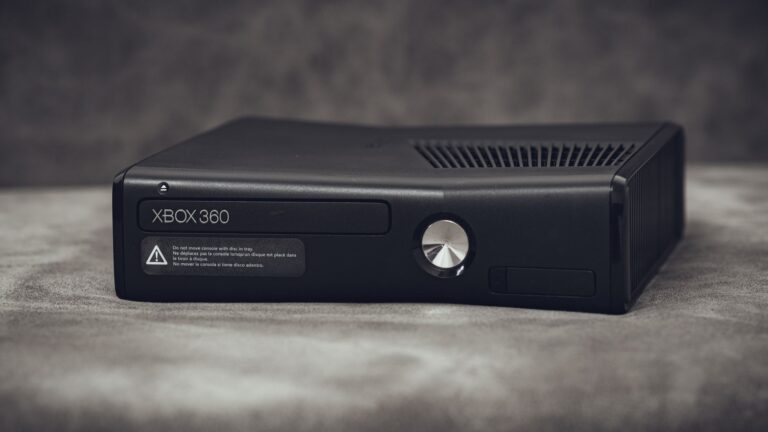
The Xbox 360, released in 2005, exemplified this ecosystem approach by featuring integrated online services, wireless controllers, and a marketplace for downloadable content. The system achieved significant market penetration, eventually selling over 84 million units worldwide and establishing franchises like Gears of War, developed by Epic Games, which became synonymous with the console’s identity through its third-person shooter gameplay and visceral combat mechanics.
The Shift Toward Services and Subscription Models
As digital distribution technology matured, Microsoft increasingly emphasized subscription services rather than hardware sales alone as its primary revenue model. Xbox Game Pass, launched in 2017, provides subscribers access to a rotating library of games for a monthly fee, fundamentally changing how players acquire and experience games. This model mirrors subscription services in music and film industries, where consumers gain access to vast content libraries rather than purchasing individual titles.
The company integrated Game Pass with Xbox Live Gold, its online multiplayer service, and extended the subscription to personal computers and mobile devices through cloud gaming technology—a system that streams games from remote servers to local devices rather than requiring players to download and run them locally. This expansion transformed Xbox from a hardware manufacturer into a platform-agnostic service provider, allowing players to access the same games and progress across multiple devices.
Console Generations and Market Competition
Microsoft released the Xbox One in 2013 as its eighth-generation console, though the system faced initial skepticism due to its focus on television integration, always-online requirements, and higher price point compared to the PlayStation 4. The company adjusted its strategy following consumer feedback, removing mandatory online connectivity requirements and reducing the price, which helped stabilize market position but did not match PlayStation 4’s sales momentum of over 117 million units.
The Xbox Series X and Series S, launched in 2020, represented a return to performance-focused messaging, with the Series X marketed as delivering 12 teraflops of graphical processing power—a measurement of computational speed for graphics rendering—and targeting 4K resolution gaming at 120 frames per second. These consoles incorporated backward compatibility with previous Xbox titles, allowing players to run games from the original Xbox through the Xbox One generation on newer hardware, a practice that became increasingly rare in the industry.
Frequently Asked Questions
What is the difference between Xbox Game Pass and Xbox Live Gold?
Xbox Live Gold is a subscription service that provides online multiplayer functionality and monthly free games, while Xbox Game Pass is a separate subscription offering access to a library of hundreds of games. Players can subscribe to either service independently, though Microsoft bundles both into Xbox Game Pass Ultimate for players seeking comprehensive access.
Can I play Xbox games on my personal computer?
Yes, Microsoft has released many Xbox exclusive titles on Windows PC through services like Xbox Game Pass for PC and the Microsoft Store. Additionally, cloud gaming through Xbox Game Pass Ultimate allows players to stream Xbox games to compatible devices including PCs, tablets, and smartphones.
Why does Xbox emphasize backward compatibility?
Backward compatibility—the ability to play games from previous console generations—provides value to players with existing game libraries and reduces barriers to upgrading hardware. This strategy differentiates Xbox from competitors and builds customer loyalty by preserving player investments in software.
Microsoft’s Xbox journey demonstrates how a technology company can establish itself in gaming through strategic partnerships, ecosystem development, and willingness to evolve business models in response to market conditions. The brand’s progression from a single console to a multi-platform service reflects broader industry trends toward subscription-based access, cloud technology, and cross-device integration.
