
Key takeaways
- PlayStation Network experienced catastrophic failures during two separate incidents in 2026, leaving tens of thousands of gamers unable to access core services.
- PlayStation Plus subscribers face diminishing returns on their investment as Sony removes content from the service while simultaneously raising prices.
- Beyond technical failures and pricing decisions, PlayStation faces severe criticism for customer service quality.
- The current backlash against PlayStation represents an accumulation of policy changes and service failures rather than a single catastrophic event.
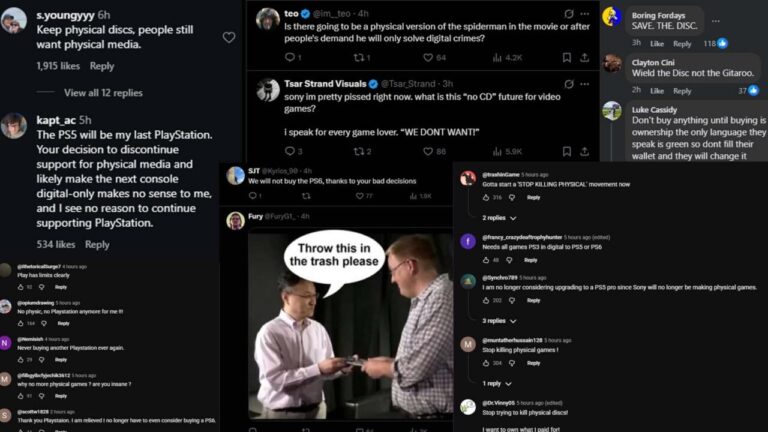
Sony’s PlayStation division faces a sustained wave of criticism across social media platforms as the company implements price increases, manages multiple network outages, and introduces controversial digital rights management policies that have alienated its player base. The backlash encompasses everything from subscription fee hikes to service failures and deteriorating customer support, creating a perfect storm of negative sentiment that shows no signs of abating. Gamers worldwide are publicly expressing their frustration with what they perceive as Sony prioritizing profit margins over player experience.
The Price Hike That Sparked a Firestorm
Sony announced on May 20, 2026, that PlayStation Plus subscription rates would increase across multiple tiers, raising the Essential tier—required for online multiplayer—from $9.99 to $10.99 for one-month subscriptions and from $24.99 to $27.99 for three-month plans. This marks the latest in a series of price increases that have extended beyond the subscription service itself. The PS5 console rose to $649.99, and the PS Portal handheld device reached $249.99, prompting accusations from the gaming community that Sony is “steadily increasing prices while offering limited value.”
The company justified the increase by citing “ongoing market conditions,” a response that failed to quell the controversy. Social media erupted with complaints that Sony continues to raise prices without demonstrating corresponding improvements in service quality or subscription value. The timing proved particularly damaging, arriving amid multiple network failures and service disruptions that had already eroded player confidence in the platform’s reliability.
Network Failures and Service Disruptions
PlayStation Network experienced catastrophic failures during two separate incidents in 2026, leaving tens of thousands of gamers unable to access core services. The first major outage struck on March 21–22, 2026, when PSN went offline late Friday, affecting account management, gaming and social services, the PS Store, and PS Video. Sony confirmed the widespread nature of the outage before services returned to operational status by March 22, though not before generating significant player frustration.
A second critical failure occurred on June 16, 2026, when PSN services went partially down at 8:30pm BST following a bizarre PS Store glitch that affected multiplayer and other essential features. Sony confirmed this was a server issue rather than a hardware problem, but the outage remained unresolved at the time of initial reporting. These back-to-back failures undermined player trust at precisely the moment Sony was asking them to pay more for the privilege of accessing these services.
Controversial DRM Implementation and Player Backlash
In March 2026, Sony implemented a new 30-day online license validation requirement for digital games purchased after that date, meaning consoles must connect online within 30 days or face lockout from launching newly purchased titles. PlayStation support explicitly confirmed this policy was intentional, not a glitch, and clarified that the requirement does not affect existing game libraries or bypass primary console settings. The move immediately triggered accusations of aggressive digital rights management that contradicted player expectations around ownership of purchased content.
Sony attempted to address the backlash on April 30, 2026, by clarifying that “players can continue to access and play their purchased games as usual” and that “a one-time online check is required to confirm the game’s license, after which no further check-ins are required.” Despite the clarification, the policy remains controversial within the community, which views it as an unnecessary restriction on offline play and consumer rights. The implementation arrived during the same period as price increases and service outages, compounding player frustration with Sony’s overall direction.
Declining Subscription Value Amid Content Losses
PlayStation Plus subscribers face diminishing returns on their investment as Sony removes content from the service while simultaneously raising prices. The platform lost at least 12 titles in July 2026, including a popular roguelike and a simulation game, adding tangible weight to complaints that the subscription service offers decreasing value. This content rotation directly contradicts Sony’s justification for the price increase, creating a narrative where players pay more while receiving less.
The removal of games coincides with competitor services like Xbox Game Pass maintaining stronger libraries and Microsoft’s continued investment in day-one game availability. For PlayStation subscribers already frustrated by price hikes and service failures, the loss of titles from the catalog feels like a final insult—proof that Sony views the subscription service as a revenue stream rather than a value proposition.
Customer Service Failures Amplify Frustration
Beyond technical failures and pricing decisions, PlayStation faces severe criticism for customer service quality. Users report being hung up on after waiting 30 minutes for refunds, encountering no availability of live agents, and experiencing what some describe as the “worst customer service experience of their life.” Trustpilot reviews and Reddit threads paint a consistent picture of players unable to reach meaningful support when issues arise with their accounts or purchases.
The customer service collapse occurs precisely when players need assistance most—dealing with account lockouts from the new DRM policy, network outages preventing access to purchased games, and subscription billing disputes following price increases. This combination of technical problems and inaccessible support creates a compounding crisis of player confidence in Sony’s ability or willingness to serve its audience effectively.
A Pattern of Escalating Changes
The current backlash against PlayStation represents an accumulation of policy changes and service failures rather than a single catastrophic event. Beginning with the PS5 price increase and continuing through the PS Portal launch at premium pricing, Sony established a pattern of raising consumer costs. The addition of network outages, DRM restrictions, and subscription service degradation transformed player skepticism into active hostility across social platforms.
Sony’s announcement in September 2026 that it would phase out the “PlayStation Network” and “PSN” branding in favor of a unified visual identity felt tone-deaf to many observers. While the company emphasized that core features like friends, multiplayer, and trophies would remain unaffected, the rebranding struck players as cosmetic window-dressing on a service experiencing fundamental operational and trust failures.
Critical Dates and Developments to Monitor
The release of Grand Theft Auto 6 on November 19, 2026, will serve as a major test of PlayStation’s relationship with its player base. Rockstar has made no official statement about potential delays, but retailers have reportedly boycotted pre-orders amid mass backlash against Sony, suggesting that even flagship releases cannot overcome the current sentiment crisis. This moment will reveal whether player frustration translates into reduced software sales or whether the allure of major releases supersedes service and pricing concerns.
The ongoing implementation of the new DRM policy, combined with continued network stability monitoring and any further subscription changes, will determine whether Sony’s relationship with its community stabilizes or deteriorates further. The gaming giant’s response to these converging crises—price increases, service failures, controversial policies, and customer service collapse—will define PlayStation’s competitive position heading into the next hardware generation.
