
Key takeaways
- *The Gravedigger* strips away the traditional monster-hunting framework that defines most survival horror titles.
- The grave-robbing horror subgenre has emerged as a significant market trend, with multiple titles now exploring the intersection of treasure hunting and supernatural consequences.
- Horror publishers are actively expanding their rosters with titles designed to disturb and unsettle.
- The evolution of horror game design traces back to titles like *The Evil Within* (2014), directed by Shinji Mikami, the creator of *Resident Evil*.
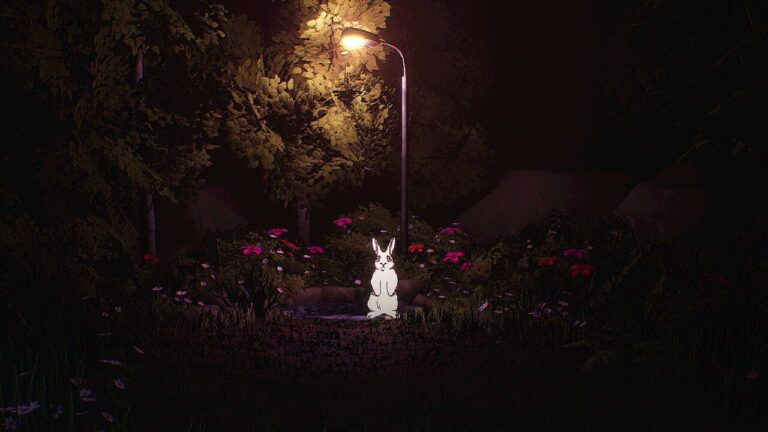
Tripwire Interactive is releasing *The Gravedigger* on July 24, 2025, a survival horror game that tasks players with excavating graves at a local church to loot valuables and stop escalating demonic activity. The game represents a sharp turn in horror design—forcing players into the morally ambiguous role of grave robber while supernatural forces close in around them. This premise sits at the intersection of treasure hunting and existential dread, creating a gameplay loop where every shovelful of dirt carries genuine consequences.
A New Breed of Horror Built on Moral Compromise
*The Gravedigger* strips away the traditional monster-hunting framework that defines most survival horror titles. Instead, the game creates tension through player choice: dig deeper into cursed ground to find valuable artifacts, or abandon the search and live another night. The core mechanic forces players to balance greed against survival, with each decision carrying weight as demonic corruption spreads across the cemetery grounds.
The gameplay loop revolves around nightly expeditions where players must return burnt bones to an altar to suppress the rising supernatural threat. Tripwire Interactive, the studio behind *Killing Floor* and *Grisaia*, designed the experience to maximize psychological pressure. The more valuable the loot discovered in the graves, the longer players must remain exposed to danger—creating a feedback loop where ambition becomes a liability.
Why Grave Robbing Became Horror’s Latest Obsession
The grave-robbing horror subgenre has emerged as a significant market trend, with multiple titles now exploring the intersection of treasure hunting and supernatural consequences. This shift reflects a broader design philosophy: horror becomes most effective when players have something to lose. Game developers working in the space recognize that fear intensifies proportionally to stakes. As design experts note, “The more you have to lose, the more you are afraid. What is the cost of dying? If I fear death, then I fear every encounter I have.”
*The Gravedigger* isn’t the only entry capitalizing on this trend. *Dig, Dig, Die* offers a co-operative alternative where up to six players act as pirates robbing cursed crypts and coffins for treasure while fighting monsters. The multiplayer angle adds social pressure to the horror experience—teammates can encourage riskier behavior or force difficult decisions about resource allocation. These games prove that the grave-robbing premise resonates with audiences seeking horror that challenges moral intuition alongside survival instinct.
The Industry’s Appetite for Unsettling New Experiences
Horror publishers are actively expanding their rosters with titles designed to disturb and unsettle. Indie horror label DreadXP has built momentum in the market with releases like *Goosebumps: Terror in Little Creek* scheduled for August 29, 2026, and *Creepshow* launching October 22, 2026 on Steam. This publishing activity signals that horror remains a lucrative and creatively vital genre for independent developers and established studios alike.
The timing of *The Gravedigger’s* July 2025 release positions it ahead of major horror launches expected later that year, including *Little Nightmares 3* in September. This strategic window allows Tripwire Interactive to capture audience attention before the autumn horror deluge. The marketplace clearly supports multiple horror experiences simultaneously, suggesting that grave-robbing mechanics have traction beyond novelty appeal.
How Modern Horror Learned to Make Fear Personal
The evolution of horror game design traces back to titles like *The Evil Within* (2014), directed by Shinji Mikami, the creator of *Resident Evil*. Mikami’s work established that distorted worlds populated by nightmarish creatures generate sustained dread when players understand the cost of exploration. *The Evil Within* pioneered the “corrupted landscape” aesthetic that modern grave-digging horror now employs through demonic activity and spreading corruption mechanics.
This lineage matters because *The Gravedigger* doesn’t invent fear from scratch—it refines decades of horror game design into a focused experience. The game acknowledges that humans fear other humans most, but it extends that principle: we fear the consequences of our own choices even more. By making players complicit in grave desecration, the game creates internal conflict alongside external threats.
What Comes Next for Grave-Robbing Horror
The release of *The Gravedigger* on July 24, 2025, will serve as a commercial test case for how mainstream audiences respond to morally compromised protagonists in survival horror contexts. Success here could accelerate development of similar titles exploring taboo activities—grave robbing, tomb raiding, artifact theft—as core gameplay mechanics rather than narrative flavor.
Developers are also watching atmospheric survival horror experiments like *Buried Below*, launching in Summer 2026 on itch.io, which explores “burying” premises through indie development channels. These free-to-play and early-access titles often influence larger studio projects, creating a pipeline of innovation from experimental indie spaces into commercial releases. *The Gravedigger* represents the moment when grave-robbing horror transitions from niche YouTube content into published commercial software, signaling industry confidence in the subgenre’s staying power.
